Few woods carry the patina and weight of history quite like salvaged Southeast Asian teak. Reclaimed teak flooring is milled from old beams, barns, colonial buildings, and decommissioned ships, giving you boards that were dried and seasoned over decades before they ever reached your home. That long life means tighter grain, more natural oil, and a stability that fresh-cut lumber rarely matches. It is not cheap, and it is not for every room, but for the right project it delivers warmth and durability that newer products cannot fake.
- What Makes Reclaimed Teak Different
- The Character You Are Paying For
- Pros of Reclaimed Teak Flooring
- Cons and Honest Trade-Offs
- Sustainability and Sourcing
- Grades and What to Look For
- Installation and Finishing
- Where Reclaimed Teak Works Best
- Verifying Provenance With a Dealer
- Care, Cost, and Is It Worth It
What Makes Reclaimed Teak Different
Teak earned its reputation in shipbuilding for one reason: it shrugs off water and rot. The wood is packed with natural silica and oils that repel moisture and discourage insects. When that wood has already spent 50 to 100 years in service, the cells have stabilized, so the flooring moves far less with humidity swings than kiln-dried new teak.
Old-growth teak also tends to be denser than the plantation teak sold today. You will notice the difference the moment you pick up a board. The Janka hardness of mature teak lands around 1,000 to 1,070, which is comfortably harder than walnut and on par with many domestic oaks, while the older heartwood often tests even tougher.
The Character You Are Paying For
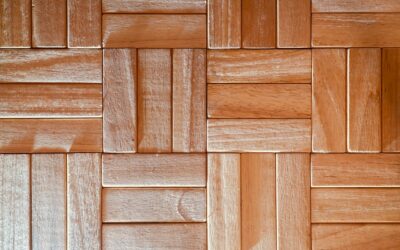
Reclaimed boards are valued for their imperfections, not in spite of them. Expect nail holes, bolt marks, weathered surfaces, saw-kerf lines, and a color range from honey-amber to deep chocolate-brown. No two boards look alike. Designers love this because the floor reads as authentic from day one rather than aging into character over decades.
If you want a cleaner look, ask the supplier whether the boards are surface-planed or left with their original “skin.” Planing removes the gray weathered face and exposes fresh, golden teak underneath, but it also erases some of the salvaged story. Many buyers choose a light skim that keeps marks while smoothing the walking surface.
Pros of Reclaimed Teak Flooring
- Exceptional stability — decades of seasoning means minimal cupping, gapping, or shrinkage.
- Natural water and rot resistance from the wood’s own oils and silica.
- Genuine, one-of-a-kind character that new flooring cannot replicate.
- Strong environmental story — no new old-growth trees are felled, and you keep usable timber out of landfills.
- Hard-wearing surface suitable for busy living spaces and entryways.
Cons and Honest Trade-Offs
Price is the headline drawback. Reclaimed teak commonly runs $12 to $25 per square foot for the material alone, and rare wide-plank or ship-deck grades climb higher. Supply is inconsistent, so matching a future repair batch can be difficult, which is why ordering 10 to 15 percent extra is smart.
Reclaimed material also demands more vetting. Old boards may contain hidden fasteners, so installers should use a metal detector before running them through a planer or saw. Verify that the wood has been kiln-dried after salvage to kill pests and bring moisture content to the 6 to 9 percent range typical of US interiors.
Sustainability and Sourcing
New teak carries serious environmental baggage, and old-growth Burmese teak is tied to logging in conflict zones. Buying reclaimed sidesteps that problem because the timber was harvested generations ago. Even so, do your homework. Ask the seller exactly where the wood came from — demolished structures, retired vessels, or old plantations — and request documentation if the origin matters to you.
Reputable dealers should be able to describe the salvage source and explain their drying and milling process. Vague answers about “imported reclaimed wood” are a red flag. A trustworthy supplier treats provenance as part of the value, not an afterthought.
Grades and What to Look For
Reclaimed teak is usually sorted by appearance and board width rather than the strict grading systems used for new hardwood. When you shop, weigh these factors:
- Board width — wide planks (5 inches and up) cost more and show more figure.
- Surface treatment — original face, hand-scraped, or planed smooth.
- Moisture content — confirm it has been re-dried to interior specs.
- Milling format — solid tongue-and-groove versus engineered with a teak wear layer.
Engineered reclaimed teak deserves a serious look. A thin reclaimed wear layer over a plywood core stretches scarce material further, improves stability over concrete or radiant heat, and lowers cost per square foot without abandoning the reclaimed look.
Installation and Finishing
Because teak is so oily, finishing requires care. The natural oils can interfere with water-based and some oil-based topcoats, so the surface usually needs wiping with acetone or a manufacturer-approved solvent right before sealing. Many homeowners skip film finishes entirely and use a penetrating hardwax oil, which lets the wood breathe and is easy to spot-repair.
Acclimate the boards in the installation room for at least one to two weeks, monitoring moisture with a meter. Reclaimed material is more stable than new teak but still needs to settle into your home’s humidity. Nail-down installation suits solid boards over a wood subfloor, while engineered versions can be glued or floated over concrete.
Where Reclaimed Teak Works Best
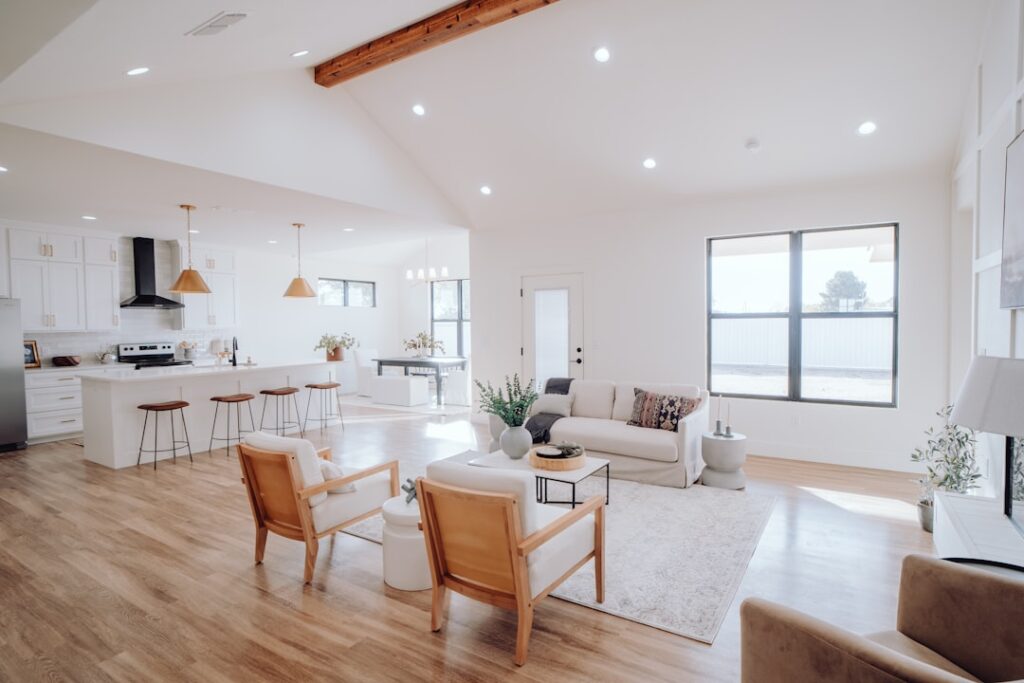
Thanks to its water resistance and durability, reclaimed teak suits rooms that punish ordinary hardwood. It performs beautifully in kitchens, entryways, and high-traffic living areas where its density and natural oils help it shrug off moisture and wear. Many homeowners also choose it for sunrooms and covered porches, since teak’s marine pedigree means it tolerates humidity swings better than most species.
It is less ideal for rooms with extreme moisture or standing water, like full bathrooms and unsealed basements, where no solid wood floor truly belongs. In those spaces, an engineered reclaimed teak product over a moisture barrier is the safer route. Think of solid reclaimed teak as a premium choice for dry-to-moderate interior conditions, where its character and toughness pay off every day.
Verifying Provenance With a Dealer
Because the reclaimed market includes both genuine salvage and mislabeled new wood, buying from a transparent, established dealer is your best protection. Ask to see photos of the salvage source, request kiln-drying records, and confirm the moisture content with a meter reading. A reputable seller will gladly walk you through where the boards came from and how they were processed, treating that story as part of the floor’s value rather than a sales hurdle to dodge.
Care, Cost, and Is It Worth It
Maintenance is straightforward: sweep regularly, damp-mop with a pH-neutral wood cleaner, and re-oil high-traffic zones every year or two if you chose a hardwax finish. Avoid steam mops and standing water, which no wood floor tolerates well.
All in, expect installed costs of $18 to $35 per square foot once you factor in labor, finishing, and waste. That is a premium price for a premium, finite material. If you want a floor with genuine history, proven durability, and a defensible green story, reclaimed teak flooring is one of the few products that delivers all three at once. Just buy from a transparent dealer, confirm drying and origin, and budget for the extra material you will inevitably want.
Prefer to explore on your own?
See how new flooring looks in your actual room in seconds — free, no signup.
Try the free Floor Studio →