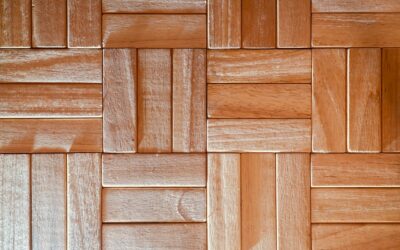
Few materials tell a story the way salvaged timber does, and reclaimed oak wood flooring tells one of the richest. Pulled from century-old barns, textile mills, and dismantled warehouses, these boards carry nail holes, saw marks, weathered patina, and tight old-growth grain you simply cannot buy new. No factory finish replicates the depth of a plank that spent 120 years holding up a Pennsylvania hay loft.
This guide walks through where the wood comes from, what you should actually pay, the grades to ask for, and the practical headaches to plan around before you commit.
- Where Reclaimed Oak Actually Comes From
- What Makes Old-Growth Oak Different
- Reclaimed Oak Wood Flooring Cost
- Grades and What to Look For
- Finishing Options and Their Effect
- The Character You Are Paying For
- Installation Realities to Plan For
- White Oak vs Red Oak in Reclaimed Stock
- Is Reclaimed Oak Right for Your Project?
Where Reclaimed Oak Actually Comes From
The bulk of salvaged oak in the U.S. market traces back to structures built between 1850 and 1940, when white and red oak were the default framing and flooring species east of the Mississippi. Barns are the most common source, followed by industrial buildings with heavy timber joists.
There are two broad product streams. The first is remilled flooring, where old joists and beams are sawn into fresh tongue-and-groove planks. This gives you old-growth wood with a clean, modern profile. The second is face-reclaimed flooring, where original flooring boards are lightly refurbished and reinstalled with their worn surface intact. If you want the beat-up, story-rich look, you want face-reclaimed. If you want stability and old grain but a smoother surface, remilled is the safer bet.
What Makes Old-Growth Oak Different
Old-growth timber grew slowly in dense forests, producing 20 to 30 growth rings per inch compared with 6 to 10 in modern plantation oak. Those tight rings mean denser, harder, more dimensionally stable wood. White oak reclaimed from the 1800s often tests noticeably harder in practice than the 1,360 Janka rating of new white oak because of that ring density and decades of slow drying.
That stability matters. Wood that has sat indoors for a century has already done nearly all the moving it will ever do. Properly kiln-dried reclaimed oak shrinks and swells less across seasons than freshly milled lumber, which reduces gapping in winter.
Reclaimed Oak Wood Flooring Cost
Expect to pay a premium. Salvaged material is labor-intensive to source, denail, kiln-dry, and remill, and the yield is low. Here are typical prices for material only:
- Character-grade remilled oak: $9 to $14 per sq ft
- Select or cleaner remilled oak: $12 to $18 per sq ft
- Face-reclaimed original boards: $10 to $16 per sq ft
- Wide-plank reclaimed oak (7 inches and up): $14 to $22 per sq ft
Installation adds another $4 to $8 per sq ft for nail-down over a wood subfloor. Sanding and finishing on site, if the boards arrive unfinished, runs $3 to $6 per sq ft more. A 400-square-foot living room in mid-grade reclaimed oak, installed and finished, realistically lands between $9,000 and $15,000. Compare that with $6,000 to $9,000 for a comparable new white oak floor.
Budget an extra 10 to 15 percent waste factor. Reclaimed boards come in mixed lengths and you will cull more pieces for cracks, embedded metal, or excessive checking than you would with new stock.
Grades and What to Look For
There is no universal grading standard for reclaimed material the way there is for new NOFMA-graded oak, so terminology varies by supplier. Ask these questions before buying:
- Is it kiln-dried, and to what moisture content? You want 6 to 9 percent for interior installation. Air-dried barn wood at 14 percent will shrink and gap after installation.
- Has it been metal-detected? Reputable mills run every board through a metal detector to catch broken nail shanks that will destroy a planer blade or a job-site saw.
- What is the board width and length range? Mixed random lengths from 1 to 8 feet install beautifully but require more layout planning.
- Is it certified? FSC Recycled certification and third-party antique verification protect you from “reclaimed-look” distressed new wood being sold at reclaimed prices.
Finishing Options and Their Effect
How you finish salvaged oak dramatically changes the final look. A penetrating hardwax oil in a natural tone lets the weathered color and grain read fully, and it is easy to spot-repair when a scratch appears, which matters on a floor whose whole point is character. Oil-based polyurethane adds a warm amber cast and a durable film, while water-based poly keeps the wood cooler and paler and yellows far less over the years.
Many homeowners choose a matte or satin sheen rather than gloss, because a high shine fights the rustic surface and highlights every dip and saw mark in a way that can look busy. For face-reclaimed boards with heavy patina, the lightest possible finish is usually best so the original surface stays the star rather than a thick, plastic-looking coating burying it.
The Character You Are Paying For
The visual appeal comes down to accumulated history. Nail holes from square-cut nails, mineral streaks, worm tracks, checking, and the gray-brown patina of oxidized wood all read as authentic in a way distressing tools cannot fake. Face-reclaimed boards keep the original wear pattern, including the subtle dishing where foot traffic wore high spots down over decades.
If you prefer a cleaner look with just the grain benefits, remilled and refinished reclaimed oak sands down to a fresh surface while keeping the tight old-growth figure. Many homeowners split the difference by choosing remilled boards and applying a natural or matte oil finish that lets the character grain show without heavy distressing.
Installation Realities to Plan For
Reclaimed oak installs like any solid nail-down floor, with a few extra steps. Let the wood acclimate in the installation space for a minimum of 7 to 10 days, and check moisture with a pin meter until the boards are within 2 to 4 percent of the subfloor reading. Skipping acclimation is the single most common cause of failed reclaimed installs.
Because lengths are random and some boards carry surface irregularities, expect the install to run 20 to 30 percent slower than a new floor. A good installer racks out several rows ahead of time to balance color, width, and length distribution across the room. Face-nailing with cut nails is common on wider planks for both hold and period authenticity.
White Oak vs Red Oak in Reclaimed Stock
Most antique American oak flooring is white oak, prized for its tight grain, tan-to-brown color, and closed cell structure that resists moisture. Red oak shows up too, recognizable by its pinker cast and more open, porous grain. White oak generally commands a small premium in the salvage market because of its density and its popularity in current design trends toward neutral, greige tones.
When you order, ask the mill which species the batch is, since mixing red and white oak across a single room can create uneven color if the floor is later stained. For a natural or oiled finish, a blend often reads as pleasingly varied rather than mismatched, so it comes down to the look you want.
Is Reclaimed Oak Right for Your Project?
Choose it when you want genuine warmth, environmental credentials, and a floor with a past. Salvaging keeps usable timber out of landfills and avoids harvesting new trees, which appeals to a lot of homeowners. It suits historic renovations, high-end custom homes, farmhouse and industrial aesthetics, and commercial spaces wanting a distinctive feel.
Think twice if your budget is tight, if you need perfectly uniform boards, or if you are installing over radiant heat without confirming the supplier’s moisture specs. For most homeowners, though, the payoff is a floor that looks better with every passing year. Well-chosen and properly installed reclaimed oak wood flooring is one of the few surfaces that can be sanded and refinished for another century, making the upfront premium easier to justify over the long life of the material.
Buy from a mill that documents its sourcing, insist on kiln-dried and metal-detected stock, order your samples in person, and give the wood time to settle before it goes down. Do that, and you end up with a floor no catalog product can match.
Prefer to explore on your own?
See how new flooring looks in your actual room in seconds — free, no signup.
Try the free Floor Studio →