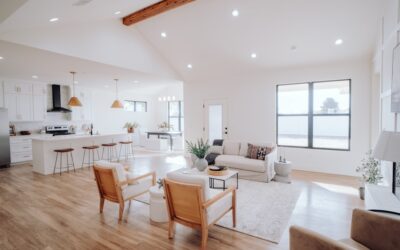
Pine flooring has been underfoot in American homes since the colonial era. Long before oak and maple became the standards, pine was the default flooring material — abundant, easy to mill, and available in the wide planks that early builders preferred. Today, pine is experiencing a revival among homeowners drawn to its rustic warmth, farmhouse character, and the unique patina it develops with age.
This guide covers the three main types of pine flooring — heart pine, yellow pine, and white pine — their Janka hardness ratings, realistic cost expectations, the pros and cons of choosing a softwood floor, wide plank options, reclaimed pine, staining considerations, and maintenance requirements.
Types of Pine Flooring
Heart Pine
Heart pine is the heartwood of the longleaf pine tree (Pinus palustris), a species that once covered vast stretches of the southeastern United States. Old-growth heart pine is extraordinarily dense because the trees grew slowly over 200 to 500 years, producing tight growth rings and high resin content. This density gives heart pine a Janka hardness of approximately 1,225 — comparable to black walnut and harder than many “hardwood” species.
New-growth heart pine is available but significantly softer than old-growth because modern trees grow much faster. The richly colored, amber-to-reddish heartwood with minimal sapwood is what distinguishes heart pine from other pine varieties. Today, old-growth heart pine is primarily available as reclaimed material salvaged from demolished buildings, river bottoms, and old-growth stumps.
Yellow Pine (Southern Yellow Pine)
Southern yellow pine is a group of several pine species (loblolly, shortleaf, slash, and longleaf) commonly used for flooring. It is harder than white pine, with a Janka rating of approximately 870, and has a pronounced grain pattern with distinct growth rings. Yellow pine has a warm, golden tone that deepens to rich amber over time with sunlight exposure.
Yellow pine is the most commonly available new-growth pine flooring and represents the best balance of hardness, cost, and availability. It accepts stain well (with proper conditioning) and is available in both standard and wide plank formats.
White Pine (Eastern White Pine)
Eastern white pine is the softest of the three, with a Janka hardness of approximately 380 to 420. Its pale, creamy color and fine, even grain give it a clean, Scandinavian aesthetic. White pine dents and scratches more readily than yellow or heart pine, but many homeowners consider the accumulated wear to be part of its charm — a “lived-in” patina that tells the story of a home.
White pine is traditionally associated with New England colonial and farmhouse architecture. It is most often installed as wide planks (8 to 16 inches) and left unstained or given a light whitewash to preserve its pale appearance.
Janka Hardness Ratings
| Pine Type | Janka Hardness | Comparison | Dent Resistance |
|---|---|---|---|
| Heart pine (old growth) | 1,225 | Similar to black walnut (1,010) | Good |
| Southern yellow pine | 870 | Softer than red oak (1,290) | Moderate |
| Eastern white pine | 380 – 420 | Much softer than red oak | Low |
| Red oak (reference) | 1,290 | Standard hardwood benchmark | Good |
| Hickory (reference) | 1,820 | Hardest domestic hardwood | Very good |
The Janka rating measures resistance to denting by pressing a steel ball into the wood. Lower numbers mean the wood dents more easily. For context, dropping a heavy pot on yellow pine will leave a visible dent, while the same drop on red oak might leave only a slight mark. This softness is the primary trade-off of pine flooring.
Wide Plank Pine
Pine is one of the best species for wide plank flooring because pine trees produce straight, long boards with fewer defects per linear foot than many hardwoods. Wide plank pine — typically 7 to 12 inches wide, sometimes up to 16 inches or more — is the hallmark of colonial, farmhouse, and rustic interiors.
Wide planks show off the wood’s natural grain patterns and knots in a way that narrow strip flooring cannot. They also mean fewer seams per room, which creates a more seamless, expansive visual. The historical authenticity of wide plank pine makes it a popular choice for period home restorations and new homes designed in a traditional American farmhouse style.
Installation note: Wide planks are more susceptible to seasonal expansion and contraction than narrow planks. Use a moisture meter to verify that both the wood and the subfloor are within 2% of each other before installation. Nail-down installation over a wood subfloor is preferred for wide plank pine — floating installations are not recommended for planks wider than 5 inches.
Cost Breakdown
| Pine Type | Material Cost (per sq ft) | Installation Cost (per sq ft) | Total Installed |
|---|---|---|---|
| White pine (standard width) | $3 – $5 | $3 – $5 | $6 – $10 |
| Yellow pine (standard width) | $3 – $6 | $3 – $5 | $6 – $11 |
| Yellow pine (wide plank) | $5 – $8 | $4 – $6 | $9 – $14 |
| Heart pine (new growth) | $5 – $8 | $4 – $6 | $9 – $14 |
| Heart pine (reclaimed) | $8 – $20 | $5 – $8 | $13 – $28 |
Standard new-growth pine flooring is one of the most affordable solid wood flooring options, making it attractive for homeowners who want real wood at a budget-friendly price. Reclaimed heart pine is the exception — its scarcity and historical value command premium pricing.
Pros and Cons of Pine Flooring
Pros
- Affordable: New-growth pine costs $3 to $8 per square foot — significantly less than oak, maple, or hickory.
- Beautiful character: Knots, grain variation, and color changes give pine a warmth and personality that many homeowners love.
- Develops patina: Pine deepens in color over time, developing a rich amber or honey tone that adds to its beauty.
- Wide plank availability: Pine is one of the easiest species to find in wide plank formats (8″ to 16″+).
- Easy to work with: Pine is softer, so it is easier to cut, nail, and install than harder species.
- Sustainable: Pine grows faster than hardwood species, reaching harvestable maturity in 25 to 30 years versus 60 to 100+ years for oak.
- Historical authenticity: The ideal choice for colonial, farmhouse, and period-style homes.
Cons
- Soft — dents easily: This is the biggest drawback. Dropped items, high heels, pet claws, and heavy furniture all leave marks on pine.
- Scratches readily: The soft surface scratches more easily than hardwoods like oak or hickory.
- Requires more maintenance: Pine floors may need refinishing more frequently (every 5 to 7 years versus 7 to 10 for hardwood).
- Stain absorption uneven: Pine’s varying density between growth rings causes stain to absorb unevenly, creating a blotchy appearance without pre-stain conditioner.
- Not ideal for high-traffic areas: Entryways, kitchens, and hallways with heavy foot traffic will show wear faster.
- Lower resale value: Most buyers prefer hardwood species like oak; pine may be perceived as a budget choice in some markets.
Knotty vs Clear Pine
Knotty pine features visible knots — the remnants of branch connections in the trunk. These knots range from small, tight knots (1/4 inch) to large, open knots (2 inches or more). Knotty pine has a distinctly rustic, casual character and costs less than clear pine because knots are considered a “defect” in grading even though many homeowners prefer them.
Clear pine (also called select or premium grade) has few or no visible knots. The clean, uniform appearance suits contemporary, Scandinavian, and minimalist interiors. Clear pine costs 20% to 40% more than knotty grades because the defect-free boards are selected from the best portions of each log.
| Grade | Knot Presence | Style | Cost Premium |
|---|---|---|---|
| Knotty (#2 common) | Many knots, character marks | Rustic, farmhouse, cabin | Base price |
| Select (#1 common) | Few small knots | Transitional | +10% – 20% |
| Clear (C & better) | Virtually knot-free | Contemporary, Scandinavian | +20% – 40% |
Reclaimed Pine Flooring
Reclaimed pine — especially reclaimed heart pine — is sourced from old barns, warehouses, factories, and river-salvaged logs. This wood is prized for several reasons: old-growth density and hardness, unique patina and nail holes that tell a story, and the environmental benefit of reusing existing material rather than harvesting new trees.
Reclaimed pine typically costs $8 to $20 per square foot for materials, reflecting the labor-intensive process of salvaging, de-nailing, kiln-drying, and milling the wood into usable flooring. The result, however, is a floor with character and history that cannot be replicated with new wood.
When purchasing reclaimed pine, verify that the supplier properly kiln-dries the wood (to eliminate insects and stabilize moisture content) and that the boards are milled to consistent thickness for a flat installation.
Staining Options
Pine requires special attention when staining because its varying density (soft spring wood vs. hard summer wood within each growth ring) causes uneven stain absorption.
Pre-stain conditioner is essential. Apply a wood conditioner before staining pine to partially seal the softer areas and promote even absorption. Without conditioner, pine stain jobs almost always look blotchy.
Best stain colors for pine:
- Natural or clear finish: Showcases pine’s natural pale-gold color and lets the patina develop naturally over time. The simplest and most maintenance-friendly option.
- Honey or golden oak: Enhances pine’s natural warmth without dramatically changing the color. Popular for farmhouse and traditional interiors.
- Whitewash or pickled: A diluted white stain that lightens the wood while allowing grain to show through. Perfect for coastal and Scandinavian styles.
- Dark walnut or ebony: Possible on pine but requires extra care — conditioner is critical, and the results vary more than on hardwoods. Dark stains on pine tend to look different from dark stains on oak.
Gel stains are an alternative to liquid stains that work particularly well on pine. Because gel stain sits on the surface rather than penetrating deeply, it produces a more uniform color on pine’s uneven grain structure.
Maintenance and Care
Maintaining pine flooring requires a bit more attention than maintaining harder hardwood flooring, but the routine is straightforward.
- Sweep or vacuum regularly: Sand and grit are the enemy — they act like sandpaper under foot traffic, accelerating wear on pine’s soft surface.
- Use furniture pads: Felt pads under all furniture legs prevent denting. Replace pads every 6 to 12 months as they compress and collect grit.
- No high heels: Stiletto heels concentrate body weight on a tiny point and will dent any pine floor.
- Mats at entries: Capture grit before it reaches the floor. Interior and exterior mats at every entrance reduce wear significantly.
- Clean with pH-neutral cleaner: Avoid vinegar, ammonia, and soap-based cleaners that can dull the finish or leave residue.
- Refinish every 5 to 7 years: Pine’s softer surface means the finish wears through faster than on hardwood. Plan to screen and recoat (a lighter process than full sanding) every 5 to 7 years to maintain protection.
- Embrace the character: Dents and wear marks on pine flooring are inevitable and, for most pine floor enthusiasts, part of the appeal. A “perfectly worn” pine floor has more character than a pristine one.
Pine vs Other Hardwoods
| Feature | Pine | Red Oak | Hickory | Maple |
|---|---|---|---|---|
| Janka hardness | 380 – 1,225 | 1,290 | 1,820 | 1,450 |
| Material cost (per sq ft) | $3 – $8 | $4 – $9 | $5 – $10 | $5 – $10 |
| Dent resistance | Low to moderate | Good | Very good | Good |
| Wide plank availability | Excellent | Good | Limited | Limited |
| Character/grain | Knotty, warm, rustic | Strong grain, classic | Bold, varied | Fine, uniform |
| Stain acceptance | Requires conditioner | Excellent | Good | Requires conditioner |
| Best style fit | Farmhouse, colonial, rustic | Traditional, versatile | Rustic, lodge | Contemporary, transitional |
| Refinishing frequency | Every 5 – 7 years | Every 7 – 10 years | Every 8 – 12 years | Every 7 – 10 years |
Frequently Asked Questions
Is pine flooring a good choice?
Pine flooring is a good choice for homeowners who prioritize character, warmth, and budget over maximum durability. It is ideal for farmhouse, colonial, and rustic interiors where a lived-in patina is appreciated. It is not the best choice for homes with large dogs, high-traffic commercial areas, or homeowners who want a pristine, mark-free surface.
How long does pine flooring last?
Pine flooring can last 30 to 100+ years with proper maintenance. Heart pine and well-maintained yellow pine floors in homes built in the 1700s and 1800s are still in service today. The finish will need refreshing every 5 to 7 years, and the wood itself may need a full sanding and refinishing every 15 to 25 years.
Does pine flooring dent easily?
Yes, pine is a softwood and dents more easily than hardwood species like oak, maple, and hickory. White pine is the softest (Janka 380–420) and will show dents from normal use. Southern yellow pine (Janka 870) is moderately resistant. Old-growth heart pine (Janka 1,225) performs comparably to many hardwoods.
Can you stain pine flooring dark?
You can stain pine dark, but it requires extra preparation. Always apply a pre-stain wood conditioner first to prevent blotchy absorption. Gel stains produce more uniform results on pine than liquid penetrating stains. Test your stain on a sample board before committing to the entire floor.
Is pine cheaper than oak flooring?
New-growth pine flooring ($3 to $8 per square foot) is generally cheaper than red oak ($4 to $9 per square foot). The exception is reclaimed heart pine, which costs $8 to $20 per square foot — more than standard oak. Wide plank pine is comparably priced to standard-width oak.
What is the difference between heart pine and yellow pine?
Heart pine is specifically the heartwood of the longleaf pine tree, which is denser and harder (Janka 1,225 for old growth) than the broader category of southern yellow pine (Janka 870). Old-growth heart pine is significantly harder, more resinous, and more decay-resistant than new-growth yellow pine. True old-growth heart pine is only available as reclaimed material.
Prefer to explore on your own?
See how new flooring looks in your actual room in seconds — free, no signup.
Try the free Floor Studio →