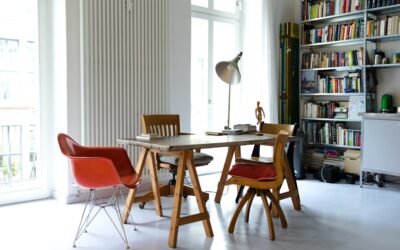
Walk into a 200-year-old New England farmhouse and the wide, honey-amber boards underfoot are almost always eastern white pine. White pine flooring has a softness that surprises homeowners used to oak, but the same softness gives it a warmth and patina no harder wood can match. The species sits at the low end of the Janka scale, so expectations have to match reality. This guide walks through what white pine does beautifully, where it fails, realistic costs, and how to install and finish it so it lasts generations.
What White Pine Actually Is
Eastern white pine (Pinus strobus) grew across the northeastern US and eastern Canada in vast stands before colonial logging. It is a softwood, light in weight, with a creamy white to pale yellow heartwood and almost invisible sapwood. Grain is straight, knots appear frequently, and pitch pockets are common. Most flooring is cut from second-growth trees today, though reclaimed heart pine from old barns commands a premium because the tight old-growth rings produced harder wood.
Western white pine, sugar pine, and radiata pine look similar but have slightly different density profiles. Southern yellow pine is a different species entirely — denser, resinous, and technically a softwood that behaves almost like a hardwood.
Hardness and Durability
White pine sits around 380 on the Janka scale. For context, red oak is 1,290 and Brazilian walnut is 3,680. That means white pine dents under a dropped can, a stiletto heel, or a dog nail. Homeowners who specify pine accept this; the charm comes from the marks accumulated over time. A pine floor that looks worn at year 15 often looks better, not worse, than the day it was installed.
If you want a pristine floor, pick oak or hickory. If you want a floor with character that ages like leather, pine is the right species.
Pros of White Pine Flooring
- Warm color and honey-toned patina that deepens with sun exposure and oxidation.
- Wide plank availability — 8, 10, even 12 inches wide is common because pine grows large and straight.
- Lower price than most domestic hardwoods: $3 to $7 per sq ft for unfinished boards.
- Lightweight, making it easier to carry and install than dense exotics.
- Refinishable multiple times thanks to 3/4 inch solid construction.
- Historically appropriate for Colonial, Federal, farmhouse, and cabin styles.
- Regionally sourced in the US, often from sustainably managed Northeast forests.
Cons to Consider
- Soft surface dents and scratches easily.
- Shows wear paths in kitchens, hallways, and in front of sinks within 5 to 10 years.
- Absorbs stain unevenly because of pitch and grain variation.
- Can yellow dramatically in direct sun if no UV-blocking finish is used.
- Not ideal for homes with large dogs or heavy rolling office chairs.
Grades of Pine Flooring
Select or Clear
Minimal knots, consistent color, used in formal homes that still want pine’s warmth. Costs 25 to 40 percent more than character grade.
Number 2 Common or Character
Tight knots under 1.5 inches, natural color variation, occasional pitch streaks. The most popular grade because it reads as authentic.
Cabin or Rustic
Open knots, checking, dramatic color swings. Adds patina instantly but can look busy in bright rooms.
Reclaimed Heart Pine
Salvaged from 19th-century barns, factories, and mills. Old-growth rings pack 20-plus per inch, yielding harder, denser boards with rich amber color. Expect $9 to $18 per sq ft and long lead times.
Finish Options
Finish choice makes or breaks a pine floor. Because the wood is soft and porous, the wrong product will look blotchy, yellow too fast, or wear off the high spots within years.
Oil Finishes (Rubio Monocoat, Pallmann Magic Oil)
Penetrating hardwax oils settle into pine’s open grain and highlight character. Spot-repairable and easy to refresh every 3 to 5 years. My preferred system for pine.
Water-Based Polyurethane
Holds pine’s pale color better than oil-based poly, which ambers the wood noticeably. Bona Traffic HD or Loba Supra are the contractor-standard choices at $85 to $120 per gallon.
Oil-Based Polyurethane
Adds warm amber tone that many pine buyers actually want. Slightly better scratch resistance than waterborne, but VOCs are high and dry time is 24 hours between coats.
Shellac or Wax
Historically accurate for pre-1850 homes. Easy to spot-repair with a fresh coat. Not durable enough for modern family traffic.
Installation Notes
- Acclimate boards in the finish room for 7 to 14 days. Pine moves more than oak with seasonal humidity.
- Cut nails or face-screw wide planks wider than 8 inches; tongue-and-groove alone cannot hold them flat long term.
- Plug the holes with contrasting wood plugs for a traditional look or matching wood for a cleaner finish.
- Maintain indoor humidity between 35 and 55 percent to avoid seasonal gapping.
- Expect seasonal gaps of 1/16 to 1/8 inch in winter; this is normal and closes in summer.
Maintenance and Care
Sweep or microfiber-dust daily in main paths. Damp mop monthly with a pH-neutral wood cleaner like Bona or Method. Never let water puddle; pine absorbs moisture faster than oak. Felt pads under every chair leg are mandatory, and a runner or rug in the kitchen sink zone extends life significantly.
Plan to refresh oil finishes every 3 to 5 years in main paths and recoat polyurethane every 7 to 10. A full sand and refinish is possible 5 to 7 times over the floor’s life on 3/4 inch solid boards.
Is White Pine Right for You?
Choose pine if you love the patina of an old house, you are furnishing a cabin or farmhouse, or you want wide boards at a budget oak can never reach. Skip pine if you want a flawless surface, you have large pets, or your household treats dents as defects. The species rewards homeowners who embrace imperfection as character.
Bottom Line
White pine flooring delivers warmth, width, and history at roughly half the price of wide-plank oak. Specify character grade, use a penetrating oil or a non-yellowing waterborne finish, and accept the dents as part of the deal. Installed correctly, a pine floor pays you back with decades of character that no manufactured product can replicate — which is exactly why colonial farmhouses still have their original boards 250 years later.
Prefer to explore on your own?
See how new flooring looks in your actual room in seconds — free, no signup.
Try the free Floor Studio →