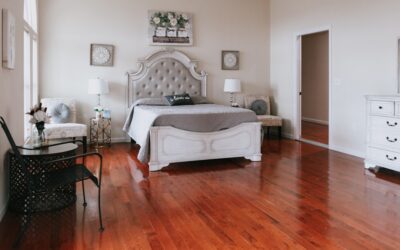
Solid wood flooring has been a hallmark of quality homes for centuries. Made from a single piece of milled hardwood, it delivers unmatched natural beauty, incredible durability, and the ability to be refinished multiple times over its lifespan. Whether you’re building a new home or renovating an older one, solid wood flooring remains one of the most sought-after options on the market.
In this guide, we break down everything you need to know — from species and grades to installation methods and long-term costs — so you can decide whether solid wood flooring is the right choice for your space.
- What Is Solid Wood Flooring?
- Popular Solid Wood Flooring Species
- Understanding Solid Wood Grades
- Solid vs Engineered Wood Flooring
- Solid Wood Flooring Cost Breakdown
- Installation: The Nail-Down Method
- Refinishing Potential: The Biggest Advantage
- Pros and Cons of Solid Wood Flooring
- Maintenance Tips for Solid Wood Floors
- Best Rooms for Solid Wood Flooring
- How to Choose the Right Solid Wood Floor
- Frequently Asked Questions About Solid Wood Flooring
- How long does solid wood flooring last?
- Can solid wood flooring be installed over concrete?
- Is solid wood flooring waterproof?
- How much does it cost to refinish solid hardwood floors?
- What is the best species of solid wood flooring?
- Can I install solid wood flooring myself?
- Does solid wood flooring increase home value?
What Is Solid Wood Flooring?
Solid wood flooring is exactly what the name suggests: each plank is milled from a single piece of hardwood timber. Unlike engineered wood flooring, which features a thin hardwood veneer bonded to a plywood core, solid wood planks are the same species of wood all the way through. This construction gives solid hardwood its legendary refinishing potential — you can sand and refinish it up to 8–10 times over the life of the floor, making it a genuine multi-generational investment.
Standard solid wood planks are typically 3/4 inch (19 mm) thick, though 5/16-inch options exist for specific applications. Widths range from narrow 2-1/4-inch strip flooring to wide 5-inch planks and beyond. Lengths vary, with longer boards generally considered more premium.
Popular Solid Wood Flooring Species
Choosing the right wood species is one of the most important decisions you’ll make. Each species has a distinct grain pattern, color tone, and hardness rating (measured on the Janka scale). Here’s how the most popular options compare.
| Species | Janka Hardness | Color / Tone | Grain Pattern | Best For |
|---|---|---|---|---|
| Red Oak | 1,290 lbf | Warm pinkish-brown | Pronounced, open grain | Traditional homes, high-traffic areas |
| White Oak | 1,360 lbf | Golden brown with gray undertones | Tighter grain, ray flecks | Modern and farmhouse styles, kitchens |
| Hard Maple | 1,450 lbf | Light creamy white | Fine, subtle grain | Contemporary spaces, gyms |
| Walnut | 1,010 lbf | Rich dark chocolate brown | Flowing, straight grain | Luxury interiors, formal rooms |
| Hickory | 1,820 lbf | Varied blond to brown | Heavy, dramatic grain | Rustic homes, pet-friendly spaces |
| Cherry | 950 lbf | Warm reddish hue (darkens with age) | Smooth, fine grain | Formal dining rooms, bedrooms |
Oak remains the most popular choice in North America for good reason — it’s widely available, reasonably priced, extremely durable, and takes stain beautifully. White oak has surged in popularity in recent years thanks to its compatibility with modern gray and natural finishes.
Hickory is the hardest domestic species commonly used for flooring, making it ideal for homes with pets or heavy foot traffic. Its dramatic color variation isn’t for everyone, but it creates a stunning rustic aesthetic.
Walnut and cherry are softer species that work best in lower-traffic rooms. Both develop a beautiful patina over time, but they do show dents and scratches more readily.
Understanding Solid Wood Grades
Solid hardwood flooring is graded by appearance, not structural integrity. All grades are equally strong — the difference is purely aesthetic. Understanding grades helps you choose the look you want at the right price point.
| Grade | Appearance | Color Variation | Knots / Mineral Streaks | Price Level |
|---|---|---|---|---|
| Select / Clear | Uniform, clean | Minimal | Few to none | $$$ |
| #1 Common | Natural, moderate character | Moderate | Small knots, some mineral streaks | $$ |
| #2 Common | Rustic, high character | Significant | Larger knots, sapwood, mineral marks | $ |
| Rustic / Cabin | Very rustic, maximum character | Maximum | Open knots, wormholes, heavy variation | $ |
Select grade is the premium choice for a clean, uniform look. #1 Common is the most popular grade overall, offering a balanced mix of character and consistency. #2 Common and Rustic grades have become increasingly trendy as homeowners embrace natural imperfections for farmhouse and industrial design styles.
Solid vs Engineered Wood Flooring
One of the most common questions homeowners ask is whether to go with solid or engineered wood flooring. Both are real hardwood, but the construction differs significantly.
| Feature | Solid Wood | Engineered Wood |
|---|---|---|
| Construction | Single piece of hardwood | Hardwood veneer over plywood core |
| Thickness | 3/4 inch typical | 3/8 to 3/4 inch |
| Refinishing | Up to 8–10 times | 1–3 times (depends on veneer thickness) |
| Moisture Resistance | Lower — expands and contracts | Higher — more dimensionally stable |
| Installation | Nail-down on wood subfloor | Nail, glue, or float |
| Below Grade | Not recommended | Suitable for basements |
| Cost (installed) | $8–$15 per sq ft | $7–$14 per sq ft |
| Lifespan | 75–100+ years | 30–50 years |
Choose solid wood if you want maximum longevity, the ability to refinish many times, and you’re installing on a wood subfloor at or above grade. Choose engineered if you need to install over concrete, below grade, or over radiant heat systems.
Solid Wood Flooring Cost Breakdown
The total cost of solid wood flooring depends on the species, grade, width, and your geographic location. Here are typical 2026 price ranges.
- Materials only: $3–$10 per square foot
- Professional installation: $4–$8 per square foot
- Finishing (if unfinished): $2–$4 per square foot
- Total installed cost: $8–$15 per square foot
Oak is generally the most affordable domestic hardwood, while walnut and wide-plank options command premium prices. Pre-finished planks cost more upfront but eliminate on-site finishing costs and allow you to walk on the floor immediately after installation.
Installation: The Nail-Down Method
Solid wood flooring is almost exclusively installed using the nail-down method. A pneumatic flooring nailer drives cleats or staples through the tongue of each plank at a 45-degree angle, securing the floor to a wood subfloor beneath.
Installation Requirements
- Subfloor: 3/4-inch plywood or OSB over joists (minimum). Concrete is not suitable for nail-down.
- Acclimation: Planks must acclimate in the room for 3–7 days before installation.
- Moisture testing: Subfloor moisture should be below 12%, and the difference between the subfloor and flooring should not exceed 2–4%.
- Underlayment: A moisture barrier (15-lb felt paper or rosin paper) is laid over the subfloor.
- Direction: Planks are typically installed perpendicular to floor joists for structural integrity.
Professional installation is strongly recommended for solid hardwood. Improper acclimation or moisture management can lead to cupping, buckling, or gapping — expensive problems to fix after the fact.
Refinishing Potential: The Biggest Advantage
The single greatest advantage of solid wood flooring over every other flooring type is its refinishing potential. When the surface becomes scratched, dented, or worn, a professional can sand away the damaged layer and apply a fresh finish. With 3/4-inch thickness, you have enough material for 8–10 full sandings over the floor’s lifetime.
A typical refinishing project involves:
- Sanding the floor with progressively finer grits (36, 60, 80, 100)
- Applying stain (optional — you can change the color entirely)
- Applying 2–3 coats of polyurethane or hardwax oil
Refinishing costs $3–$6 per square foot and can be done every 7–15 years depending on traffic. This ability to renew the floor — even changing its color — means your solid wood floor can adapt to evolving design trends for decades.
Pros and Cons of Solid Wood Flooring
Pros
- Unmatched longevity: Can last 75–100+ years with proper care
- Refinishing: Can be sanded and refinished 8–10 times
- Adds home value: Consistently ranked as a top feature by home buyers
- Timeless beauty: Natural wood grain never goes out of style
- Variety: Dozens of species, stains, and finishes available
- Hypoallergenic: Does not trap dust, pollen, or pet dander
Cons
- Moisture sensitive: Not suitable for basements, bathrooms, or below-grade installation
- Expansion and contraction: Seasonal movement can cause gaps in winter and swelling in summer
- Higher cost: More expensive than laminate, vinyl, or engineered options
- Installation limitations: Requires a wood subfloor; cannot be installed over concrete
- Scratches and dents: Softer species show wear more readily
- Noise: Can be noisy underfoot without proper underlayment
Maintenance Tips for Solid Wood Floors
Maintaining solid wood flooring is straightforward, but consistent care makes a big difference in how long your finish lasts between refinishing cycles.
- Sweep or vacuum daily in high-traffic areas (use a hardwood-safe vacuum without a beater bar)
- Damp-mop weekly with a hardwood floor cleaner — never use excessive water
- Use felt pads under all furniture legs and replace them every 6–12 months
- Place mats at entryways to catch grit and moisture
- Control humidity between 35%–55% year-round with a humidifier or dehumidifier
- Avoid harsh cleaners — no vinegar, ammonia, or steam mops on hardwood
- Recoat the finish every 5–7 years to maintain the protective layer without a full sanding
With diligent maintenance, your finish can last 10–15 years before a full refinish is needed.
Best Rooms for Solid Wood Flooring
Solid wood flooring performs best in dry, climate-controlled areas of your home:
- Living rooms and family rooms: The natural warmth of wood creates a welcoming atmosphere
- Bedrooms: Comfortable underfoot and easy to keep allergen-free
- Dining rooms: Elegant and easy to clean under dining tables
- Hallways and entryways: Choose harder species like oak or hickory for these high-traffic zones
- Home offices: Professional look with easy chair-mat compatibility
Avoid installing solid wood in bathrooms, laundry rooms, basements, or any space with high moisture exposure. For those areas, consider engineered hardwood or waterproof luxury vinyl instead.
How to Choose the Right Solid Wood Floor
Narrowing down your options can feel overwhelming. Here’s a simple decision framework:
- Assess your lifestyle: Pets and kids? Go with harder species (hickory, white oak, maple). Low traffic? Walnut and cherry are fine.
- Pick your style: Modern and minimalist? Choose select-grade white oak with a matte finish. Rustic farmhouse? Go with #2 common hickory and a wire-brushed texture.
- Set your budget: At $8–$10/sq ft installed, oak is the sweet spot of value and beauty. Walnut and wide planks push into the $12–$15+ range.
- Consider width: Narrow 2-1/4-inch strips are traditional and economical. Wide 5-inch+ planks are modern and premium.
- Choose your finish: Pre-finished for convenience and durability, or site-finished for a seamless, custom look.
Visit a showroom to see and feel samples in person — photos rarely capture the true warmth and character of natural wood. Check out our hardwood flooring collection for a range of species and styles.
Frequently Asked Questions About Solid Wood Flooring
How long does solid wood flooring last?
With proper care and periodic refinishing, solid wood flooring can last 75–100 years or more. Many historic homes feature original hardwood floors that are well over a century old.
Can solid wood flooring be installed over concrete?
No. Solid wood flooring requires a nail-down installation on a wood subfloor. If you have a concrete slab, engineered wood flooring is the better option, as it can be glued directly to concrete.
Is solid wood flooring waterproof?
No. Solid wood is a natural material that absorbs moisture, which can cause swelling, warping, and cupping. It should not be installed in bathrooms, basements, or other moisture-prone areas.
How much does it cost to refinish solid hardwood floors?
Professional refinishing typically costs $3–$6 per square foot, depending on the condition of the floor and the finish you choose. Most floors need refinishing every 7–15 years.
What is the best species of solid wood flooring?
Oak is the most popular and versatile choice, offering excellent durability, wide availability, and compatibility with nearly any design style. White oak is especially favored for its modern appeal and superior moisture resistance compared to red oak.
Can I install solid wood flooring myself?
While DIY installation is possible with the right tools and experience, professional installation is recommended. Improper acclimation, moisture management, or nailing technique can lead to costly damage.
Does solid wood flooring increase home value?
Yes. Real estate studies consistently show that hardwood floors are among the most desirable features for home buyers. Solid hardwood, in particular, signals quality and longevity.
Prefer to explore on your own?
See how new flooring looks in your actual room in seconds — free, no signup.
Try the free Floor Studio →