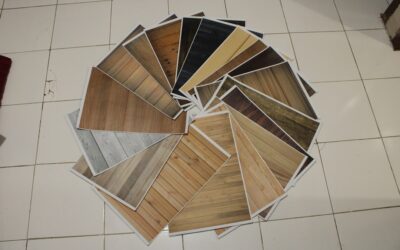
Linoleum roll flooring is a durable, eco-friendly sheet flooring sold in wide rolls that lay down with very few seams, giving you a smooth, continuous surface across a whole room. Often confused with vinyl, true linoleum is a distinct, natural product with a long history and some real advantages, and it has seen a resurgence among homeowners who want sustainability without sacrificing performance.
This guide covers what linoleum actually is, how it differs from vinyl, the benefits and drawbacks, installation basics, cost expectations, and how to care for it. If you are weighing resilient flooring options for a kitchen, bath, or busy hallway, understanding linoleum will help you choose wisely.
What Linoleum Actually Is
Genuine linoleum is made from natural raw materials, primarily linseed oil (pressed from flax), pine resin, wood flour, cork dust, ground limestone, and natural pigments, pressed onto a jute or burlap backing. That natural composition is what sets it apart from synthetic flooring and gives it both its eco credentials and its distinctive durability.
Because the color and pattern run all the way through the material rather than sitting on a printed top layer, surface wear and minor scratches are far less noticeable than on products with a thin printed wear layer. This through-body coloring is one of linoleum’s signature advantages for long-term looks.
Linoleum vs. Vinyl: A Key Distinction
People use the terms interchangeably, but they are different materials, and the difference matters:
- Composition: Linoleum is made from natural, renewable materials; vinyl is a synthetic plastic (PVC) product.
- Color depth: Linoleum’s color runs through the full thickness; most vinyl has a printed pattern under a clear wear layer.
- Eco profile: Linoleum is biodegradable and made from renewable resources; vinyl is petroleum-based.
- Water resistance: Vinyl is generally more waterproof; linoleum is water-resistant but can be damaged by standing water and needs sealing.
- Lifespan: Quality linoleum can last several decades, often outlasting comparable vinyl.
If sustainability and longevity top your list, linoleum appeals; if maximum waterproofing and the lowest price matter most, vinyl may win. Both are resilient, comfortable underfoot, and quieter than tile.
Benefits of Linoleum Roll Flooring
Linoleum brings a strong list of advantages that explain its lasting popularity:
- Durability: Properly maintained, it can last 25 to 40 years.
- Eco-friendly: Made from natural, renewable materials and biodegradable at end of life.
- Comfort: Softer and warmer underfoot than tile, with some give that is easier on legs and dropped dishes.
- Low maintenance: Easy to sweep and damp-mop, with naturally antimicrobial properties attributed to the linseed oil.
- Seamless look: Wide rolls mean few or no seams, reducing places for water and dirt to penetrate.
- Variety: Available in many colors and patterns, with the color running through the material.
Drawbacks to Know
No flooring is perfect, and linoleum has a few caveats worth weighing. It needs periodic sealing to maintain its water resistance, since it is more vulnerable to moisture than vinyl, which makes proper installation and upkeep important in wet areas. It can also be dented by heavy furniture or sharp impacts, so use floor protectors under heavy legs.
New linoleum may give off a mild linseed oil odor at first that fades over time, and prolonged direct sunlight can cause some ambering or color shift in certain products. Installation of sheet linoleum is also less DIY-friendly than click-together flooring, since handling large rolls and cutting precise seams takes skill.
Installation Basics
Sheet linoleum is typically glued down to a clean, smooth, level subfloor, and because the rolls are large and somewhat stiff, this is a job many homeowners hand to a professional. The subfloor matters enormously: any bumps, dips, or debris will telegraph through the finished surface, so prep is critical.
The general process involves acclimating the material to the room, cutting it to fit with careful templating around walls and fixtures, applying the correct adhesive, rolling the linoleum flat to remove air and ensure full bond, and sealing seams. Because mistakes with a large, expensive roll are costly and hard to undo, professional installation is often money well spent, especially in rooms with many cuts. Always follow the manufacturer’s installation and adhesive guidance.
What Linoleum Roll Costs
Treat prices as estimates that vary by brand, quality, and region. Linoleum roll material commonly runs in the range of $2 to $6 per square foot, with premium lines higher. Installed, including adhesive, subfloor prep, and labor, total costs often land somewhere around $4 to $9 per square foot.
While it is not the cheapest resilient option upfront, linoleum’s long lifespan makes it competitive over time. A floor that lasts 30-plus years can cost less per year of service than a cheaper floor you replace twice in the same span. Get itemized quotes that separate material, prep, and labor so you can compare fairly.
Best Rooms for Linoleum Roll
Linoleum’s strengths make it a natural fit for certain rooms. Kitchens are a classic choice, where its comfort underfoot, warmth, and easy cleaning suit a space you stand in for hours and where dropped dishes are less likely to shatter on the slightly forgiving surface. Hallways, mudrooms, and other high-traffic areas benefit from its durability and the way through-body color hides wear.
It also works well in living areas and bedrooms for homeowners who want a quiet, comfortable, eco-friendly floor. Bathrooms and laundry rooms are possible but require attention, since linoleum is water-resistant rather than waterproof; proper sealing, sealed seams, and prompt cleanup of standing water are essential there, and in very wet areas a waterproof option like vinyl may serve better. Below-grade basements with moisture concerns also call for caution. Match linoleum to dry-to-moderate spaces where its comfort, longevity, and sustainability shine, and you will get the most from the material.
Care and Long-Term Maintenance
Keeping linoleum looking good is straightforward. Sweep or vacuum regularly to remove grit, and damp-mop with a pH-neutral cleaner made for linoleum, avoiding harsh alkaline products and excessive water that can harm the surface and seams. Wipe up spills promptly rather than letting water sit.
Reseal or apply a recommended finish on the manufacturer’s schedule to maintain water resistance and sheen, use felt pads under furniture to prevent dents and scratches, and place mats at entries to catch grit. With this modest, consistent care, a linoleum roll floor rewards you with decades of durable, eco-friendly, comfortable service, a genuinely smart long-term choice for the right rooms.