Working on electrical projects without the right tools is the fastest way to end up at the urgent care or with a half-finished circuit that fails inspection. A serviceable home list of electrical tools runs about $250 to $400 if you buy mid-grade gear and lasts a working lifetime if you store it dry. Knowing which tools are essential, which are nice to have, and which you can rent for the rare big project saves money without leaving you under-equipped for the work you actually do.
Voltage Testing Tools
Before you touch any wire, you need to confirm it is dead. Skip the testers and you risk a 120-volt or 240-volt shock that can stop your heart. The two essential testers are:
- Non-contact voltage tester (NCVT): Klein NCVT-3P at $30, Fluke 1AC II at $25. Slim pen-shape, lights up near energized wires without touching them.
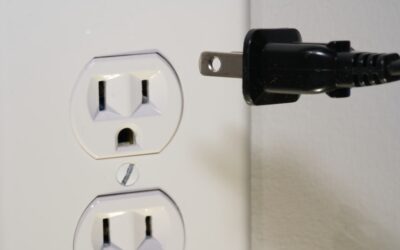
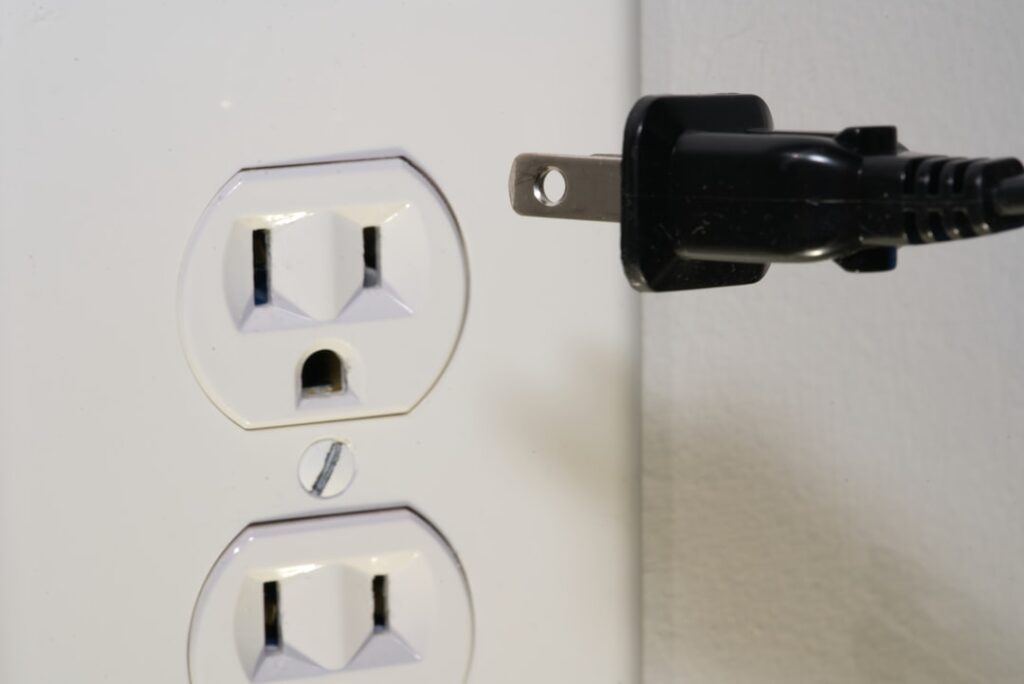
- Plug-in receptacle tester: Klein RT250 at $35 with GFCI test button, Sperry Instruments GFI6302 at $12 for basic.
For more involved work, add a digital multimeter. The Klein MM700 at $80 or the Fluke 117 at $200 reads AC voltage, DC voltage, continuity, resistance, and current. The Fluke is overkill for occasional DIY but lasts decades. The Klein meets the needs of most homeowners.
Wire Strippers and Cutters
Buy real wire strippers, not the plier-style ones from the dollar store. The teeth on cheap strippers nick the copper conductor, creating a stress point that can break or arc. The Klein Tools 11055 at $20 and the Irwin Vise-Grip 2078309 at $25 are the standard mid-grade picks. For high-volume work, automatic strippers like the Klein 11061 at $45 or the Knipex 12 62 180 at $60 strip in a single motion.
Add lineman’s pliers (Klein D213-9NE at $30) for general cutting, gripping, and twisting wire nuts. Diagonal cutters (Klein D248-8 at $22) handle small wire cuts in tight boxes where lineman’s pliers do not fit.
Screwdrivers and Drivers
You need both Phillips #1, #2, and #3, plus straight-blade screwdrivers in 1/8 and 1/4 inch widths at minimum. Insulated handles rated to 1000 V are worth the small upcharge if you do any work on energized circuits. Klein Tools makes a 7-piece insulated screwdriver set (33526) at $90 that covers the common sizes.
For receptacle and switch installation, a #2 Phillips driver bit in a cordless impact driver speeds work dramatically. The DeWalt DCF887 impact driver at $150 (bare tool) or $250 (kit with battery) handles thousands of receptacle terminal screws on a single charge. Use it on low torque settings to avoid stripping the brass screws on switches.
Conduit and Cable Tools
If you run conduit, you need a few specialized tools. A conduit bender for 1/2 and 3/4 inch EMT (Klein 51604 at $50) covers most residential work. Conduit reamers (Klein 85091 at $20) deburr cut conduit ends to protect wire insulation. A hacksaw with 32 TPI blade or a conduit cutter handles the cutting itself.
For Romex and other non-metallic sheathed cable, a Romex stripper (NM cable stripping tool, $10 to $20) speeds up sheathing removal without nicking the inner conductors. Klein and Greenlee both sell these.
Pulling and Fishing Tools
For running wire through walls and ceilings, you need fish tape or rods. Steel fish tape (Klein 56003 at $30 for 50 feet) handles most pulls. Fiberglass fish rods (Klein 56430 at $90 for a 30-foot kit) reach through insulated walls and tight ceiling cavities where steel binds.
Wire pulling lubricant (Polywater J at $15 a pint) makes long pulls through conduit possible. Plan on one pint per 50 to 100 feet of pull depending on conductor count and conduit fill.
Drilling and Cutting Holes
Running cable through studs and joists requires a good drill and the right bits. A cordless drill or hammer drill in the 18 V or 20 V class (DeWalt DCD777 at $130, Milwaukee 2701-20 at $140) handles residential drilling. For long-bit work like drilling through stacked studs, a right-angle drill (Milwaukee 2615-20 at $200) or D-handle drill with a Daredevil auger bit gives much better control.
Spade bits and auger bits in 3/4 to 1 inch sizes handle most wire pulls. Greenlee Nail Eater bits ($25 each) cut through hidden nails without breaking. For cutting old work boxes into existing drywall, a drywall jab saw ($10) does the job. For metal boxes in existing finished walls, an oscillating multitool with a metal-cutting blade is invaluable.
Personal Protective Equipment
Electrical work demands real PPE. The basics include:
- Safety glasses with side shields: $5 to $20
- Insulated work gloves rated 1000 V if working on energized circuits: $30 to $80
- Non-conductive rubber-soled work boots
- Hearing protection for cutting and drilling: foam plugs $1, earmuffs $20 to $40
- N95 respirator for attic and crawl space work: $2 each, $25 for a 20-pack
Add a hard hat in attics or basements with low-hanging obstacles. The total PPE investment is under $100 and pays back the first time it prevents an injury.
Layout, Measurement, and Marking
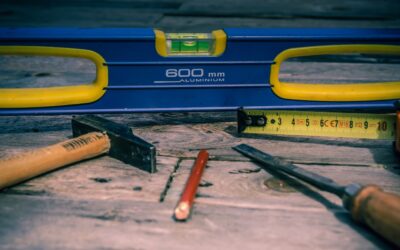
Accurate work needs accurate measurements. A 25-foot tape measure, a torpedo level, a stud finder (Franklin Sensors ProSensor 710 at $50, which finds entire stud edges rather than just centers), and a sharp pencil cover most layout tasks.
For receptacle and switch height layout, a manufactured spacing tool or a custom-cut 2×4 block at 16 inches off the floor gives consistent box heights across a room. Code requires receptacles at 12 to 18 inches typically, switches at 48 inches per ADA accessibility guidelines on commercial work.
Specialty and Optional Tools
Some tools come up rarely but matter when they do. A thermal imaging camera attached to your phone (FLIR ONE Pro at $400) finds heat from loose connections, overloaded circuits, and energized wires inside walls. A circuit breaker finder (Klein ET450 at $60) traces which breaker controls a specific outlet without trial and error.
For panel work, an insulated socket set rated 1000 V (Wiha 33390 at $200) lets you torque lug screws to the manufacturer spec safely. Most homeowners never need this, but if you upgrade a service panel or install a subpanel, the spec is in the NEC and a torque wrench prevents loose-connection fires that account for hundreds of structure fires annually per NFPA statistics. Build the list incrementally as projects demand, and prioritize testing tools before anything else.