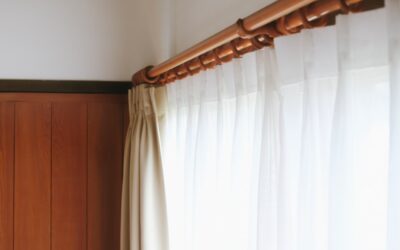
The right hardware can make ordinary curtains look custom and tailored, while the wrong choice leaves even expensive drapes looking sloppy. A well-chosen living room curtain rod sets the width, height, and weight capacity your window treatments need to hang beautifully. This guide covers how to size and mount a rod correctly, when to choose single versus double, which materials suit different drapes, and how to read weight ratings so your hardware never sags.
Why the Rod Matters More Than You Think
Curtain rods do far more than hold fabric; they shape how a window reads from across the room. A rod mounted too low or too narrow makes windows look small and curtains look skimpy. Extend the rod wider and hang it higher, and the same window suddenly feels grand and the ceilings taller.
Because the living room is often the largest, most-seen space in a home, getting the rod right pays off visually every day. The good news is that the rules are simple once you know them, and the hardware itself is inexpensive compared to the impact it delivers.
Sizing the Rod Correctly
Width is the first decision, and most people undersize it. The rod should extend 4 to 10 inches beyond the window frame on each side. This overhang, sometimes called stacking space, lets you pull curtains fully off the glass during the day so they frame the view instead of blocking it.
For a standard 36-inch window, that means a rod roughly 44 to 56 inches wide. Measure the window opening, add your chosen overhang to both sides, and buy a rod whose adjustable range covers that total. For very wide windows or heavy drapes, plan for a center support bracket to prevent the rod from bowing in the middle.
Choosing the Right Mounting Height
Height is where you create drama. Rather than mounting the rod right at the top of the window frame, raise it 4 to 6 inches above the frame to draw the eye upward. In rooms with tall ceilings, you can go further and mount near the ceiling or about two-thirds of the way up the wall above the window for a dramatic, floor-to-ceiling look.
Pair the height with curtains long enough to reach the floor. Curtains should either just kiss the floor, break slightly with about an inch of fabric pooling, or puddle generously for a soft look. Curtains that float several inches above the floor look unfinished, so always measure from your intended rod height down to the floor before buying panels.
Single Versus Double Rods
One of the bigger choices is whether to use a single rod or a double rod system. Each suits different goals.
- Single rod: Holds one layer of curtains, ideal when you want simple privacy or a clean, minimal look with a single set of panels.
- Double rod: Mounts two rods on a single bracket, letting you layer sheer curtains behind heavier drapes. This combination filters light during the day and blocks it at night, a popular setup for living rooms.
If you love flexibility, a double rod is worth the small extra cost. It lets you adjust light and privacy through the day without committing to one fabric weight, and the layered look adds depth that a single panel cannot match.
Materials and Finishes
Rods come in several materials, each with a different look and strength. Match the finish to your room’s metals and overall style for a cohesive result.
Metal Rods
Steel, iron, and aluminum rods are the strongest, handling heavy drapes without bending. Finishes like brushed nickel, matte black, and antique brass coordinate with your light fixtures and cabinet hardware. Metal is the go-to for wide spans and heavy fabrics.
Wood Rods
Wooden rods bring warmth and a traditional feel, working well in rooms with wood furniture or trim. They come stained or painted and pair naturally with classic finial styles. For very long windows, wood can sag, so add center supports.
Finials and Brackets
The finials, the decorative end caps, set the personality of the rod, from simple balls to ornate scrolls. Brackets anchor everything to the wall, and their quality matters as much as the rod itself. Choose sturdy brackets and, for heavy curtains, ones that screw into wall studs or use proper anchors.
Understanding Weight Ratings
Every rod has a practical limit to how much fabric it can support, and ignoring it leads to a sagging, bowed line. Lightweight tension rods and thin telescoping rods suit sheers and light cotton panels only. Heavier velvet, lined, or blackout drapes can weigh several pounds per panel and demand a thicker rod with strong brackets.
As a rule, the wider the window and heavier the fabric, the larger the rod diameter you need, often 1 inch or more, plus a center support bracket on spans over about 48 inches. Always check the manufacturer’s stated weight capacity and mount brackets into studs or with heavy-duty wall anchors when hanging substantial drapes.
Installation Tips
Good measuring beats good guessing every time. Follow a simple order to get a level, secure result.
- Mark your rod height, 4 to 6 inches above the frame or higher for drama.
- Measure your overhang and mark bracket positions evenly on both sides.
- Use a level to confirm the marks line up across the window.
- Anchor brackets into studs where possible, or use rated wall anchors in drywall.
- Add a center bracket for spans over about 48 inches or for heavy drapes.
Final Thoughts
A living room curtain rod is small hardware with an outsized effect on how your space looks and feels. Extend it 4 to 10 inches past the frame, mount it 4 to 6 inches above the window or near the ceiling for height, and match the material and weight rating to your drapes. Get those fundamentals right, choose between single and double based on how you want to control light, and your curtains will hang like they were made for the room.