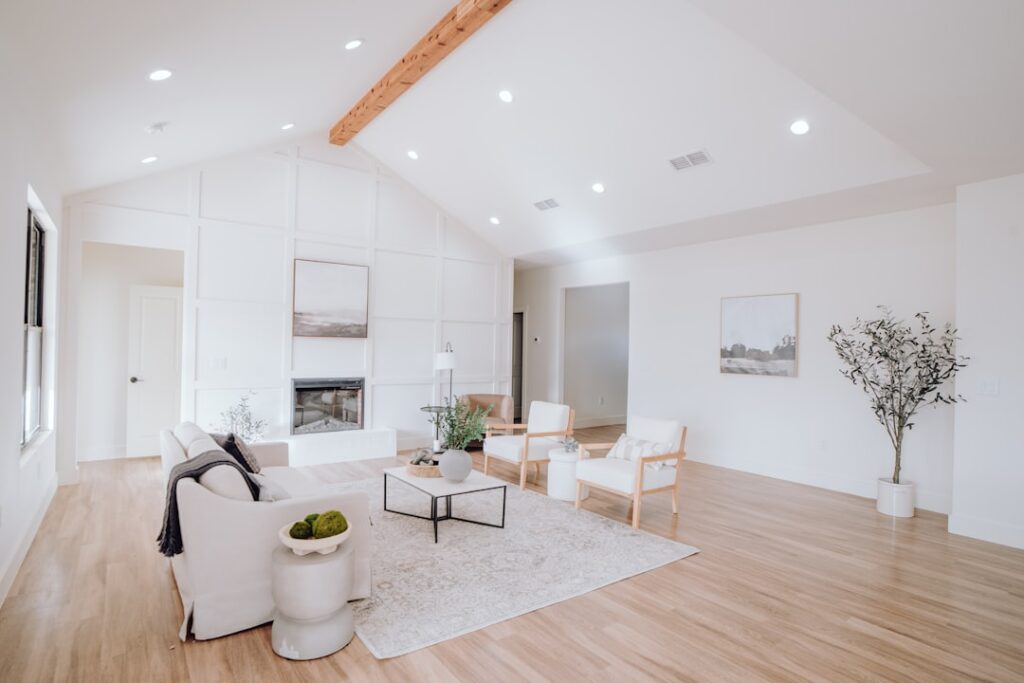
The living room is where families spend the most waking hours at home, which makes it the room where a renovation pays off most in daily comfort. A thoughtful living room renovation can run anywhere from a $2,000 refresh to a $50,000 gut remodel, and knowing where your project falls keeps expectations and spending in check. The key is deciding early whether you are updating finishes, reworking the layout, or doing both. This guide walks through planning, budgeting, the major work categories, and the order of operations that keeps a renovation on track.
Define Your Scope First
Before touching a paint can, decide how far you are going. Renovations fall into three broad tiers, and clarity here prevents budget creep.
- Cosmetic refresh: Paint, lighting, flooring, and decor. Roughly $2,000 to $8,000.
- Mid-level remodel: New flooring, built-ins, updated fireplace, maybe a wall removed. $8,000 to $25,000.
- Full renovation: Structural changes, new windows, electrical, and high-end finishes. $25,000 to $50,000+.
Knowing your tier shapes every later decision, from whether you need permits to whether you hire a general contractor or DIY the weekend work.
Set a Realistic Budget
Money discipline makes or breaks a renovation. Build your budget from itemized line items, not a single round number, and always reserve 15 to 20 percent for surprises like hidden water damage or outdated wiring.
Spend strategically on what you touch and see daily. Quality flooring and comfortable seating earn their cost, while you can save on decor and accent pieces. If the budget is tight, phase the work, doing flooring and paint first, then adding built-ins or a fireplace upgrade later as funds allow.
Flooring Sets the Foundation
New flooring transforms a living room more than almost any other change, and it is best done early before furniture and trim go in. Your choice balances durability, comfort, and budget.
Engineered hardwood ($6 to $12 per square foot installed) brings warmth and resale value. Luxury vinyl plank ($3 to $7) is nearly indestructible and pet-friendly. Plush carpet ($3 to $6) adds cozy softness for media and family rooms. Area rugs over hard flooring let you change the look seasonally. Whatever you pick, flooring is a foundational decision that everything else builds on.
Lighting and Electrical
Living rooms are notoriously under-lit, relying on a single overhead fixture. A layered lighting plan is one of the highest-impact upgrades you can make. Combine three types for flexibility.
- Ambient: Recessed cans or a central fixture for overall illumination.
- Task: Floor and table lamps for reading nooks.
- Accent: Wall sconces or LED strips to highlight art and shelving.
Add dimmer switches throughout for under $20 each; they let one room shift from bright and functional to warm and relaxed. If you are opening walls anyway, add outlets and pre-wire for a TV and sound system.
Walls, Color, and Architectural Detail
Paint is the cheapest dramatic change available, but architectural detail is what makes a room feel custom. Crown molding, wainscoting, a board-and-batten accent wall, or a refaced fireplace add character that paint alone cannot.
Choose a cohesive palette: a neutral base on the walls with two or three accent colors carried through textiles and decor. Warm whites and soft greiges remain reliable, flexible backdrops. If you want a statement, a single dark accent wall behind the sofa or media unit adds depth without overwhelming the space.
Layout and Furniture
A great renovation is wasted on a poor layout. Arrange seating to encourage conversation, typically with sofas and chairs facing each other rather than all pointed at the TV. Keep walkways at least 30 to 36 inches wide.
Anchor the room with an appropriately sized rug; the front legs of major seating pieces should sit on it. If you removed a wall to open the space to a kitchen or dining area, use furniture groupings and rugs to define each zone. Scale matters, so measure before buying and avoid crowding a small room with oversized pieces.
DIY vs. Hiring a Contractor
Deciding what to do yourself versus what to hire out shapes both your budget and your timeline. Cosmetic work like painting, installing peel-and-stick or floating flooring, hanging fixtures, and styling is well within reach for most homeowners and saves thousands in labor.
Structural changes, electrical rewiring, and gas fireplace work belong to licensed pros, both for safety and for code compliance. A middle path is to act as your own general contractor, hiring specialized trades directly and coordinating them yourself, which can save 10 to 20 percent over a full-service GC. Be honest about your skills and time; a botched DIY often costs more to fix than hiring it right the first time.
Adding Value vs. Personal Taste
If resale matters, weigh how your choices affect home value. Neutral flooring, fresh paint, and improved lighting appeal broadly and tend to return a good share of their cost. Bold, highly personal choices like a bright accent color or unusual built-ins please you now but can narrow buyer appeal later.
A smart compromise is keeping permanent, expensive elements neutral while expressing personality through easily changed items like throw pillows, art, and rugs. That way the room feels like yours without locking in a look that hurts resale down the road.
The Right Order of Operations
Sequencing keeps a renovation efficient and prevents redoing finished work. Tackle the project in this order: structural changes and permits first, then electrical and any wall work, followed by painting, then flooring, and finally lighting fixtures, furniture, and decor. Working top down and rough-to-finished means you never damage new surfaces with later messy work. Plan the phases, hold a contingency fund, and your living room renovation will deliver a space your family enjoys for years rather than one that drained the budget on surprises.