The laundry room is the most-used utility space in the house and almost always the most neglected. A proper laundry room renovation in 2026 runs $4,500 to $18,000 depending on layout changes and finish levels, and the return on quality of life is genuinely outsized — you stop dreading laundry day. Below I cover layout templates, plumbing realities, finish materials that handle the humidity, and the specific products that solve the chronic problems every laundry room has.
- Why Laundry Rooms Earn Their Renovation Budget
- Three Layouts That Solve Real Problems
- Real Cost Breakdown by Scope
- Flooring That Handles Wet, Hot, and Heavy
- Storage That Actually Solves the Clutter Problem
- Appliances and the Pedestal Question
- Plumbing, Venting, and Code Requirements
- Final Punch List Before You Sign Off
Why Laundry Rooms Earn Their Renovation Budget
The average American household runs 8 to 10 loads per week, which means whoever does laundry spends roughly 6 hours weekly in this room. That is more time than most people spend in the dining room or guest bath, yet laundry spaces routinely get builder-grade vinyl flooring, painted MDF wire shelving, and zero counter space. A renovation here pays back daily.
The 2025 NAR Remodeling Impact Report ranked laundry room renovations at an 87 Joy Score (out of 100) — higher than primary bedroom remodels and just below kitchen renovations. Resale recovery is moderate (about 60 to 65 percent of cost), but the daily life dividend is one of the best in residential remodeling.
Three Layouts That Solve Real Problems
The footprint dictates layout. Three configurations cover most American laundry spaces:
- Closet laundry (3 to 5 ft wide) — stacked front-load washer and dryer with a shelf and rod overhead; minimum 27 inches deep including doors
- Galley laundry (5 to 7 ft wide, 8 to 12 ft long) — side-by-side machines along one wall with counter, sink, and tall storage along the opposite wall
- Mudroom-laundry combo (8 ft or wider) — full laundry plus bench seating, lockers or cubbies, drop zone for keys and mail, optional dog wash station
For new construction or full gut remodels, aim for at least 40 sq ft and a 3-foot clear aisle if you want a folding counter. Anything tighter forces you to fold on top of a vibrating machine, which is exactly the problem most renovations are trying to solve.
Real Cost Breakdown by Scope
The 2026 cost ranges by scope across the US:
- Cosmetic refresh (paint, flooring, fixtures, shelving) — $1,500 to $4,000
- Mid-range renovation (cabinets, countertops, new appliances, sink) — $6,000 to $12,000
- Full renovation with layout change and plumbing relocation — $12,000 to $25,000
- Addition or carve-out from adjacent space — $18,000 to $45,000 plus permits
Plumbing relocation is the single biggest cost driver. Moving the washer hookup more than 6 feet from existing lines typically adds $1,200 to $3,500. Adding a utility sink where none exists adds $900 to $2,200 including faucet and trap. Venting a new gas dryer to a new exterior wall location runs $400 to $900 in materials and labor.
Flooring That Handles Wet, Hot, and Heavy
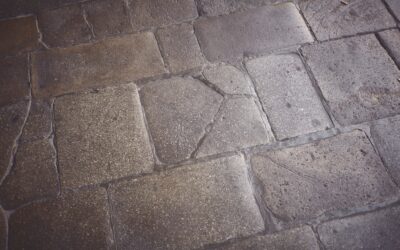
The laundry room sees the most punishing flooring conditions in the house: water leaks, heat from the dryer vent, 200-pound vibrating appliances rolling on casters during repositioning, and bleach spills. Three flooring categories consistently survive:
- Porcelain tile — $5 to $14 per sq ft installed; absolutely waterproof, indifferent to heat and bleach. Use a 12×24 large format with 1/8-inch joints and epoxy grout
- Rigid-core SPC luxury vinyl — $4 to $8 per sq ft installed; waterproof, warmer than tile, much faster install. Choose 6mm-plus with 20-mil wear layer
- Sheet vinyl — $2.50 to $5 per sq ft installed; the workhorse value pick, fully waterproof at all seams when heat-welded by a pro
Avoid laminate (water destroys it), hardwood (humidity buckles it), and carpet (mildew). Slope the floor 1/4 inch toward a floor drain if budget allows — at $400 to $900 to add a drain during renovation, this single feature pays back the first time a supply hose bursts.
Storage That Actually Solves the Clutter Problem
Three storage zones make every laundry room work harder:
- Above the machines — open shelves at 60 to 72 inches for detergents (best on adjustable cleats so you can move them as bottle sizes change)
- Tall pantry-style cabinet — 18 to 24 inches wide, full-height, with pull-out hampers (white, darks, towels) at the bottom and shelving above
- Counter zone — at least 24 inches of flat surface for folding, ideally above the machines on a quartz remnant ($150 to $400 for a small piece)
The single best upgrade most laundry rooms can make is a wall-mounted drying rack. The Walmart and Amazon $30 versions are flimsy; the IKEA PRESSA wall-mounted rack ($25) or the Ballard Designs accordion-style rack ($129) hold real weight and fold flat when not in use. Add a 60-inch length of closet rod over the sink for hanging shirts straight from the washer to avoid the dryer entirely.
Appliances and the Pedestal Question
Front-load washer and dryer pairs in 2026 average $1,400 to $2,800 each from Samsung, LG, and Whirlpool, with the higher end (Miele, Bosch, Speed Queen) running $1,800 to $4,500 per machine. Speed Queen specifically deserves attention for laundry rooms — their commercial-grade TR7 top-load washer ($1,649) and DR7 dryer ($1,449) carry 5-year all-parts warranties and are designed for 10,400 lifetime cycles versus 2,500 to 3,500 on consumer brands.
Pedestals (the 12 to 15-inch storage drawers below front-loaders) run $300 to $450 each new. They raise the door height by 13 to 15 inches, which dramatically reduces back strain when loading. The drawer storage is genuinely useful for laundry pods, dryer sheets, and stain treatments. The catch — pedestals can amplify vibration on uneven floors, so level the machines obsessively after install or you will hear the spin cycle from across the house.
Plumbing, Venting, and Code Requirements
Modern washing machines need a recessed wash box (Sioux Chief, Oatey models around $35 to $75) recessed into the wall behind the machine. This holds the supply valves and the standpipe drain flush with the drywall so the machine can slide back against the wall. Standpipe height must be 18 to 30 inches above the trap weir per IPC code, and the trap arm cannot exceed 3 feet horizontally. A 2-inch standpipe is now standard; 1.5-inch is grandfathered in older homes but no longer code-compliant for high-efficiency washers that move 16 to 20 gallons per minute on drain.
Dryer venting is the second hidden danger. The vent run from machine to exterior cap should be no more than 25 feet for a typical residential dryer, deducting 5 feet per 90-degree elbow. Use rigid metal duct (4-inch round galvanized), never the flexible plastic accordion stuff still sold at hardware stores — it traps lint and causes roughly 2,900 home dryer fires per year per NFPA data. Clean the full duct annually with a dryer vent cleaning kit ($30 from Gardus) or hire a pro for $90 to $150.
Final Punch List Before You Sign Off
The walkthrough items that catch real problems: turn on both supply valves and check for drips at every connection; run a full wash cycle and listen for any rattling or vibration that suggests an unlevel machine; verify the dryer exhausts within 60 seconds of starting (hold tissue paper at the exterior vent cap); confirm the GFCI outlet behind the washer trips when tested; check that the laundry room door clears the new flooring with 3/4 inch margin. Get all of these documented in writing before final payment.