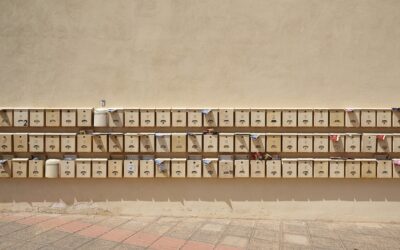
Mail theft rarely involves a crowbar. Most stolen mail is simply lifted from an unlocked box overnight, which is why even a modest locking mailbox stops the majority of casual thieves. The harder question is how much security you actually need, whether your carrier will deliver to it, and how to mount it so the whole box cannot be pried off or pulled out of the ground.
Locking boxes range from simple keyed doors on standard curbside boxes to heavy duty mailbox designs with thick steel bodies, anti-pry doors and baffled slots that block fishing. For most homes, a medium-security steel box on a well-anchored post is the sweet spot. Higher-security models make sense if your area has a history of theft, you receive checks or medication by mail, or packages are regularly taken.
- What Makes a Locking Mailbox Secure
- Slot Size and Capacity
- Postal Approval in General Terms
- Mounting Options: Post, Pedestal and Wall
- How to Install a Locking Mailbox on a Post
- Choosing Between Curbside, Wall and Parcel Designs
- Security Habits That Complement the Lock
- Troubleshooting
- Cost Ranges
- When to Call a Pro
- Frequently Asked Questions
What Makes a Locking Mailbox Secure
Security comes from the combination of body, door, lock and slot. A strong lock on thin sheet metal is little better than no lock, because a screwdriver can peel the door. Look at each part:
- Body gauge: heavy duty metal mailbox bodies use thicker steel, often 14 to 16 gauge or heavier, with welded seams rather than crimped ones.
- Door and hinge: full-length or concealed hinges and doors that overlap the frame resist prying. Exposed hinge pins should be peened or secured.
- Lock: a quality cam lock or a high-security pin tumbler with a hardened face. Combination locks avoid lost keys.
- Slot and baffle: an incoming slot with an internal baffle or rotating drum stops hands and tools from reaching the mail pile.
- Finish: powder coat or galvanizing keeps rust from weakening the box over time.
Security Levels
Basic: standard curbside box with a keyed door and open slot. Deters opportunists only.
Medium: heavier steel, baffled slot, reinforced door. Fits most residential needs.
High: thick steel, anti-pry construction, drop-drum slot, hidden fasteners, and mounting that cannot be unbolted from outside the box.
Slot Size and Capacity
A slot that is too small forces your carrier to leave flats and small packages on the ground or return them to the post office. A slot that is too large invites fishing. Most residential locking boxes have incoming slots about 1 to 2 inches tall and 10 to 12 inches wide, which fits letters, magazines and folded catalogs. If you receive many small parcels, look at oversized boxes with larger drop compartments or a separate parcel locker.
Capacity matters too. If you travel often, a box with deep storage avoids overflow that tells everyone the house is empty. Check the interior dimensions against a week of your typical mail.
Postal Approval in General Terms
Curbside mailboxes sold in the US are often marked as approved by the Postmaster General, meaning the design meets federal standards for size, construction and carrier access. Locking boxes have their own considerations because the carrier must be able to deliver without a key, usually through the slot. That is why so many shoppers look specifically for postal-approved residential mailboxes with locks: they want a box their carrier can actually use without extra steps.
Requirements and preferences vary by route, so confirm with your local post office before buying, especially for oversized or wall-mounted locking designs, cluster boxes, or if you are changing from a curbside box. Your local office can also confirm mounting height and setback from the road.
Mounting Options: Post, Pedestal and Wall
Locking mailbox and post combinations often come as a matched kit with a steel post and base plate. Lockable mailbox with post sets are convenient because the mounting holes and brackets line up. Other options include:
- In-ground steel or wood post: set 18 to 24 inches deep with gravel and a concrete collar where appropriate.
- Surface-mount base plate: bolted to a concrete pad with anchor bolts, common for pedestal boxes.
- Mailbox post anchor: a driven or set socket that holds the post so it can be replaced without new digging.
- Wall mount: for porch delivery, fastened into studs or masonry from inside the locked compartment so bolts cannot be removed from outside.
Keep roadside safety in mind. Extremely rigid supports near traffic can be hazardous to drivers, and some road authorities recommend breakaway-style posts. Check local guidance if your box sits close to a busy road.
How to Install a Locking Mailbox on a Post
- Call 811 first. Request utility locating a few business days before digging. Roadside strips often carry gas, power, water and communication lines.
- Confirm placement with your local post office for height and setback, and check any HOA rules.
- Dig the hole 18 to 24 inches deep and about three times the post width. Add 4 to 6 inches of gravel for drainage.
- Set the post plumb using a level on two faces. Brace it temporarily.
- Backfill with tamped soil or set the post in concrete, sloping the top away from the post. For a bolt-down base, pour a pad and set anchor bolts per the kit template.
- Mount the box using the supplied bracket. Drive fasteners from inside the locked compartment where possible.
- Test the lock and slot with a magazine and a padded envelope before mail arrives.
Choosing Between Curbside, Wall and Parcel Designs
The right locking mailbox depends on how mail reaches your home. Curbside delivery means a post-mounted box at the road, and that is where most theft happens because the box sits away from the house and out of view. A heavy, baffled curbside box anchored in concrete is the best defense. Porch or door delivery opens the option of a wall-mounted locking box, which is easier to watch and less exposed to vehicle strikes or plows.
Package volume changes the math. If you receive several parcels a week, a combination unit with a separate parcel drop keeps boxes out of sight. These units are taller and heavier, so they usually need a bolt-down base on a concrete pad or a substantial in-ground post rather than a simple 4×4.
Finally, think about who needs access. Families with several adults may prefer a combination lock so nobody has to track spare keys. Rental properties benefit from replaceable lock cylinders that can be swapped between tenants for a small cost.
Security Habits That Complement the Lock
Even the best locking box works better when paired with good habits. Collect mail daily when you can, and use the post office’s hold service during travel instead of letting the box fill up. Avoid placing outgoing checks or bill payments in a curbside box with the flag up; carry them to a post office or blue collection box instead. Sign up for any digital mail preview service available in your area so you know what should be arriving. If a box shows pry marks or a damaged lock, report it to your local post office and replace the lock promptly.
Troubleshooting
Key turns but door stays shut: the cam is misaligned or the lock is loose. Tighten the lock nut and adjust the cam so it clears the frame.
Lock is stiff: use a dry graphite lubricant, not oil, which attracts grit.
Mail jams in the slot: the baffle may be bent or the box overfilled. Straighten the baffle or empty more often.
Box wobbles on the post: tighten mounting bolts, add lock washers, and check that the post itself is solid.
Lost key: many locks are replaceable cylinders. Order a replacement lock that fits the same cutout instead of replacing the box.
Cost Ranges
Basic keyed curbside boxes are budget-friendly. Medium-security steel boxes with baffled slots generally fall in the low to mid hundreds of dollars, and high-security or large parcel-capable models can go higher. Posts, anchors and concrete add modest amounts. Professional installation varies with soil, removal of an old post and whether a concrete pad is needed.
When to Call a Pro
Hire a handyman or fencing contractor for rocky ground, removal of an old concrete footing, or a heavy pedestal box that needs a poured pad. Call a pro if utility marks are close to your planned hole, and never dig near marked lines yourself. If your neighborhood is moving to cluster mailboxes, coordinate with the post office and your HOA before buying anything.
Frequently Asked Questions
Will my mail carrier deliver to a locking mailbox?
Usually yes, as long as the slot accepts mail without a key and the box meets local placement requirements. Confirm with your local post office before installing.
What does postal approval mean for a mailbox?
It generally means the design meets federal standards for size, construction and carrier access. Your local post office can confirm whether a specific locking design works on your route.
What slot size should a locking mailbox have?
Many residential models use slots about 1 to 2 inches tall and 10 to 12 inches wide. Choose a larger drop or parcel compartment if you receive many small packages.
Do I need to call 811 before setting a mailbox post?
Yes. Request utility locating a few business days before digging, since buried lines commonly run along the roadside.
How do I stop someone from pulling the whole box off?
Choose a heavy duty mailbox with fasteners accessible only from inside the locked compartment, and anchor the post or base plate firmly in concrete or a solid anchor.
Can I lubricate a stiff mailbox lock?
Yes. Use dry graphite lubricant. Oil-based products collect dust and can make the lock worse over time.