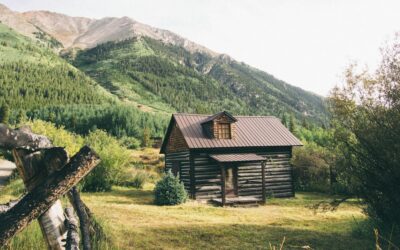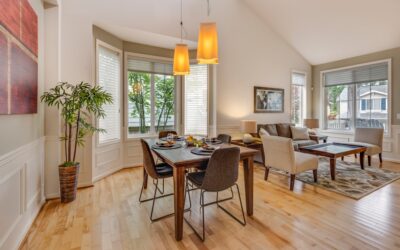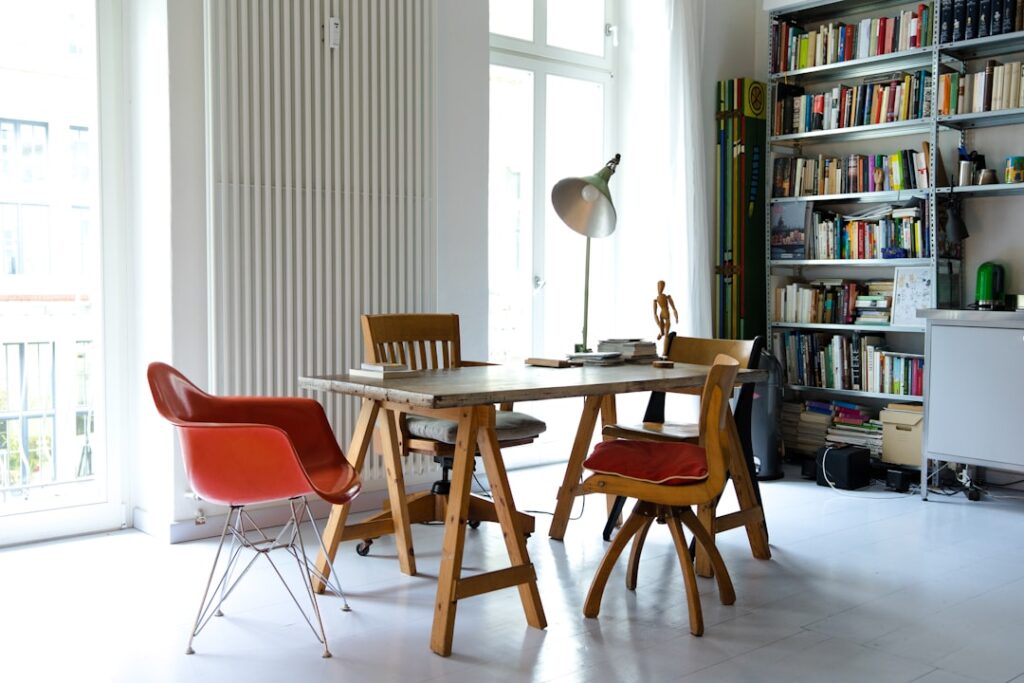
The flooring choice in a log cabin matters more than in a typical home because it has to compete visually with massive log walls, stone fireplaces, and exposed ceiling beams. Pick wrong and the floor disappears or fights the architecture. Pick right and it grounds the entire room. Log cabin flooring ideas live in a different design language than suburban homes, and this guide walks through the materials that actually fit cabin life — including the moisture and traffic realities that ruin most builder-grade choices.
- What Cabin Floors Have to Handle
- The Material Categories That Actually Work
- Wide-Plank Pine: The Classic Cabin Floor
- Pros of Cabin-Appropriate Flooring
- Cons That Catch New Cabin Owners
- Hickory: The Modern Cabin Workhorse
- Reclaimed Wood for the Real Statement
- Stone Around the Stove
- Real Cost Numbers
- Installation Steps That Hold Up
- Maintenance That Suits Cabin Life
What Cabin Floors Have to Handle
Cabins, whether full-time or weekend, see a tougher service profile than most primary residences. Snow and mud get tracked in by the boot. Indoor humidity swings between 25% in winter (from wood stoves) and 65% in summer. Pets, kids, fishing gear, and firewood all hit the floor. Many cabins also sit empty for weeks at a time, so the flooring must tolerate temperature and humidity extremes without active climate control.
Standard 3/4 inch site-finished red oak — the default in most American homes — does not actually hold up well in this environment. Cupping, gapping, and checking are common within three years.
The Material Categories That Actually Work
Five flooring families dominate cabin builds for a reason. Each has trade-offs but each survives.
- Wide-plank softwood (white pine, eastern hemlock, fir) — historically authentic, $4 to $9 per sq ft material
- Reclaimed wood (barn floors, pickle vats, factory beams) — $8 to $22 per sq ft material
- Hickory or character-grade hardwood — durable and rustic, $5 to $11 per sq ft material
- Engineered wide-plank with rustic finish — handles humidity swings better than solid, $7 to $13 per sq ft
- Slate or flagstone in entries and around wood stoves — $5 to $14 per sq ft material
Wide-Plank Pine: The Classic Cabin Floor
Eastern white pine in 8 to 12 inch wide planks is the floor most people picture when they imagine an old American cabin. It is soft (Janka 380), shows every scratch and dent, and develops a warm patina that no other species replicates. The dings are part of the look — owners who try to keep pine perfect end up frustrated.
Specify face-nailed or hand-pegged pine for the most authentic look. Modern tongue-and-groove versions install faster and look almost as good, but the visible square-cut nails on traditional plank floors carry historical weight that cabin owners often want.
Finish with a hard-wax oil (Rubio Monocoat, Osmo Polyx-Oil) rather than polyurethane. Oil finishes show wear evenly and refresh easily without full sand-and-recoat.
Pros of Cabin-Appropriate Flooring
Picking right makes the whole interior feel correct.
- Visual harmony with logs, stone, and rustic timbers — modern flooring fights the architecture
- Patina-friendly — softer woods and reclaimed planks improve with age
- Pets and gear-tolerant when finished with oil instead of poly
- Easier repairs on plank floors — single-board replacements are common in cabin maintenance
- Resale appeal in vacation markets where authenticity matters
Cons That Catch New Cabin Owners
Authentic cabin flooring requires accepting some imperfections that suburban homeowners would not.
Soft wood floors dent. A dropped Dutch oven, a dragged chair, a dog with claws — every event leaves a mark. The right mindset treats this as character. The wrong mindset spends weekends sanding out marks that come back within a month.
Wider planks move more with humidity. A 10 inch white pine plank can shrink and swell 1/8 inch across its width seasonally. Solid wide-plank floors must be installed with that movement in mind, often with face-nailed boards that allow some shifting.
Reclaimed wood is unpredictable. Old barn floors come with embedded nails, rot pockets, and inconsistent thickness. Plan for 15 to 25% material waste on reclaimed orders versus 8 to 10% on new lumber.
Hickory: The Modern Cabin Workhorse
If pine feels too delicate but you want rustic character, hickory is the answer. Janka 1,820 makes it harder than oak, and the dramatic grain variation (light sapwood next to dark heartwood in the same board) reads as authentically rustic without trying. Character-grade hickory with knots, mineral streaks, and natural cracks fits cabin aesthetics better than clear-grade pickup-floor hickory.
Engineered hickory is increasingly common in cabins because the plywood core handles humidity swings better than solid 3/4 inch lumber. A 5/8 inch engineered hickory with 4 mm wear layer can be sanded twice and lasts 40+ years.
Reclaimed Wood for the Real Statement
Reclaimed barn floors and old factory beams carry visual depth that no new wood can match. Companies like Mountain Lumber, Carlisle Wide Plank, and Elmwood Reclaimed Timber specialize in cabin-appropriate reclaimed stock.
The premium runs $8 to $22 per sq ft material, but the look is genuinely irreplaceable. Plan for additional install time — reclaimed boards are rarely uniform thickness, so floor leveling adds 15 to 25% to install labor.
Stone Around the Stove
Almost every cabin has a wood stove, fireplace, or pellet stove, and the flooring around it should be non-combustible. Slate, flagstone, or large-format porcelain in a 5 to 7 ft hearth zone meets fire code in most jurisdictions and looks intentional in a cabin layout.
Use cleft slate or natural-cleft flagstone (not honed) for slip resistance when wet boots come in from snow. Welsh slate, Montauk Black, and Pennsylvania bluestone all work. Limit the stone zone to the actual hearth area — running it across an entire cabin great room creates an oppressive cold zone.
Real Cost Numbers
Cabin flooring runs more than typical residential because the looks come from premium materials. Working budgets:
- New wide-plank pine, oiled finish: $9 to $14 per sq ft installed
- Character-grade hickory, prefinished: $9 to $15 per sq ft installed
- Engineered wide-plank rustic oak: $11 to $18 per sq ft installed
- Reclaimed barn floor: $14 to $32 per sq ft installed
- Hearth-zone slate: $13 to $24 per sq ft installed
Installation Steps That Hold Up
Cabins demand more aggressive moisture and movement planning than typical homes.
- Acclimate flooring 21+ days in the install space at the cabin’s typical winter humidity
- Use a moisture barrier over crawlspaces — many cabins sit on dirt or concrete piers without proper vapor control
- Specify face-nailed wide planks or floating engineered systems with 3/4 inch perimeter gap
- Avoid full-coverage glue-down on solid wide planks; movement will tear adhesive bonds
- Run boards parallel to the longest cabin wall for visual continuity
Maintenance That Suits Cabin Life
Oil-finished wood is the right answer for most cabin owners. Bona NaturalSeal or Rubio Monocoat refreshes look easy with a buffer and a maintenance oil — no sanding needed. Polyurethane requires full sand-and-recoat every 7 to 10 years and is unforgiving of seasonal humidity swings.
Keep entry mats inside and out, run a humidifier in winter to keep RH above 30%, and accept the patina. The cabin floor that looks best at 25 years is the one you stopped fighting after year two. That mindset is the secret behind every great log cabin flooring decision.
Prefer to explore on your own?
See how new flooring looks in your actual room in seconds — free, no signup.
Try the free Floor Studio →