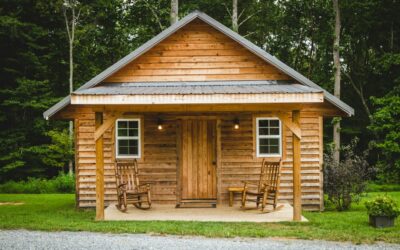
The reason people fall in love with log homes is the same reason a remodel scares them: that rugged, hand-hewn character is hard to replicate and easy to ruin. A thoughtful log cabin remodel walks a fine line, bringing the comfort, efficiency, and function of a modern home to a structure that was often built with very different priorities. Whether you have inherited a vintage hunting cabin or bought a dated 1980s log home, the goal is the same: update what fails you while protecting the warmth and soul that made you choose logs in the first place.
Start With the Logs Themselves
Before you touch a kitchen or bathroom, assess the actual structure. Logs are the building, the insulation, and the finish all at once, so their condition drives everything. Walk the exterior and probe for soft spots with a screwdriver, especially on the lower courses, around windows, and anywhere water sheds. Rot, insect damage, and checking, the natural cracks that open as wood dries, are all common and mostly fixable.
Minor rot can be cut out and patched with epoxy wood filler or a Dutchman repair, where a matching piece of log is spliced in. Severely compromised logs may need replacement, which is specialized work best left to a log-home contractor. Get the structure sound first; everything else is cosmetic by comparison.
Chinking and Sealing
Chinking, the flexible sealant between logs, is the single most important maintenance item on a log home, and old cabins almost always need it redone. The old cement-based mortar chinking common in historic cabins cracks and falls out, letting in drafts, water, and insects. Modern synthetic chinking is elastic, bonds to the logs, and flexes as the wood moves through the seasons.
Plan to rake out failed chinking, clean the gaps, and apply fresh sealant with a backer rod to control depth. Pair this with a quality log stain and a clear topcoat to protect against UV and moisture. Done well, resealing dramatically cuts drafts and is often the highest-payback step in the whole remodel.
Improving Energy Efficiency
Many older cabins are cold, and logs alone are not the insulators people assume. While solid wood has decent thermal mass, the real losses come from gaps, single-pane windows, and uninsulated roofs and floors. Replacing original windows with double-pane units, sealing the chinking, and adding insulation in the roof and crawl space transform comfort and slash heating bills.
Be careful not to wrap log walls in interior drywall and insulation everywhere, since that buries the very feature you bought. Instead, focus efficiency work on the roof, floor, windows, and air sealing, leaving the interior log walls exposed where they belong.
Updating Kitchens and Bathrooms
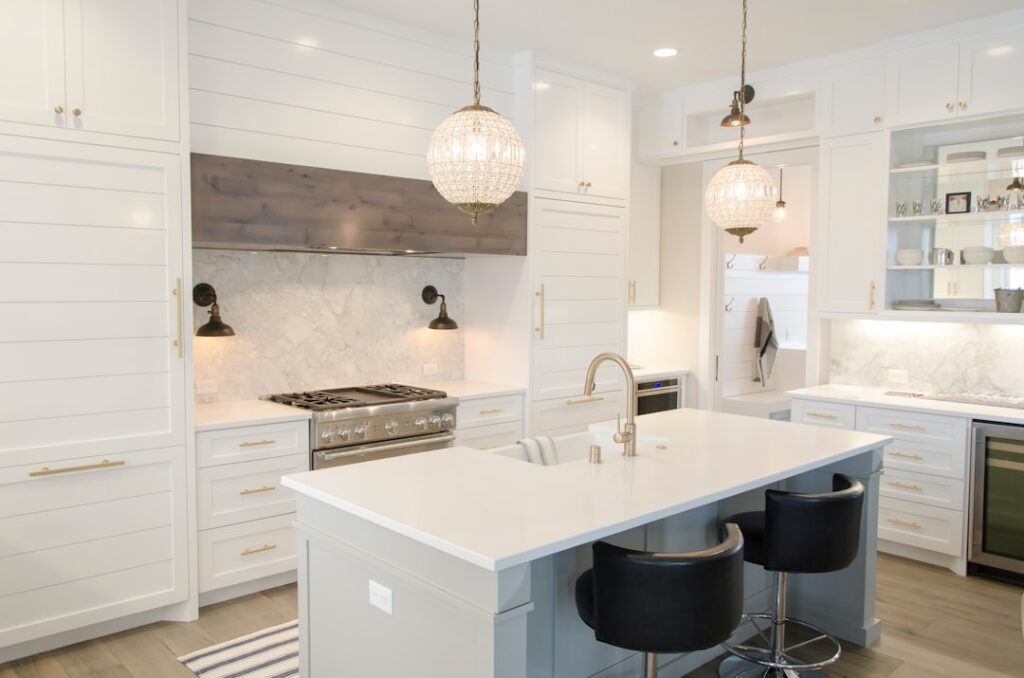
This is where most remodel budgets go, and where you can introduce genuine modern function. The trick is choosing finishes that complement the logs rather than fight them. Soapstone or butcher-block counters, copper or matte-black fixtures, and shaker or rustic cabinetry sit comfortably against log walls. Stone or slate tile grounds a bathroom and stands up to moisture better than the cabin’s original surfaces.
In bathrooms especially, pay attention to moisture management. Logs and steam are not friends, so a properly vented exhaust fan and waterproof surfaces around showers protect the structure. A modern walk-in shower with a stone surround can look entirely at home in a cabin while solving the cramped, dated layout of the original.
Flooring and Interior Finishes
Original cabin floors are often wide-plank pine, worn but salvageable. Sanding and refinishing them preserves authenticity and saves money. If the floors are beyond rescue, wide-plank engineered hardwood or a rustic luxury vinyl plank delivers the look with more durability and moisture tolerance, a smart pick for mountain cabins that sit unheated for stretches.
For interior finishes, let wood be the star. Add warmth with iron hardware, leather, wool textiles, and stone around the fireplace. Resist the urge to paint logs; once you do, you cannot undo it, and you lose the natural grain that gives the cabin its identity.
Modern Comforts Worth Adding
A great remodel quietly tucks contemporary systems into a rustic shell. Consider these upgrades that improve livability without disturbing the look:
- A high-efficiency wood stove or a modern gas insert in the original fireplace.
- Mini-split heat pumps for quiet, zoned heating and cooling that need no ductwork.
- Updated electrical and a panel upgrade, often essential in older cabins.
- Hidden modern lighting on dimmers to layer warm light through exposed-beam rooms.
- A metal roof, which sheds snow, lasts decades, and suits the rustic aesthetic.
Budgeting and Phasing the Work
Log cabin remodels carry costs that conventional homes do not, so a realistic budget and a smart sequence keep the project on track. Structural and weatherproofing work, log repair, chinking, staining, and roof or window upgrades, should always come first, because cosmetic finishes mean nothing if water is still getting into the logs. Spending on a beautiful kitchen while the chinking fails is money thrown away.
If you cannot do everything at once, phase it logically. Make the shell sound and efficient in phase one, update the systems like electrical, plumbing, and HVAC in phase two, then move to kitchens, baths, and finishes in phase three. This order protects your investment and lets you live in the cabin comfortably while you save for the next stage. Build in a contingency of at least 15 to 20 percent, since old cabins routinely hide surprises behind the logs.
Preserving Character Through the Process
The most successful log cabin remodel feels like the home was always this comfortable. Keep the exposed beams, the log walls, and the stone hearth front and center, and let new materials play a supporting role. Repurpose original elements when you can, an old ladder, a worn door, reclaimed beams, to keep continuity with the cabin’s history.
Budget realistically. Log homes carry specialized costs for chinking, log repair, and finishes, and rushing structural work to fund cosmetic upgrades is a mistake. Sound the logs, seal them, make them efficient, then make them beautiful. Get that order right and you will end up with a cabin that honors its past while finally being a joy to live in year-round.