That north-facing apartment, the windowless bathroom you wish had life, the shelf above the bookcase where nothing seems to thrive: every home has dim corners begging for greenery. Low light trailing plants exist in surprising variety, and most are forgiving enough to survive the lighting conditions that kill fiddle leaf figs and monsteras within weeks. Some genuinely thrive in 50-foot-candle light. Others tolerate it but grow slower. Knowing which is which saves you from the cycle of buying plants that die.
Defining “Low Light” Honestly
Plant retailers and Instagram accounts use “low light” loosely. The real definition matters because it affects which plants will actually live. Low light in horticultural terms means 50-250 foot-candles, which is the level you find 6-10 feet from a north-facing window or in a windowless bathroom with overhead LEDs.
Indirect bright light is 250-1,000 foot-candles. Direct sunlight is 1,000+ foot-candles. If you have not measured with a light meter app like Lux Light Meter Pro on iOS, eyeball it this way: if you can read a book without strain, you have at least low light. If you need a lamp, you have very low light, which is below the threshold for most plants.
Pothos: The Unkillable Classic
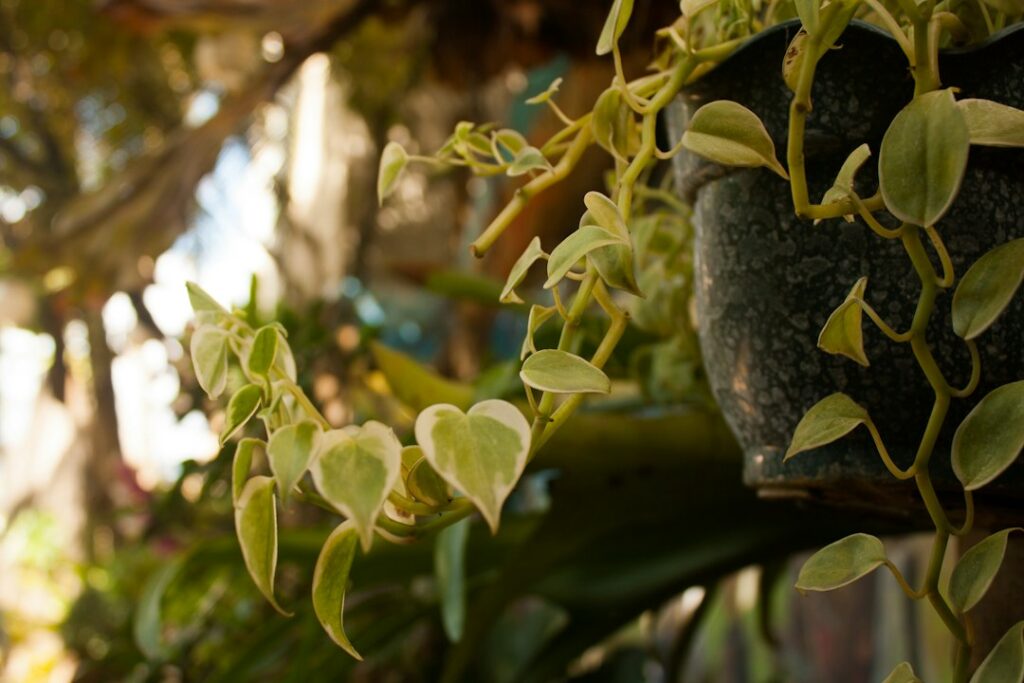
Epipremnum aureum tolerates light levels lower than almost any other trailing plant. Golden pothos with its variegated gold-green leaves grows well at 75-150 foot-candles. Marble queen pothos has more white variegation and needs slightly more light to maintain the pattern. Neon pothos is the most light-tolerant of the cultivars and stays bright green even in dim corners.
Buy a 6-inch pot at Home Depot or Lowe’s for $12-$18, or a hanging basket at $25-$35. Costa Farms is the dominant grower and their plants are reliably healthy. Water when the top 2 inches of soil dries, typically every 7-14 days in low light.
Philodendron Heartleaf
Philodendron hederaceum (also called Philodendron cordatum) is the heartleaf philodendron, often confused with pothos. The leaves are softer, thinner, and a deeper green. Light tolerance is similar to pothos, down to about 75 foot-candles.
Heartleaf philodendron trails up to 6-8 feet from a hanging basket and roots easily from cuttings. A 4-inch starter pot runs $8-$14. The plant prefers slightly more moisture than pothos but otherwise has the same care profile.
English Ivy: Tougher Than You Think
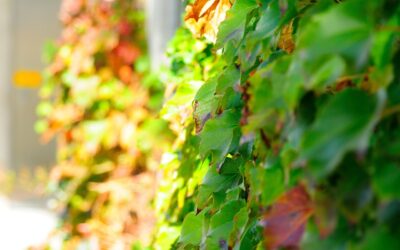
Hedera helix in its many cultivars handles low light gracefully and stays compact for years. The classic English ivy with its three-lobed leaves works in hanging baskets and on bookshelves alike. Variegated forms like Glacier and Goldchild need more light to maintain coloration; solid green forms tolerate the deepest shade.
One catch: ivy is sensitive to spider mites in dry indoor air. Group with a humidifier or set on a pebble tray to keep humidity above 45%. Levoit Classic 200S humidifiers at $75 solve the issue for most rooms.
Spider Plant: Tolerant and Forgiving
Chlorophytum comosum is technically more of a clumping plant, but the runners (baby plantlets) cascade like trailers from hanging baskets. The variegated form is the most familiar but solid green and reverse variegated forms also exist. Spider plants tolerate light down to 100 foot-candles.
Care is straightforward. Water weekly, let the soil dry between waterings, repot every 2-3 years when roots fill the pot. Brown leaf tips usually mean fluoride or chlorine in tap water; switch to distilled or filtered water to fix it.
String of Hearts
Ceropegia woodii has tiny heart-shaped leaves trailing on thin purple stems. Often pitched as a high-light succulent, it actually tolerates moderate to low light remarkably well. Below 100 foot-candles, growth slows but the plant survives indefinitely.
The catch is watering. String of hearts is more drought-tolerant than the other plants on this list and rots if watered weekly in low light. Water only when the soil is completely dry, typically every 2-3 weeks in dim conditions. Use a well-draining cactus mix from Espoma or Black Gold ($8-$12 per bag).
Lipstick Plant: Flowering in Shade
Aeschynanthus radicans is one of the few low-light trailing plants that flowers indoors. The red tubular blooms emerge from dark green leaves and appear sporadically through the year. Light requirements are moderate to low, around 100-200 foot-candles.
Lipstick plants prefer higher humidity and consistent moisture compared to pothos or philodendron. Costa Farms and Hirt’s Gardens both sell healthy specimens online and through big box stores at $15-$25 per 6-inch pot.
Where to Hang and Place Trailers
Trailing plants look best when their vines have somewhere to go. Bookshelves with the plant on the top shelf and vines hanging down are classic. Hanging baskets from the ceiling, with proper toggle bolts rated for 20-30 pounds, work in most rooms. Wall-mounted brackets from Ikea, Target, or Bed Bath & Beyond support up to 10 pounds and accept most 6-inch pots.
For corners with very low natural light, supplement with a small LED grow light. Soltech Aspect at $300 is the design-friendly option; budget grow bulbs from Sansi at $15-$25 deliver the photons without the aesthetics.
Care Routine That Keeps Plants Alive
Low light reduces a plant’s water needs because photosynthesis runs slower. The most common cause of death in low-light trailing plants is overwatering, not underwatering. Stick a finger 1-2 inches into the soil before watering; if it comes out damp, wait another 3-5 days.
Fertilize lightly. Espoma Organic Indoor Liquid Plant Food at quarter strength, applied monthly during spring and summer, is enough for most low-light plants. Skip fertilizer entirely in winter.
Pet Safety Note
Pothos, philodendron, and ivy are all toxic to cats and dogs per ASPCA listings. If you have pets that chew plants, choose spider plants (non-toxic) instead. String of hearts is also non-toxic. Lipstick plant is non-toxic. The safe options exist but the variety is narrower.
Low light does not mean no plants. Pothos and philodendron will thrive in conditions where almost everything else dies. Add in a humidifier, water carefully, and even your dimmest rooms will earn a layer of green by the end of the season.