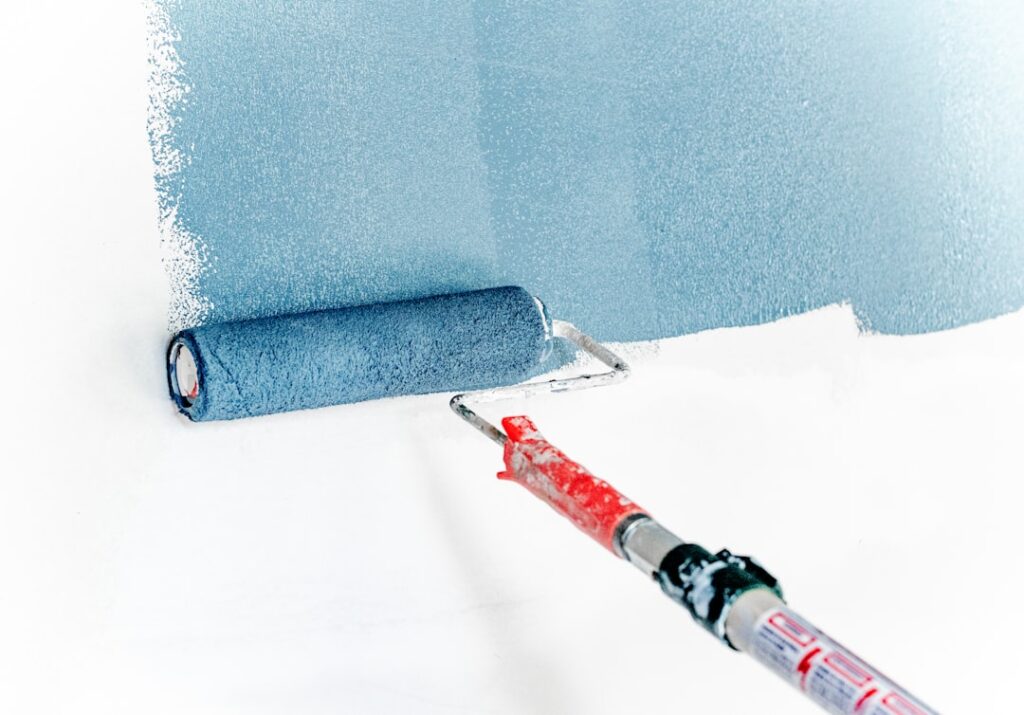
The low VOC paint meaning comes down to one thing: paint formulated to release far fewer volatile organic compounds, the fumes that create that sharp “fresh paint” smell and can linger in your home for weeks. VOCs are chemicals that evaporate at room temperature as the paint dries, and breathing high levels of them can trigger headaches, dizziness, and respiratory irritation. Understanding what qualifies as low VOC, and how it differs from zero VOC, helps you pick a healthier product without overpaying for marketing.
- What VOCs Actually Are
- The Numbers Behind "Low VOC"
- Why Homeowners Choose Low VOC
- Low VOC vs. Zero VOC vs. Natural
- Does Low VOC Paint Perform as Well?
- How to Paint Safely Even With Low VOC
- Is It Worth the Slightly Higher Price?
- How to Read a Paint Label for VOCs
- Where Low VOC Matters Most
- The Bottom Line
What VOCs Actually Are
Volatile organic compounds are carbon-based solvents that keep paint liquid and help it flow, level, and cure. As the paint dries, those solvents off-gas into the air. Common examples include formaldehyde, benzene, and toluene. Outdoors they contribute to smog; indoors they concentrate, which is why a freshly painted closed room smells so strong. The more VOCs a paint contains, the longer and more intensely it off-gasses after application.
The Numbers Behind “Low VOC”
Low VOC is not a vague marketing phrase; it is tied to measurable limits, expressed in grams per liter (g/L). Here is how the tiers generally break down:
- Conventional paint — historically 250 g/L or higher, sometimes far more for oil-based products.
- Low VOC — the EPA caps flat paints at 250 g/L and non-flat at 380 g/L, but most products marketed as low VOC come in well under 50 g/L. Many quality brands sit around 50 g/L or less.
- Zero VOC — typically 5 g/L or less before tinting; the label cannot claim a perfect zero because trace amounts remain.
Watch one detail: adding color at the store can raise the VOC content, since some colorants contain solvents. If low VOC matters to you, ask for VOC-free tints, which most major retailers now stock.
Why Homeowners Choose Low VOC
The appeal goes beyond a milder smell. Lower VOC paint improves indoor air quality during and after a project, which matters most in bedrooms, nurseries, and any room you cannot ventilate well. The practical benefits include:
- Less odor, so rooms are usable again within hours instead of days.
- Fewer fumes for people with asthma, allergies, or chemical sensitivities.
- Safer application for children, pregnant occupants, and pets.
- Lower off-gassing into a home that is sealed tight for energy efficiency.
- Easier soap-and-water cleanup, since most low VOC paints are water-based latex.
Low VOC vs. Zero VOC vs. Natural
These labels are related but not identical. Low VOC simply means reduced levels under a defined cap. Zero VOC means trace levels at or below 5 g/L, though tinting can nudge that up. Natural or plant-based paints go further, replacing petroleum solvents with materials like clay, milk protein, or plant oils, but they can cost more and behave differently on the wall. For most homeowners, a quality low or zero VOC latex from a mainstream brand hits the sweet spot of health, performance, and price.
Does Low VOC Paint Perform as Well?
Years ago, low VOC formulas were thinner and harder to apply. That gap has largely closed. Today’s premium low VOC lines cover, level, and scrub as well as conventional paint, and many carry the same lifetime warranties. Look for third-party certifications such as GREENGUARD Gold or the Master Painters Institute (MPI) X-Green designation, which verify low emissions through independent testing rather than a brand’s own claim. On the shelf, popular low VOC options include Benjamin Moore Natura, Sherwin-Williams Harmony, and Behr Premium Plus.
How to Paint Safely Even With Low VOC
Low VOC reduces exposure but does not eliminate it, so keep good habits during any painting project:
- Open windows and run a fan to move air out of the room.
- Take breaks in fresh air if you feel any headache or lightheadedness.
- Keep lids sealed between coats to limit evaporation.
- Let the room air out before children or pets sleep in it, even with low odor.
- Store and dispose of leftover paint per local hazardous-waste rules.
Is It Worth the Slightly Higher Price?
Low VOC paint often costs a few dollars more per gallon than the cheapest conventional option, but the premium is small relative to the health and comfort payoff, especially in occupied bedrooms and children’s rooms. Given that modern formulas match conventional paint on durability, there is little reason to choose high VOC for interior work. Reserve any budget savings for rooms you rarely occupy or exterior projects where fumes disperse outdoors.
How to Read a Paint Label for VOCs
Marketing language on the front of a can, “eco,” “green,” “low odor”, is not regulated the way the actual VOC number is, so learn to read the fine print. Look for the g/L figure, usually printed near the technical data or on the manufacturer’s spec sheet, and remember that lower is better. A product labeled 50 g/L or less is genuinely low VOC; one that only touts “low odor” without a number may still contain plenty of solvents. Odor and VOC content are related but not identical, some low-odor paints still off-gas, so trust the number over your nose.
Two other details deserve attention. First, ask what the VOC level is after tinting, because deep and vivid colors often require solvent-based colorants that raise the total; most retailers now offer zero-VOC tint on request. Second, check for an independent certification rather than relying on the brand’s own claim. GREENGUARD Gold and the MPI X-Green seal are tested by third parties and set stricter limits than the baseline federal caps, so they carry real weight for anyone sensitive to air quality.
Where Low VOC Matters Most
Not every room carries the same stakes. Prioritize low or zero VOC paint in spaces where people spend concentrated time and ventilation is limited: bedrooms, nurseries, home offices, and any room that stays closed up. Homes built tight for energy efficiency trap off-gassing longer, which raises the value of a low-emission product. Exterior projects and rarely used spaces like a detached garage matter less, since fumes disperse outdoors, so you can reserve any budget savings for those areas. For families with young children, asthma, or chemical sensitivities, the modest price premium on a certified low VOC interior paint is easily worth the cleaner indoor air.
The Bottom Line
The low VOC paint meaning is straightforward: paint engineered to release fewer of the evaporating solvents that cause odor and irritate airways. Look for products under 50 g/L, request VOC-free tints, and prioritize third-party certifications like GREENGUARD Gold. For interior projects, especially in bedrooms and nurseries, a quality low or zero VOC latex gives you a healthier home with no meaningful sacrifice in coverage or durability.