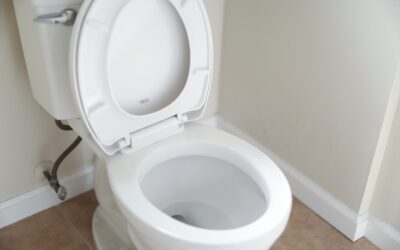
If you want the benefits of a bidet without wiring, plumbing changes, or a big budget, the entry-level attachment world is where you start. The Luxe Bidet Neo 120 is a single-nozzle, cold-water bidet attachment that mounts under your existing toilet seat, costs around $40, and installs in about 20 minutes with no electricity required. This guide explains how it works, how to install it, and how to keep it running well.
- What the Neo 120 Is
- How a Non-Electric Bidet Works
- Key Features
- What You Get in the Box
- Step-by-Step Installation
- Understanding the T-Valve
- Adjusting Pressure and Aim
- What It Costs
- Cleaning and Maintenance
- Troubleshooting Common Issues
- Cold Water: Is It a Problem?
- Common Mistakes to Avoid
- Who the Neo 120 Is Best For
- Neo 120 vs Neo 110 and Neo 185
- Water Savings and Hygiene Benefits
- Final Thoughts
What the Neo 120 Is
The Neo 120 is a slim plastic bar that slides between your toilet bowl and toilet seat. It carries a single spray nozzle and a control knob on the right side. When you turn the knob, water from your home’s supply line sprays up through the nozzle for cleaning. There is no tank, no heater, and no plug. It uses only your existing water pressure, which is why it is inexpensive and reliable.
How a Non-Electric Bidet Works
Water enters the attachment through a T-valve tapped off the line that feeds your toilet tank. When the control knob is closed, no water flows. Turning the knob opens a valve and directs pressurized water to the nozzle, which rises slightly and sprays. The harder you turn, the higher the pressure. Because it draws straight from the cold supply, the water is room-temperature to cold. The Neo 120 is the single-nozzle model in the Neo family; step-up models add a second feminine-wash nozzle and warm-water options.
Key Features
- Single posterior-wash nozzle with an adjustable pressure knob.
- Self-cleaning nozzle that rinses itself before and after use.
- Retractable nozzle guard gate that shields the nozzle when not in use.
- All-brass and ceramic internal valve for durability against leaks.
- No electricity, so it works during power outages and needs no outlet.
What You Get in the Box
A Neo 120 kit includes the bidet bar, a metal or plastic T-valve adapter, a braided or flexible connection hose, mounting plates and bolts, and rubber spacers that lift the toilet seat slightly to make room for the unit. You supply only two tools: an adjustable wrench and possibly a bucket or towel to catch a little water during the swap.
Step-by-Step Installation
Most people finish in 15 to 20 minutes.
- Turn off the water at the shutoff valve behind or beside the toilet, then flush to empty the tank.
- Remove your toilet seat by unscrewing the two bolts at the back of the bowl.
- Place the bidet’s mounting plates and rubber spacers on the bowl, set the bidet bar on top with its nozzle pointing into the bowl, and reattach the toilet seat through the same bolt holes.
- Disconnect the flexible hose that runs from the shutoff valve to the bottom of the toilet tank.
- Thread the T-valve onto the tank’s fill inlet, reconnect the tank hose to the top of the T-valve, and connect the bidet hose to the side outlet.
- Turn the water back on slowly and check every joint for leaks.
- Turn the control knob to test the spray and adjust the nozzle position by sliding the bar left or right before final tightening.
Understanding the T-Valve
The T-valve is the heart of a no-plumber install. It is a simple tee that splits the incoming cold water: one branch continues to fill your toilet tank as before, and the other feeds the bidet. Because it uses standard 7/8-inch and 1/2-inch threaded fittings found on nearly all US toilets, it requires no cutting or soldering. Hand-tighten, then give a gentle quarter-turn with a wrench; overtightening plastic threads cracks them.
Adjusting Pressure and Aim
The control knob is progressive: a slight turn gives a gentle rinse and a full turn gives a strong stream. Start low and increase to taste. Aim is set physically by sliding the whole bar sideways during installation so the nozzle lands where you need it. If the spray sits too far forward or back, loosen the seat bolts and nudge the bar before retightening.
What It Costs
The Neo 120 typically sells for about $35 to $45. Because installation is a DIY job requiring no electrician and no plumber, the total cost is just the unit price. That makes it one of the cheapest ways to add bidet function to any bathroom, and a fraction of the cost of an electronic seat that can run several hundred dollars.
Cleaning and Maintenance
Maintenance is minimal. The nozzle self-cleans, but you can wipe the whole bar with a mild bathroom cleaner during your normal cleaning routine. Avoid harsh abrasives that scratch the plastic. In hard-water areas, mineral scale can build on the nozzle over time; a soft toothbrush and a little vinegar clears it. Periodically check the hose connections for any weeping and snug them if needed.
Troubleshooting Common Issues
- Leaking at the T-valve: The rubber washer may be pinched or the fitting cross-threaded. Loosen, reseat the washer, and retighten by hand plus a quarter turn.
- Weak spray: Confirm the shutoff valve is fully open and the knob is turned far enough. Check the nozzle for scale.
- Dripping nozzle after use: A few residual drips are normal as the line depressurizes. Constant dripping suggests the internal valve needs the knob returned fully to the off position.
- Seat feels loose: The spacers raise the seat slightly; make sure the bolts are snug and the plates are seated evenly.
Cold Water: Is It a Problem?
The most common hesitation about the Neo 120 is that the water is unheated. In practice most users adapt quickly, and the rinse is brief. If cold water is a dealbreaker, Luxe and other brands offer warm-water attachments that add a hose to your sink’s hot line or an integrated heater, but those cost more and complicate installation. For the price, the cold-water Neo 120 is a strong value.
Common Mistakes to Avoid
Overtightening plastic fittings is the top cause of cracks and leaks. Forgetting to shut off the water before disconnecting the hose leads to a wet floor. Skipping the leak check after reassembly can turn a small drip into a slow, unnoticed problem. And installing the bar without sliding it to the right aim position means an awkward spray. Take a minute on each and the install goes smoothly.
Who the Neo 120 Is Best For
The Neo 120 suits renters, budget-minded buyers, and anyone who wants to try a bidet without commitment. Because it installs and removes without altering your plumbing, it is ideal for apartments where you cannot make permanent changes; when you move, you simply reverse the T-valve and take it with you. It is also a smart first step for households curious about bidets but unsure they will use one. If you find you love it, upgrading later to a warm-water or electronic model is easy. First-time users almost universally report that the adjustment period is short.
Neo 120 vs Neo 110 and Neo 185
The Neo family shares the same body but differs in features. The Neo 110 is the most basic, with a fixed pressure. The Neo 120 adds an adjustable pressure knob, which is the key upgrade and well worth the small price difference. The Neo 185 and higher models add a second nozzle for a dedicated feminine wash, and some later models add a warm-water connection. For a single-user posterior wash with pressure control, the 120 hits the sweet spot of features versus cost, which is why it is the most popular pick in the line.
Water Savings and Hygiene Benefits
Beyond comfort, a bidet attachment reduces toilet paper use significantly, which saves money and cuts down on the paper that can clog older plumbing. Many users find the water rinse leaves them feeling cleaner than paper alone, and it can be gentler for people with sensitive skin or certain medical conditions. Because the Neo 120 uses only a small amount of water per use, far less than the water footprint of manufacturing toilet paper, it is an environmentally friendly upgrade as well as a practical one.
Final Thoughts
The Luxe Bidet Neo 120 proves that a bidet does not have to be expensive or complicated. For around $40 and 20 minutes of work, you get a durable, self-cleaning, non-electric attachment that fits standard toilets and runs on nothing but water pressure. Install the T-valve carefully, dial in the pressure and aim, and give it an occasional wipe, and this simple upgrade delivers everyday comfort at an unbeatable price.