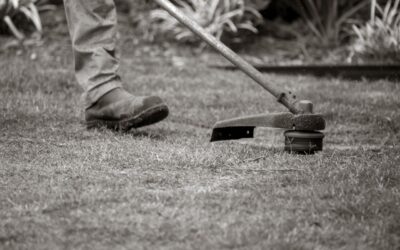
The modern Makita string trimmer lineup has finally reached the point where the two-stroke can stay in the shed for most jobs. No mixing fuel, no pull-starting, no fouled plugs. But Makita runs three separate battery platforms, and buying the wrong one means you can’t share batteries with the rest of your tools. This guide sorts out the 18V LXT, the 36V (18Vx2) machines, and the 40V XGT so you land on the right one the first time.
Before anything else, understand the platform question. Makita’s number one selling point is battery sharing, so the best trimmer for you is usually the one that matches the drills, saws, and blowers already in your garage. Get that right and the rest is detail.
Understanding Makita’s Three Battery Platforms
Makita builds cordless tools on three voltage systems, and the batteries are not interchangeable between them. The 18V LXT is the oldest and largest lineup, with well over 275 tools sharing one battery. The 18Vx2 tools run two 18V LXT batteries in series to make 36 volts, so they still use LXT packs you may already own. The 40V max XGT is the newest high-output system with its own thicker battery designed for demanding, near-gas-equivalent performance.
- 18V LXT: lightest, largest tool family, best for small to mid yards
- 18Vx2 (36V): more power, still uses LXT batteries you likely own
- 40V XGT: most power and run time, separate battery ecosystem
The 18V LXT Trimmers: XRU23 and Friends
The XRU23 is the best fit for most homeowners. It’s a brushless 18V unit with a 13-inch cutting swath, a variable-speed trigger, and it weighs a hair over 7 pounds with a compact battery. Bare tool it runs around $130 to $160; with a 4.0Ah battery and charger you’re near $220.
The brushless motor matters here. Brushless motors run cooler, last longer, and squeeze more work out of each charge than the old brushed motors. If you have a small suburban lot and already own LXT drills, an 18V single-battery trimmer is the easy call. It handles grass, light weeds, and edging without complaint. It’ll bog down in heavy brush, so it’s not the tool for reclaiming an overgrown field.
The 18Vx2 (36V) Machines Like the XRU15
Step up to the 18Vx2 platform and you get 36 volts of output while still running LXT batteries. The XRU15 is the workhorse here: a brushless trimmer with a 15-inch swath, a straight shaft, and a bump-feed head that takes line up to .095 inch. Kits with two 5.0Ah batteries land around $280 to $340. Because it draws from two packs, run time stretches close to an hour of steady work.
This is the sweet spot for larger properties and thicker growth. The extra voltage pushes heavier line through tougher weeds, and the straight shaft gives better reach under fences and around obstacles. If you own a fleet of LXT batteries already, the 18Vx2 route lets you go more powerful without starting a new battery collection. That’s the strongest argument for it.
The 40V XGT: The GRU02 and Gas-Level Power
When you genuinely need gas-equivalent muscle, the 40V max XGT line delivers. The GRU02 runs a 40V battery, a 17-inch cutting swath on some configurations, and enough torque to chew through brush that stalls the smaller units. Expect $300 to $350 for a kit with a 4.0Ah XGT battery. Run time on a 4.0Ah XGT pack is comparable to the 18Vx2 setups but with more consistent power under load.
The catch is the separate battery ecosystem. XGT packs don’t fit LXT tools and vice versa, so you’re committing to a new platform. If you’re a landscaper, a rural property owner, or someone clearing regular heavy growth, the investment is justified. For a typical yard, it’s more trimmer than you need, and the weight and cost don’t pay off.
Cordless vs Gas: What You Actually Give Up
The old knock on battery trimmers was that they ran out of steam and out of charge before the job was done. That’s mostly a memory now with brushless motors, but it’s worth being clear about the real trade-offs. A gas trimmer runs as long as you keep fuel in it, so for all-day commercial mowing a gas unit or a truckload of batteries is still the answer. For a residential yard finished in under an hour, cordless wins on nearly every count.
Consider what you gain. There’s no fuel to mix, no carburetor to gum up over winter, no pull cord to yank in the July heat, and the noise drops from an ear-splitting whine to something you can run at 7 a.m. without a neighbor complaint. Cordless units also start instantly with a trigger squeeze and produce zero exhaust, which matters when you’re working near an open garage or a patio. What you give up is unlimited run time and, on the 18V single-battery models, a bit of torque in the thickest brush. For most homeowners that’s an easy trade.
- Cordless wins: instant start, no fuel, quiet, low maintenance, zero exhaust
- Gas still wins: unlimited run time, top-end torque for reclaiming fields
Line Diameter, Swath, and Feed Systems
Trimmer line does most of the actual cutting, and matching it to the job saves you grief. Thinner .080-inch line spins fast and cuts soft grass cleanly with less battery drain. Heavier .095-inch line takes tougher weeds and survives contact with fences and edging without shredding. The 18V units handle up to .080 or .085 comfortably; the 36V and 40V machines run .095 without bogging.
- .080 in: lawn grass, light trimming, best battery efficiency
- .095 in: heavy weeds, brush, more durable near hard edges
- Swath: 13 in on 18V, up to 15-17 in on 36V/40V
Feed systems vary too. Bump-feed heads advance line when you tap the head on the ground, and they’re the standard on Makita trimmers. Some models offer a push-button feed. A wider swath cuts more per pass but eats battery faster and demands more control near beds, so don’t assume bigger is always better on a tight lot.
One habit saves you real money on line: buy a bulk spool of quality twisted or serrated line and wind your own heads rather than paying for pre-cut refills. A 1-pound spool of .095 runs about $15 and lasts a season for most homeowners, versus a few dollars for a handful of pre-cut pieces. Store the spool out of the sun, because ultraviolet light makes trimmer line brittle, and brittle line snaps off at the head every few seconds instead of feeding cleanly. Keeping a fresh, supple spool on hand is the cheapest performance upgrade there is.
Which Makita Trimmer Suits You
A practical way to choose: match the platform to your existing tools first, then match the power to your property. A small lot with existing LXT gear points straight at the XRU23. A big lot with heavy growth and LXT batteries points at the 18Vx2 XRU15. A pro or rural owner wanting gas-level output and starting fresh should look hard at the 40V XGT GRU02.
- Small yard, own LXT tools: XRU23, ~$220 as a kit
- Large yard, own LXT tools: XRU15 (18Vx2), ~$300 as a kit
- Heavy brush, want max power: GRU02 (40V XGT), ~$330 as a kit
Don’t overlook battery capacity in your budget, either. A trimmer that ships with a 2.0Ah pack will feel underpowered and short-winded no matter how good the motor is, so step up to a 4.0 or 5.0Ah battery for real yard work. The larger packs cost $60 to $120 each but roughly double your run time and hold voltage better under load, which keeps the head spinning at full speed through thick grass instead of sagging.
Whichever you choose, buy at least one spare battery from day one. Nothing kills momentum like watching a pack die halfway through the yard while the charger crawls. With a spare on the shelf, a well-chosen Makita cordless trimmer will outlast and out-convenience any gas unit for the vast majority of residential work, and you’ll never smell two-stroke exhaust again.