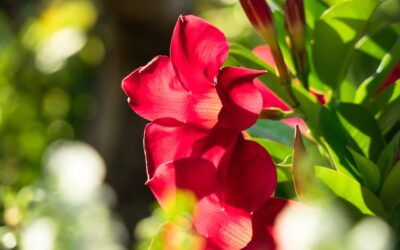
Growing mandevilla indoors is the only way most gardeners north of zone 9 keep this showy tropical vine alive from one summer to the next. Mandevilla is a frost-tender perennial that dies outdoors the moment temperatures dip near 32°F, but bring it inside and it can live for years, climbing a trellis and throwing out trumpet-shaped blooms in red, pink, or white. Treat it right and a single plant you bought for $15 to $30 becomes a permanent part of your collection.
Part of our Windows & Doors guide — explore the full guide →
This guide walks through light, water, humidity, feeding, and the two reliable ways to overwinter the plant so it explodes back into bloom every spring.
Understanding the Mandevilla Plant
Mandevilla, sometimes sold under the name Dipladenia, is a woody-stemmed tropical vine native to South and Central America. In its home range it climbs 10 to 20 feet, but in a container it usually stays a manageable 3 to 6 feet. The plant blooms on new growth, which is why pruning and good light matter so much for keeping flowers coming.
One important note: mandevilla sap is mildly toxic to people and pets if eaten, and it can irritate skin. Wear gloves when you prune and keep cuttings away from curious cats and dogs. Wash your hands after handling the milky sap.
Light Requirements Indoors
Light is the make-or-break factor for a mandevilla kept inside. The plant wants bright, direct sun for at least 6 to 8 hours a day, which usually means a south- or west-facing window. In a dim corner it survives but stops flowering and gets leggy, stretching toward whatever light it can find.
If your home does not have a strong window, a full-spectrum LED grow light run 12 to 14 hours a day fills the gap nicely. Position the light 6 to 12 inches above the foliage. Rotate the pot a quarter turn every week so growth stays even rather than leaning to one side.
Watering and Humidity
Mandevilla likes consistent moisture during active growth but hates soggy roots. Water when the top inch of soil feels dry, letting excess drain freely from the pot. In a bright spring or summer window that might mean watering twice a week; in winter it could drop to once every 10 to 14 days.
Getting Humidity Right
As a tropical plant, mandevilla prefers humidity around 50 percent or higher, which is well above the 20 to 30 percent typical of a heated home in winter. Low humidity invites spider mites and crispy leaf edges. Boost moisture with these methods:
- Set the pot on a tray of pebbles filled with water so the base sits above the waterline.
- Group it with other houseplants to create a humid microclimate.
- Run a small room humidifier nearby, especially when the furnace is on.
- Mist the foliage a few times a week, though a humidifier is more effective long term.
Soil, Potting, and Feeding
Mandevilla does best in a well-draining, slightly acidic mix. A blend of regular potting soil cut with 25 to 30 percent perlite or coarse sand drains well and prevents root rot. Always use a container with drainage holes; a glazed ceramic or plastic pot 10 to 14 inches wide suits a mature plant.
During the growing season from spring through early fall, feed every two weeks with a balanced liquid fertilizer or one slightly higher in phosphorus, such as a 10-20-10, to push blooms. Cut feeding back to once a month or stop entirely in winter when the plant slows down. Repot every couple of years in spring if roots circle the bottom or grow out of the drainage holes.
How to Overwinter Mandevilla Indoors
Bringing mandevilla indoors before the first frost is the heart of keeping it year after year. Move it inside when nighttime lows approach 50°F, well before any frost. You have two solid strategies.
Method 1: Keep It Growing
Place the plant in your brightest window or under a grow light, maintain humidity, and water as the soil dries. It may slow down and drop some leaves as it adjusts to lower indoor light, which is normal. Inspect weekly for spider mites and aphids, which thrive in dry winter air. This method keeps the foliage and sometimes even sparse blooms going through the cold months.
Method 2: Force Dormancy
If you lack good light, let the plant rest. Cut it back by about a third to half, move it to a cool spot around 50°F to 60°F such as a garage or basement, and water just enough to keep the roots from drying out completely, roughly once a month. The plant goes semi-dormant, drops most leaves, and conserves energy until spring.
Bringing It Back in Spring
As days lengthen in late winter or early spring, prune away any dead or weak growth and cut the plant back to encourage bushy new shoots. Move it back to bright light, resume regular watering, and start feeding again. Once nighttime temperatures stay reliably above 50°F outdoors, harden the plant off over 7 to 10 days by setting it outside for gradually longer stretches before returning it to its summer spot.
Expect new growth within a few weeks of resuming care, with the first flush of trumpet blooms following soon after. A plant overwintered well will be larger and more floriferous each season.
Common Problems and Fixes
- Yellow leaves: Usually overwatering or poor drainage. Let the soil dry more between waterings and confirm the pot drains.
- No blooms: Almost always too little light. Move to a brighter window or add a grow light.
- Webbing and stippled leaves: Spider mites from dry air. Raise humidity and treat with insecticidal soap or neem oil.
- Leggy, sparse growth: Low light plus no pruning. Cut back and increase light to force branching.
Frequently Asked Questions
Can mandevilla live indoors year-round?
Yes. With a bright south- or west-facing window or a grow light, decent humidity, and careful watering, mandevilla can grow indoors all year. Many gardeners keep it inside permanently rather than moving it out each summer.
When should I bring mandevilla indoors?
Move it inside when nighttime temperatures begin dropping toward 50°F, before the first frost. Mandevilla is damaged or killed by temperatures near 32°F, so do not wait for an actual frost warning.
Why is my indoor mandevilla not blooming?
Insufficient light is the most common reason. Mandevilla needs 6 to 8 hours of direct sun or a grow light to flower. Feeding with a phosphorus-rich fertilizer during active growth also encourages more blooms.
How do I overwinter mandevilla if I have no sunny window?
Force dormancy. Cut the plant back by a third to half, move it to a cool 50°F to 60°F space, and water only about once a month. It rests through winter and bounces back when you return it to light and warmth in spring.