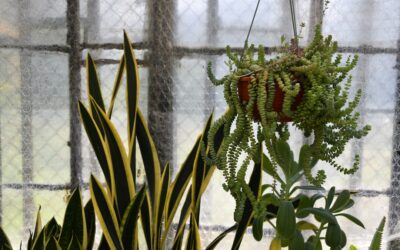
Despite the stony name, a marble plant is not a slab of stone at all, but a houseplant prized for the creamy white and green marbling that streaks across its leaves. The term most often refers to the Marble Queen pothos (Epipremnum aureum ‘Marble Queen’), and sometimes to certain variegated Peperomia varieties. Both bring that distinctive splashed, painterly foliage indoors, and both are beginner-friendly once you understand a few basics about light and water.
Part of our Countertops guide — explore the full guide →
What makes these plants so popular is the combination of dramatic looks and easy care. They trail beautifully from a shelf, tolerate a range of conditions, and forgive the occasional missed watering. Get the light and watering right, and a marble plant will reward you with steady growth and that signature marbled variegation for years.
What Exactly Is a Marble Plant
The name marble plant most commonly points to Marble Queen pothos, a cultivar of the golden pothos with heavier white-and-cream variegation. Its heart-shaped leaves look almost hand-painted, with green and ivory swirled together in no two leaves alike. It is a vining plant that trails or climbs, making it ideal for hanging baskets and high shelves.
Some growers also use marble plant to describe variegated Peperomia, a more compact, upright houseplant with thicker leaves. Both share the same appeal: bold variegation that needs light to stay vivid. The care advice that follows applies primarily to Marble Queen pothos, the most common plant sold under this name, with notes where Peperomia differs.
Light Requirements
Bright, indirect light is the sweet spot. Place your marble plant a few feet from an east- or north-facing window, or behind a sheer curtain at a brighter window. In good light, the leaves keep their crisp white-and-green contrast.
Variegation is the catch. The white parts of the leaf contain no chlorophyll, so the plant relies on its green sections to produce energy. In low light, the plant compensates by growing greener leaves with less white marbling, and over time the striking variegation fades. If you notice new growth coming in mostly green, move the plant somewhere brighter. Avoid harsh direct afternoon sun, though, which can scorch the pale areas and leave brown patches.
Watering Without the Root Rot
Overwatering kills more marble plants than anything else. These plants prefer to dry out somewhat between waterings rather than sit in constantly soggy soil.
- Let the top 1 to 2 inches of soil dry out before watering again.
- Water thoroughly until it drains from the bottom, then empty the saucer.
- In winter, cut back; the plant uses far less water in low light and cool temperatures.
- Use room-temperature water and avoid leaving the roots standing in a puddle.
Yellowing leaves and a mushy base usually signal overwatering and the start of root rot. Drooping with dry, crispy soil means the opposite. When in doubt, wait an extra day; pothos handles a little drought far better than constant wetness.
The Right Soil and Pot
Drainage is everything. A well-draining potting mix keeps roots healthy and prevents the waterlogging that leads to rot. A standard indoor potting mix amended with a handful of perlite or orchid bark works well, loosening the blend so water flows through rather than pooling.
Always choose a pot with a drainage hole. Decorative cachepots without holes trap water against the roots; if you love the look of one, keep the plant in a plastic nursery pot inside it and lift it out to water. A pot only an inch or two larger than the root ball is plenty, since these plants prefer to be slightly snug rather than swimming in soil.
Humidity and Temperature
Average household conditions suit a marble plant fine, but a little extra humidity makes it happier. These are tropical plants at heart, so they appreciate humidity around 40 to 60 percent. In dry winter air, group it with other plants, set it near a small humidifier, or rest the pot on a tray of pebbles and water.
Keep temperatures between 65°F and 85°F. Protect the plant from cold drafts, air-conditioning vents, and chilly windowsills below 55°F, which can stress the foliage and stall growth. Stable, warm conditions encourage the steady vining growth pothos is known for.
Easy Propagation in Water
One of the best things about a marble plant is how simply it propagates. You can turn a single plant into several for free.
- Snip a healthy 4- to 6-inch stem cutting just below a node, the small bump where a leaf meets the stem.
- Remove the lowest leaf so a bare node sits underwater.
- Place the cutting in a glass of room-temperature water and set it in bright, indirect light.
- Change the water every few days; roots typically appear within two to four weeks.
- Once roots reach an inch or two, pot the cutting in well-draining mix.
Variegated cuttings keep their marbling best when they include at least some green tissue, so choose stems that have a healthy mix of color.
Common Pests and Problems
Marble plants are fairly resistant, but a few pests show up indoors. Mealybugs appear as small white cottony tufts in leaf joints, while spider mites leave fine webbing and stippled, faded leaves, usually in dry conditions. Inspect new growth regularly so you catch an infestation early.
To treat either, wipe the leaves with a cotton swab dipped in rubbing alcohol for mealybugs, or spray the plant down with insecticidal soap or a diluted neem oil solution for mites. Increasing humidity discourages spider mites, which thrive in dry air. Browning leaf tips often point to low humidity or mineral buildup from tap water, so try filtered water if tips keep crisping.
Is It Safe Around Pets
This is an important one. Pothos, including the Marble Queen, is toxic to cats and dogs. The leaves contain insoluble calcium oxalate crystals that, if chewed, cause oral irritation, drooling, vomiting, and difficulty swallowing. It is rarely fatal but genuinely unpleasant for a curious pet.
If you share your home with animals that nibble greenery, hang the plant well out of reach or keep it in a room your pets do not access. Peperomia, by contrast, is generally considered non-toxic to cats and dogs, so if pet safety is a priority and you still want that marbled look, a variegated Peperomia is the safer pick. Either way, a marble plant delivers eye-catching foliage with care simple enough for first-time plant owners.