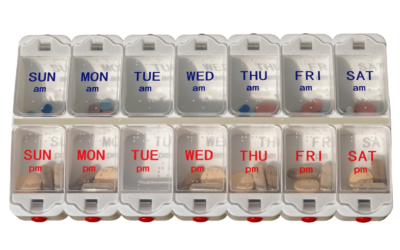
Pull out your medicine cabinet right now and odds are you’ll find expired ibuprofen, a tube of antibiotic ointment from 2019, and three loose Band-Aids. Most homes lose track of what they own within six months of buying it. Smart medicine organizer ideas solve that problem with two principles: visibility and category zones. Whether you’re working with a 14-inch builder-grade medicine cabinet or a full linen closet, the right system pays for itself the first time you avoid a duplicate trip to the pharmacy.
- Start With a Triage Before You Buy Anything
- Clear Acrylic Bins for the Medicine Cabinet
- Drawer Inserts for a Built-In Look
- DIY Builds Under Thirty Dollars
- Closet and Pantry Systems for Larger Households
- Climate Matters More Than You Think
- Childproofing Without Sacrificing Access
- Maintenance Schedule That Keeps the System Working
- Choosing an Organizer for Medicine Cabinet Shelves That Fits
Start With a Triage Before You Buy Anything
Empty everything onto a towel. Toss anything past its expiration date — the FDA’s Flush List covers controlled substances, but most over-the-counter products can go in the regular trash after mixing with coffee grounds or kitty litter. Group what remains into four categories: daily medications, first aid, cold and flu, and topical treatments. This four-bucket sort is the foundation every organizer system builds on.
Count what you have. A typical household needs 6-12 inches of linear shelf space per category. If you’re storing more than that, you’re probably hoarding samples your dentist gave you in 2022.
Clear Acrylic Bins for the Medicine Cabinet
For shallow medicine cabinets — the 4-inch-deep recessed kind — clear acrylic bins are the highest ROI upgrade. mDesign sells a six-piece set on Amazon for around $25 that fits inside Kohler and Robern cabinets. The narrow 3-inch bins hold pill bottles upright, while the wider 5-inch bins corral tubes and inhalers. Clear plastic means you see contents at a glance — no more pulling everything out to find the Tylenol.
OXO Good Grips also makes turntables (Lazy Susans) sized for 6-inch shelves. At $15-$20 each, they double the usable space in corner cabinets where bottles get lost behind each other. Look for the version with raised edges — flat turntables let bottles slide off when you spin them.
Drawer Inserts for a Built-In Look
If your bathroom has a vanity drawer to spare, drawer organization beats vertical cabinets every time. You see everything from above, and nothing hides behind anything else. The Elfa drawer organizer system from The Container Store costs $40-$120 depending on drawer size and includes adjustable dividers that lock into a mesh base.
- Pill bottles: 2.5-inch compartments hold standard amber prescription bottles upright
- Tubes and ointments: 4-inch compartments lying flat for easy ID
- Loose pills and inhalers: 6-inch open zones
- First aid: One dedicated 8-inch zone for bandages, gauze, and tape
For a budget alternative, IKEA’s GODMORGON inserts run $10-$15 and fit most standard 30-inch vanities. They’re not adjustable, but the price is hard to beat.
DIY Builds Under Thirty Dollars
You don’t need a labeled bin system to get organized. A simple stepped riser made from 1×4 pine — three steps, 2 inches deep each — gives you visibility on three rows of pill bottles inside a deep cabinet. Cost: about $8 in lumber, an hour of work, and a coat of polyurethane to handle bathroom humidity.
Mason jars and small glass spice jars work beautifully for cotton swabs, Band-Aids, and loose pills you’ve decanted into clearly labeled containers. Write the medication name, dose, and expiration on a piece of masking tape — never just transfer pills without labeling. A 12-jar set runs about $20 at a craft store.
Closet and Pantry Systems for Larger Households
Families with kids, elderly parents, or chronic conditions blow past medicine cabinet capacity fast. A dedicated 24-inch wide shelf section in a hall closet, with three to four shelves spaced 10-12 inches apart, holds a family’s full inventory. Add labeled stacking bins — Sterilite makes a six-quart clear bin for under $5 — and dedicate one bin per family member.
This is also where you store backup supplies: the Costco bottle of Advil, the unopened bandage kit, the extra blood pressure cuff. Keep the daily-use items in the bathroom and the bulk reserve in the closet so the kids can’t dose themselves out of the spare bottle.
Climate Matters More Than You Think
The bathroom is actually one of the worst places to store medication. Humidity above 60% and temperatures bouncing between 65°F and 85°F degrade most pills, especially aspirin, acetaminophen, and probiotics. A bedroom dresser drawer or a kitchen cabinet away from the stove maintains a more stable 68-72°F. If you keep medications in the bathroom, run the fan for at least 20 minutes after every shower and avoid storing anything in the cabinet directly above the sink, where steam pools.
EpiPens and insulin have stricter requirements — 59°F to 86°F per the manufacturer instructions, and never frozen. A small kitchen drawer works better than a bathroom for those.
Childproofing Without Sacrificing Access
If kids under six live in or visit the house, the CDC reports about 60,000 emergency room visits a year for accidental medication ingestion. The Up & Up cabinet locks at Target ($8 for a four-pack) install in five minutes with adhesive and don’t require drilling. For drawer-based organization, magnetic locks from Safety 1st run about $20 and stay invisible from the outside.
Top-shelf placement isn’t enough on its own — a determined toddler with a stepstool defeats height. Combine elevation with a lock and a clear labeling system, and you’ve got a setup that protects kids while still letting you grab cold medicine at 3 a.m. without hunting for it.
Maintenance Schedule That Keeps the System Working
Set a calendar reminder for the first Sunday of every January and July. Spend 15 minutes pulling expired products, refilling staples, and confirming labels are still legible. Add a quick wipe of the shelves with a microfiber cloth and a 50/50 isopropyl alcohol solution. Two checkpoints a year is the maximum any of these medicine organizer ideas can sustain — past that, even the best system slides back into chaos.
Choosing an Organizer for Medicine Cabinet Shelves That Fits
An organizer for medicine cabinet storage only works if it matches the box it goes into. Recessed cabinets are shallow, the shelves are often glass, and the door closes tight against whatever you put inside. Measure first, then shop, and you avoid the common frustration of a tidy set of bins that stops the door from latching.
Measure the Cabinet Before You Buy
- Interior depth: measure from the back wall to the inside face of the closed door, not to the shelf edge. Subtract a little for door-mounted mirrors or hinges.
- Shelf spacing: note the height between each shelf and whether the clips can move. Adjustable shelves let you open up one tall bay for bottles and keep shorter bays for tubes.
- Shelf material: glass shelves need organizers with flat, smooth feet so they sit level and do not scratch or slide.
- Door clearance: check whether the door has storage of its own. Anything on the door has to clear the items on the shelves when it swings shut.
Organizer Types Worth Considering
Tiered risers lift the back row so labels stay visible, which is the most useful fix for a deep cabinet. Narrow stacking drawers keep small items like bandages and swabs contained on one shelf. Magnetic strips mounted inside the door hold tweezers, nail clippers and metal pins. Adhesive door caddies add a shallow shelf for lightweight items such as lip balm or cotton rounds. Divided trays work well on the bottom shelf, where items tend to pile up.
Group by How Often You Reach
Put daily grooming items at eye level and move occasional items higher. Rarely used supplies, spare bandages and backup toiletries can live on the top shelf or move to a closet bin. Label the front edge of each bin so anyone in the household can put things back in the right spot.
Keep Medicines Locked or Out of Reach
A medicine cabinet over the sink sits at about the height a child can reach from the counter or a step stool. Treat any medicine, vitamin or supplement as something that belongs locked up or placed high and out of sight, and keep it in the original child-resistant container. A small lockable box that fits on one shelf, or a latch on the cabinet door, gives you both organization and a barrier. Close caps fully every time, even when you plan to take another dose soon, and never leave medicine on the counter. If visiting children or grandchildren stay over, move medicines to a locked box in a higher, dry spot for the visit. For questions about how a specific medicine should be stored, read the package label or ask a pharmacist.