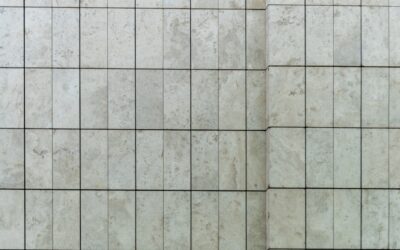
Metal tile brings a distinctive shine and tactile texture that ceramic and stone simply cannot replicate. Whether it is a brushed stainless backsplash, a copper accent strip, or a mosaic of mixed metals, this material adds an industrial, modern, or even glamorous edge to a space. It is a finishing touch that reads custom and intentional.
Part of our Tile & Grout guide — explore the full guide →
This guide walks through the types of metal tile, the finishes available, where the material works best, how it is installed, and the care it needs to keep its luster. If you are considering metal for a backsplash or accent wall, here is what you need to know.
Types of Metal Tile
Metal tile comes in two broad construction styles, and the difference affects both price and weight.
- Solid metal: made entirely from metal such as stainless steel, copper, aluminum, or bronze. Heavier, more durable, and more expensive.
- Metal-faced composite: a thin metal layer bonded to a lightweight core like resin, ceramic, or composite. Lighter, more affordable, and easier to handle.
Common metals include stainless steel for a clean modern look, copper for warmth that develops a patina, aluminum for a lightweight budget option, and brass or bronze for a richer, vintage feel. Many products combine metal with glass or stone in mosaic sheets for added depth.
Finishes and Their Effects
Finish drives the entire personality of metal tile. The same stainless tile looks utterly different brushed versus polished.
- Brushed or satin: a soft, matte sheen that hides fingerprints and reads modern and understated.
- Polished or mirror: high-shine and reflective, dramatic but shows smudges and water spots.
- Hammered or textured: dimensional surfaces that catch light and add craft and character.
- Antiqued or oil-rubbed: darkened, aged tones for a vintage or rustic look.
Think about maintenance when choosing. Brushed finishes are the most forgiving in a working kitchen, while polished metal demands more frequent wiping to stay spotless.
Where Metal Tile Works Best
Metal is most at home as an accent rather than a whole-room surface. Its reflectivity and price point make it ideal for spots where a little goes a long way.
- Kitchen backsplashes: the classic use, especially behind a range or as a full backsplash for an industrial look.
- Accent strips and borders: a metal band within a field of ceramic or stone adds a tailored detail.
- Feature walls: a fireplace surround or a focal wall gets instant drama.
- Bar areas and ranges: metal pairs naturally with stainless appliances.
Metal tile is generally not recommended for floors, where it can dent, scratch, and become slippery, or for constantly wet areas like shower floors. Some products are rated for light-traffic or wall use in bathrooms, so always check the manufacturer’s intended application.
Pros and Cons
Metal tile offers a look you cannot get any other way, but it comes with trade-offs worth weighing before you commit.
- Pros: striking appearance, reflects light to brighten a space, durable when solid, heat-resistant near ranges, and easy to wipe clean.
- Cons: shows fingerprints and water spots on polished finishes, can scratch or dent, often pricier than ceramic, and some metals patina or react over time.
For many homeowners the cost is manageable precisely because metal works best in small doses, as an accent rather than acres of wall.
Installation Basics
Installing metal tile is similar to other tile but with a few key differences in adhesives and cutting. Many metal-faced and mosaic products are designed for walls and use specific setting materials.
- Prep the surface. Ensure a clean, flat, dry substrate. Metal tile shows waviness, so flatness matters.
- Use the right adhesive. Many metal tiles call for a white thinset or a specialized adhesive rather than gray, which can show through edges, and some lightweight products use a construction-grade adhesive.
- Cut carefully. Cut solid metal with metal-cutting tools such as a hacksaw, tin snips, or a saw with a metal blade. Composite tiles may be scored or cut with a wet saw using the correct blade. Wear eye protection.
- Set and align. Press tiles firmly for full adhesive contact and keep spacing consistent.
- Grout if needed. Some mosaics are grouted; others butt together. Use a non-abrasive grout and avoid scratching the finish during cleanup.
Because cutting metal creates sharp edges and burrs, file or sand cut edges smooth and handle pieces carefully. If you are unsure about adhesives or cutting, a professional tiler experienced with metal is worth the cost.
Care and Maintenance
Keeping metal tile looking good is mostly about gentle, regular cleaning. The exact method depends on the metal.
- Stainless and aluminum: wipe with a soft cloth and mild soap; for stainless, clean with the grain and use a stainless cleaner for streaks.
- Copper, brass, and bronze: these patina over time, which some homeowners love. To keep them bright, use a metal polish made for that metal; to let them age, simply leave them be.
- All metals: avoid abrasive pads, steel wool, and harsh acidic cleaners that scratch or corrode the surface.
Wipe up splatters near a range promptly, and dry polished surfaces after cleaning to prevent water spots. A coat of appropriate protectant or lacquer, if the product allows, can help maintain shine and slow patina.
Design Ideas That Work
Because metal reads as a feature, a little intentional styling goes a long way. A full stainless backsplash behind a range gives a professional, restaurant-kitchen look that pairs naturally with stainless appliances. A single row of copper or bronze tile woven into a field of ceramic subway tile adds a warm metallic stripe without the cost of an all-metal wall. Hammered or textured metal makes a striking fireplace surround that catches firelight. In a powder room, a small mosaic of mixed metals behind the vanity becomes a jewel-box accent. The key is restraint: let the metal punctuate the design rather than dominate it, and pair it with quieter materials like wood, stone, or matte paint so the shine stays special.
Is Metal Tile Right for You
Metal tile is the right call when you want a bold, light-catching accent that sets a room apart, and you are happy to keep it as a feature rather than a whole-room surface. Choose a brushed finish for a busy kitchen, polished or hammered for a showpiece wall, and a patina-friendly metal if you embrace an evolving look. Install it with the correct adhesive and careful cutting, treat it gently in cleaning, and metal tile rewards you with a finish that feels genuinely custom.
Prefer to explore on your own?
See how new flooring looks in your actual room in seconds — free, no signup.
Try the free Floor Studio →