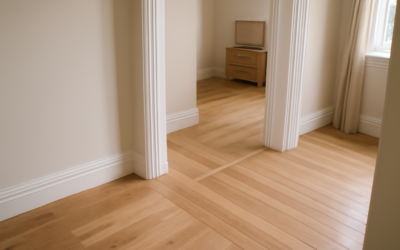
Micro cement flooring has become one of the most coveted design choices in contemporary architecture and interior design. This ultra-thin, seamless coating transforms any surface into a smooth, industrial-chic canvas that embodies modern minimalism. Unlike traditional concrete flooring, micro cement can be applied in razor-thin layers over existing floors, walls, and even countertops, making it a renovation-friendly solution that avoids the mess and expense of demolishing old surfaces.
This guide covers what micro cement is, how it is applied, where it works best, what it costs, and how it compares to other seamless flooring options.
What Is Micro Cement?
Micro cement (also spelled microcement or micro-cement) is a polymer-modified cement coating applied in multiple ultra-thin layers, typically totaling 2mm to 3mm in thickness. It consists of cement, fine aggregates, polymers, and pigments that together create a smooth, hard, and seamless surface with the aesthetic of polished concrete without the structural requirements.
Because of its minimal thickness, micro cement can be applied directly over existing floors including tile, concrete, screed, and even some wood substrates. This eliminates the need for floor demolition and the associated mess, cost, and disruption, making it particularly attractive for renovations.
How Micro Cement Flooring Is Applied
Application is a multi-step process that requires skilled craftsmen and controlled conditions.
Surface Preparation
The existing substrate must be structurally sound, clean, and free of loose material. Cracks are repaired with flexible filler, and the surface is primed with an adhesion-promoting primer. For tile substrates, the tiles must be firmly bonded — any loose tiles are re-adhered or removed and patched before proceeding.
Base Coat
A fiberglass mesh is embedded in the first layer of micro cement to provide tensile strength and crack resistance. This base coat is typically 1mm thick and creates the foundation for subsequent layers.
Finish Coats
Two or more thin finish coats are applied by hand using flexible steel trowels. The applicator controls the texture, direction, and layering of each coat to create the desired visual effect. This is where the artistry of micro cement application is most evident — skilled applicators can create surfaces ranging from perfectly smooth to subtly textured with natural trowel marks.
Sealing
After curing, the surface is sealed with a polyurethane or epoxy sealer to provide water resistance, stain protection, and durability. The sealer determines the final sheen — matte, satin, or gloss — and is the primary barrier between the micro cement and daily wear.
Design Options and Aesthetics
Micro cement’s design versatility is one of its strongest selling points.
Color Range
Micro cement is available in virtually any color, from pure white and soft grays to warm beiges, bold charcoals, and even custom-mixed hues. Neutral tones are most popular, creating the understated industrial-modern look that defines the material’s aesthetic identity.
Texture and Finish
The surface texture ranges from glass-smooth to subtly rustic depending on the application technique. Matte finishes are the most popular, providing a natural, organic feel. Satin finishes add subtle warmth and light reflection. High-gloss finishes create a dramatic, polished concrete appearance.
Seamless Continuity
Perhaps the most compelling design feature of micro cement is its completely seamless nature. Without grout lines, expansion joints, or plank edges, micro cement flows continuously from room to room, up walls, and even over countertops and shower enclosures. This visual continuity makes spaces feel larger and more cohesive.
Benefits of Micro Cement Flooring
Micro cement offers several advantages that make it uniquely appealing for modern homes and commercial spaces.
Ultra-Thin Application
At just 2mm to 3mm thick, micro cement adds virtually no height to existing floors. This means it can be applied over existing surfaces without affecting door clearances, step heights, or room transitions — a major advantage during renovations.
Versatile Application Surfaces
Micro cement adheres to concrete, screed, tile, plasterboard, and prepared wood. This versatility allows it to be applied to floors, walls, ceilings, countertops, shower enclosures, stairs, and furniture, creating a unified look throughout an entire space.
Waterproof When Sealed
Properly sealed micro cement is waterproof, making it suitable for bathrooms, kitchens, and wet rooms. It is increasingly used as a continuous shower floor and wall surface, eliminating the grout lines that plague traditional tile installations in wet areas.
Modern Aesthetic
The seamless, monolithic appearance of micro cement is the epitome of contemporary design. It creates a calm, minimalist backdrop that allows furniture, art, and architectural features to stand out.
Durable and Long-Lasting
A well-applied and properly sealed micro cement floor can last 15 to 25 years with appropriate maintenance. It resists abrasion, compression, and the daily wear of residential and light commercial environments.
Limitations and Considerations
Micro cement is not without its challenges, and understanding them helps set realistic expectations.
Micro-Cracking
Micro cement is a cementitious product, and like all cement-based materials, it is susceptible to fine hairline cracks over time, particularly where the substrate moves or settles. While structural cracks indicate substrate problems, fine micro-cracks are considered a natural characteristic of the material by most manufacturers and applicators. The fiberglass mesh in the base coat minimizes but does not eliminate this tendency.
Professional Application Required
Micro cement application is highly specialized. The quality of the finished surface depends almost entirely on the skill of the applicator. There is no room for DIY shortcuts — poor application results in uneven surfaces, weak adhesion, premature wear, and unsatisfactory aesthetics. Always hire experienced, certified applicators with a portfolio of completed projects.
Maintenance Requirements
The sealer is the protective barrier that keeps micro cement flooring performing well. It requires periodic reapplication — typically every 2 to 5 years depending on traffic and use. Without sealer maintenance, the surface becomes vulnerable to staining, water absorption, and accelerated wear.
Cost
Micro cement is a premium flooring option. The combination of specialized materials and skilled labor makes it more expensive than many conventional alternatives.
Micro Cement Flooring Costs
Pricing reflects the material’s premium positioning and the skill required for application.
Installation Costs
Professional micro cement flooring installation typically costs $15 to $35 per square foot in most markets. Complex projects with multiple rooms, wet areas, walls, or custom colors may reach $40 to $50 per square foot. These prices include surface preparation, base coat, finish coats, and sealing.
Cost Factors
Substrate condition affects cost significantly — damaged or uneven substrates require more preparation. The number of colors, the inclusion of walls or countertops, and access difficulty (upper floors, tight spaces) also impact pricing. Geographic location matters too, as experienced micro cement applicators are more available in urban design centers.
Cost Comparison
Compared to polished concrete ($8 to $20 per square foot), epoxy flooring ($5 to $12 per square foot), natural stone ($10 to $30 per square foot), and premium hardwood ($8 to $15 per square foot), micro cement falls in the upper range but offers unique benefits in seamless design and renovation flexibility.
Where to Use Micro Cement Flooring
Micro cement is versatile enough for most interior applications and some exterior ones.
Living Areas and Bedrooms
Open-plan living areas benefit enormously from micro cement’s seamless continuity. The floor flows from kitchen to dining to living space without any visual interruption, enhancing the sense of space and architectural unity.
Kitchens
Sealed micro cement handles kitchen conditions well, including spills, foot traffic, and dropped utensils. It can be applied to floors and countertops for a cohesive kitchen design.
Bathrooms and Wet Rooms
Properly waterproofed micro cement is an excellent bathroom surface. It eliminates grout lines that harbor mold and creates a spa-like seamless environment. A textured finish provides necessary slip resistance in wet areas.
Commercial Spaces
Retail stores, restaurants, offices, and hotels use micro cement for its sophisticated aesthetic and practical durability. It withstands commercial foot traffic and provides a premium appearance that impresses customers and visitors.
Micro Cement vs Polished Concrete
These two options are frequently confused but differ significantly. Polished concrete involves grinding and polishing an existing concrete slab to a smooth, glossy finish. It requires an existing concrete surface and cannot be applied over tile or wood. Micro cement is an applied coating that can go over any stable substrate. Polished concrete reveals the natural aggregate within the slab, while micro cement has a uniform, customizable color. Micro cement is the better choice for renovations, multi-surface applications, and situations where color control is important.
Maintaining Micro Cement Floors
Proper care preserves the beauty and functionality of micro cement flooring. Sweep or vacuum regularly to prevent grit from scratching the sealed surface. Mop with a pH-neutral cleaner and avoid acidic or abrasive products. Reapply sealer according to the manufacturer’s schedule, typically every 2 to 5 years. Address spills promptly, particularly acidic substances like wine, citrus, and vinegar. Use felt pads under furniture legs to prevent scratching.
Final Thoughts
Micro cement flooring delivers the seamless, industrial-modern aesthetic that defines contemporary design at its best. Its ability to transform existing surfaces without demolition, flow continuously through spaces, and serve double duty on walls and countertops makes it one of the most versatile premium flooring options available. Choose an experienced applicator, invest in quality materials, maintain the sealer, and your micro cement floors will provide decades of sophisticated beauty.
Prefer to explore on your own?
See how new flooring looks in your actual room in seconds — free, no signup.
Try the free Floor Studio →