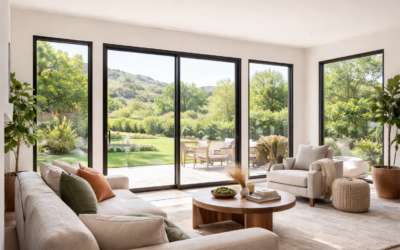
Homeowners often assume the entry series from a window maker is a stripped-down product. Milgard Styleline windows (spelled Style Line by Milgard, series V250) push back on that idea with a slim vinyl frame that lets in more glass than many bulkier vinyl designs, plus Low-E insulating glass and a lock built into the core design. It is the series many replacement projects start with when the goal is clean lines at a moderate price.
Part of our Windows & Doors guide — explore the full guide →
The quick answer: Style Line is a vinyl window series with a narrow frame profile, offered in single hung, horizontal slider, casement, awning and picture styles. Standard frame colors are white and tan. A set of premium painted exterior vinyl finishes (Milgard’s catalog lists colors such as silver, classic brown, espresso and bronze) pairs with a white interior. Glass is SunCoat Low-E insulating glass, with grids and obscure glass as options. Compared with Milgard’s Tuscany series, Style Line generally sits at a lower price point and has a slimmer, more contemporary look.
- Milgard Styleline Windows Spec Table
- Style Line vs Tuscany: Price Tier and Look
- Choosing Styles for Each Room
- Colors: Standard vs Premium Exterior Finishes
- Questions to Ask the Dealer
- Replacement Process Overview
- Safety, Permits and Older Homes
- Troubleshooting After Installation
- Cost Ranges
- When to Call a Licensed Professional
- Frequently Asked Questions
Available colors and options vary by region and change over time. Milgard itself notes that colors shown in print and on screen are approximate, so confirm the current list and see real samples with a Milgard certified dealer.
Milgard Styleline Windows Spec Table
The values in this table are drawn from Milgard’s Style Line product page and series literature. Where Milgard sources and dealer pages disagree, the table sticks to what the maker states and flags the rest for confirmation.
| Spec | Value | What it means |
|---|---|---|
| Series | Style Line (V250) | Milgard’s slim-profile vinyl line |
| Frame material | Vinyl (PVC) | Resists corrosion; no painting required on standard colors |
| Frame profile | Narrow, slim sightlines | More visible glass per opening than bulkier frames |
| Window styles | Single hung, horizontal slider, casement, awning, picture | Covers most bedrooms, kitchens and living areas |
| Standard colors | White, tan | Matching interior and exterior |
| Premium exterior finishes | Painted vinyl colors such as silver, classic brown, espresso, bronze | White interior with these finishes; confirm current list with a dealer |
| Glass | SunCoat Low-E insulating glass | Reduces heat transfer and UV; other packages vary by region |
| Options | Grids, obscure glass | Privacy glass for baths, grids for traditional looks |
| Lock | Positive Action lock | Milgard’s security lock design for the series |
Energy performance numbers (U-factor and solar heat gain) depend on the exact glass package, size and style, so ask the dealer for the NFRC label values on your specific quote. Warranty terms should also be read in full from Milgard’s current warranty document rather than assumed.
Style Line vs Tuscany: Price Tier and Look
Milgard sells several vinyl series, and the two most often compared are Style Line and Tuscany. The decision mostly comes down to appearance and budget.
| Factor | Style Line | Tuscany |
|---|---|---|
| Price tier | Entry to mid | Mid to upper among Milgard vinyl |
| Frame look | Slim, clean, contemporary | Fuller, more traditional contoured profile |
| Best fit | Modern homes, tract homes, rentals, budget-conscious full-house jobs | Traditional or high-end homes wanting a wood-like visual weight |
| Glass area | More glass relative to frame | Slightly more frame visible |
Style and option availability differs between series, so compare quotes on the exact window sizes and styles you need rather than relying on series names alone. Some homeowners mix series, using Tuscany on the street-facing elevation and Style Line on secondary rooms to control costs.
Choosing Styles for Each Room
- Bedrooms: single hung or slider units that meet egress requirements. Egress sizes are set by local building code, so have your installer confirm the clear opening.
- Kitchens over sinks: casement or awning units crank open easily when you cannot reach far over a counter.
- Bathrooms: obscure glass gives privacy without blinds; an awning unit high on the wall adds ventilation.
- Living rooms: a large picture window flanked by operable casements or sliders balances view and airflow.
- Hot, sunny elevations: ask about the Low-E glass package designed for your climate zone.
Colors: Standard vs Premium Exterior Finishes
Color is where Style Line quotes often change the most. White and tan are the standard frame colors, with matching interiors, and they carry no paint layer to maintain. Premium exterior finishes are painted onto the vinyl exterior while the interior stays white. That combination suits homes with dark trim or modern exteriors where you want a bronze or espresso look outside without dark frames inside every room.
A few points to weigh before you pick a premium color:
- Cost: premium finishes add to the price of each window, so the upgrade multiplies across a whole-house order.
- Heat: dark exteriors absorb more sun. Ask the dealer how the painted finish is rated for your climate and exposure.
- Matching: if you plan to replace windows in phases, order the same series and color code each time, and keep the paperwork.
- Samples: view real color chips outdoors next to your siding and trim. Printed colors are only approximate, as Milgard itself notes.
Some older Milgard literature and dealer pages describe a larger palette of premium colors than current catalogs show, and interior options such as clay appear on some dealer comparisons. Lists shift, so treat any color list as a starting point and get the current choices in writing on your quote.
Questions to Ask the Dealer
- Which glass package is standard for my climate, and what are its NFRC U-factor and solar heat gain values?
- Is this a retrofit insert or a full-frame install, and why?
- Which openings need tempered glass by code (near doors, tubs, or close to the floor)?
- Who registers the warranty, and does it transfer if I sell the house?
- How will you handle exterior trim, flashing and interior finish work around each window?
Replacement Process Overview
Most Style Line jobs are handled through Milgard certified dealers and installers. Knowing the steps helps you ask the right questions.
- In-home measure. The dealer measures each opening and checks the frame condition.
- Choose install type. A retrofit insert keeps the existing frame and trim; a full-frame replacement removes everything down to the rough opening.
- Select options. Colors, grids, obscure glass and the glass package for your climate.
- Lead time. Custom windows are built to order, so expect several weeks.
- Installation. Old sash and frames come out, the opening is prepped, new units are set level and square, insulated and sealed.
- Inspection. Check operation, locks, sealant and trim before signing off.
Safety, Permits and Older Homes
Window replacement often needs a permit, especially when changing size or style, and bedroom windows must meet egress rules. If your home was built before 1978, painted window trim may contain lead; the installer should follow lead-safe work practices before cutting or scraping. Working above the first floor involves ladder and fall risks, and second-story windows are a job for a crew with proper equipment. Structural changes such as enlarging an opening or adding a header require a licensed contractor and, in many areas, an engineer’s review.
Troubleshooting After Installation
Condensation between panes
Fog inside the insulated glass means a failed seal. Contact the dealer about warranty service.
Condensation on the room side
This usually points to high indoor humidity, not a defect. Run bath and kitchen fans and use a dehumidifier in winter.
Drafts around the frame
Gaps in exterior sealant or interior insulation are the common cause. Ask the installer to inspect; temporary window insulation film can cut drafts on an old single-pane unit while you wait for replacements.
Sliders or sashes that stick
Clean the tracks, remove debris and apply a silicone-based lubricant if the care guide allows. Persistent binding can mean the unit was not set square.
Cost Ranges
Costs depend on size, style, color, glass package, install type and local labor. As a general guide, entry vinyl windows like Style Line installed often run from several hundred dollars to over a thousand dollars per opening, with premium exterior colors, large picture units and full-frame installs at the higher end. Tuscany typically quotes higher for the same opening. Collect at least two quotes for Milgard Styleline windows and compare them line by line.
When to Call a Licensed Professional
Hire a licensed, insured installer for anything beyond a simple insert, for all second-story work, and for openings with rot, water damage or structural movement. Ask about permits, lead-safe certification on older homes, and who handles warranty claims. A properly installed mid-range window often outperforms a premium window installed poorly.
Frequently Asked Questions
Is Styleline the same as Style Line?
Yes. Milgard writes it as Style Line, also known by the series code V250. Styleline is a common spelling in searches.
What colors do Milgard Style Line windows come in?
White and tan are standard. Premium painted exterior finishes such as silver, classic brown, espresso and bronze are offered with a white interior. Confirm the current list with a dealer.
Is Style Line cheaper than Tuscany?
Generally yes. Style Line sits at a lower price tier with a slimmer frame, while Tuscany has a fuller, more traditional profile at a higher cost.
Do Style Line windows have Low-E glass?
Yes. The series uses SunCoat Low-E insulating glass, with other glass packages depending on your region.
Can I install Milgard Style Line windows myself?
They are sold through certified dealers who usually install them. Read the warranty terms on installation requirements before taking on a DIY install.