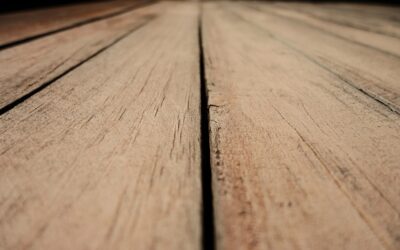
Walk across a deck that looks like weathered oak but never splinters, fades, or needs staining, and you’re probably standing on a polymer board. Millboard composite decking sits at the premium end of the low-maintenance decking market, and it’s worth understanding because it works differently from the wood-plastic composites most people picture. If you want the look of natural timber without the annual sanding and sealing, this category deserves a close look before you buy.
Part of our Decks & Outdoor guide — explore the full guide →
What Makes It Different From Standard Composite
Most composite decking is a wood-plastic composite (WPC): ground wood fiber mixed with plastic and pressed into boards. Millboard takes a different route. Its boards contain no wood at all. Instead they use a polyurethane resin core reinforced with mineral fiber, wrapped in a flexible, hard-wearing outer layer called Lastane. Because there’s no wood in the mix, there’s nothing inside to absorb water, rot, or feed mold.
That wood-free construction is the headline feature. Standard WPC can still swell, stain, and grow mold in the wood content over time. A resin-and-mineral board sidesteps those failure modes entirely, which is why it carries a premium price.
The Realistic Wood Look
Each board is hand-molded from castings of real oak planks, so the grain, knots, and surface texture are genuinely random rather than the repeating pattern you spot on cheaper composites from across the yard. The color runs through a durable surface layer and is applied by hand in a way that mimics natural timber variation. From a few feet away, most guests won’t realize it isn’t wood.
The trade-off is cost. Expect to pay a premium over both pressure-treated lumber and mainstream composite, often landing in the higher tier of decking prices per square foot before installation.
Durability and Performance
The performance story is where premium polymer decking earns its keep.
- No rot or insect damage: With no wood content, termites and moisture have nothing to attack
- Slip resistance: The textured Lastane surface grips well even when wet
- Fade resistance: UV-stable coloring holds up far better than stained wood
- Impact tolerance: The flexible surface layer resists scuffs and self-heals minor dents
- Stain resistance: Spilled wine, grease, and sunscreen wipe away rather than soaking in
Installation Basics
Premium polymer boards install over a supporting subframe much like any decking, but they use a hidden fastening approach that keeps the surface clean. Boards are typically secured with color-matched screws driven directly through the surface, which the flexible coating seals around, so there are no visible plugs or gaps for water to exploit. That direct-fix method also speeds installation compared to hidden-clip systems.
Joist spacing matters. Follow the manufacturer’s specification, usually joists no more than 16 inches on center for standard applications and closer for commercial or diagonal layouts. Because the boards are heavier and less rigid than lumber, adequate support prevents any bounce underfoot.
Subframe Options
- Treated timber joists: Familiar and affordable, but eventually degrade under a lifetime board
- Aluminum subframe: Matches the deck’s lifespan, resists rot, ideal for ground-level or wet sites
- Composite joists: A middle path that avoids wood rot without aluminum’s cost
A common mistake is pairing a 25-plus-year deck surface with a wood subframe that fails in half that time. If you’re investing in premium boards, consider an equally durable frame beneath them.
Cost Considerations
Premium polymer decking costs more than nearly every alternative up front. Material alone typically runs well above standard composite, and a full installed deck with an aluminum subframe reaches the top of the residential decking budget. The counterargument is lifetime cost: no annual staining supplies, no board replacement, and minimal cleaning add up to real savings over 20-plus years, especially compared to a wood deck that demands sanding and sealing every couple of seasons.
Maintenance Reality
The maintenance pitch is nearly true. You’ll never sand or seal these boards. What you will do is sweep off debris and wash the surface once or twice a year with warm soapy water and a soft brush to clear the grime and pollen that make any deck slippery. For stubborn spots, a gentle pressure wash on a low setting works. That’s the extent of it, which is a fraction of the labor a timber deck demands.
Where It Works Best
Premium wood-free decking makes the most sense in demanding spots: ground-level decks where moisture is constant, poolside surrounds that need slip resistance, shaded areas prone to algae, and high-traffic entertaining spaces where you don’t want to maintain a finish. It’s also a strong choice for homeowners who simply value their weekends more than the savings of cheaper lumber.
Color and Finish Choices
Premium polymer decking comes in a spread of tones from pale weathered gray to deep smoked oak and warm golden browns, and because the color is hand-applied to mimic natural timber, no two boards look identical. That variation is a feature, not a flaw, since it defeats the repeating-pattern giveaway of cheaper composite. Order a sample and lay it in your actual light before committing, because deck color reads very differently in full sun versus a shaded yard, and the tone you love in the showroom can look markedly different underfoot at home.
Is It Right for Your Project?
If your budget can absorb the premium and you want a deck that looks like natural oak while shrugging off rot, fading, and staining for decades, millboard composite decking delivers exactly that. Homeowners chasing the lowest upfront number should look at pressure-treated lumber or standard composite instead. But for a build-once, forget-about-it deck with a genuinely convincing wood appearance, the wood-free polymer approach is one of the strongest options on the market today.