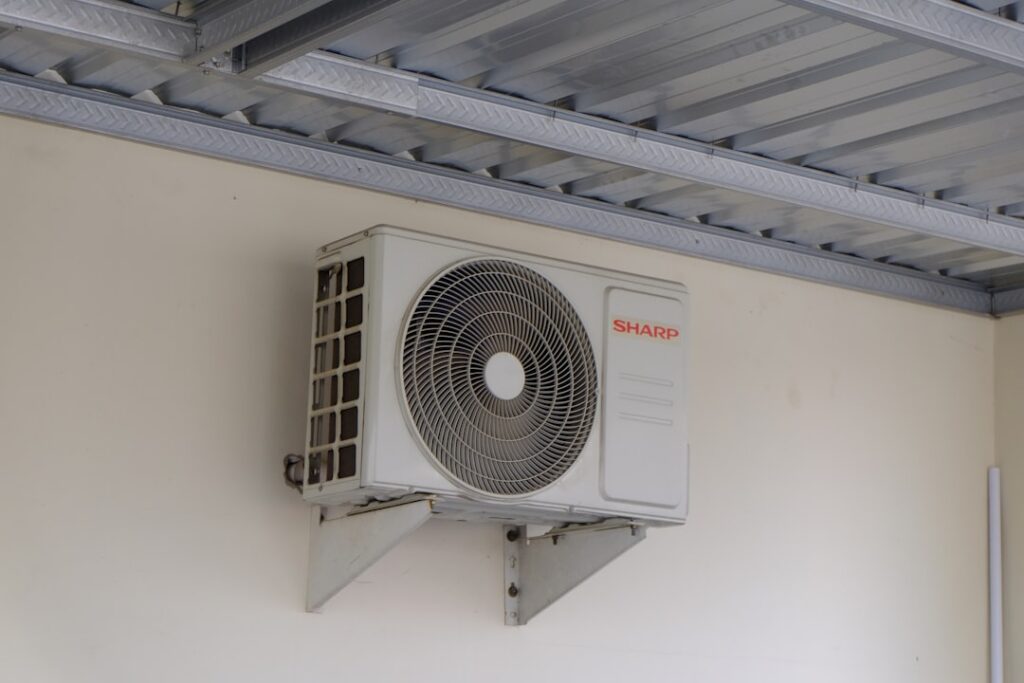
Shopping ductless systems online turns up dozens of nameplates at wildly different prices, and figuring out which ones to skip matters more than most buyers realize. Rather than name-and-shame specific companies, the smartest way to spot the mini split brands to avoid is to learn the warning signs that predict a bad ownership experience. A $900 unit that no local tech will touch is far more expensive than a $1,600 unit backed by real support.
After years around ductless equipment, I can tell you the failures rarely come from the compressor on day one. They come from thin warranties, parts you can’t source, and a support line that goes nowhere when something breaks in year three. Here’s how to shop so you never end up there.
- Why the Brand Behind the Box Matters
- Warranty Red Flags to Watch For
- Certification: The Non-Negotiable Check
- The Parts and Support Problem
- Price Traps and Where the Money Goes
- What a Reliable Brand Looks Like Instead
- The DIY-Only Unit Question
- How Reputation Shows Up in the Details
- What Failure Actually Costs
- A Simple Pre-Purchase Checklist
Why the Brand Behind the Box Matters
A mini split is a sealed refrigeration system with a control board, sensors, and an inverter-driven compressor. Every one of those parts can fail, and when it does you need two things: a replacement part that actually exists, and a technician willing to install it. Off-brand systems frequently fall down on both counts.
The reputable manufacturers keep regional parts warehouses, publish service manuals, train contractors, and stand behind multi-year warranties. A no-name importer selling through a marketplace listing often has none of that infrastructure. When the board fries, you discover the “warranty” requires you to ship the unit back at your expense, or that the specific control board was never stocked in the US at all.
Warranty Red Flags to Watch For
The warranty document tells you more about a brand’s confidence than any spec sheet. Established makers offer 10 years on the compressor and 5 to 7 years on parts, and they mean it. Watch for these warning signs instead:
- Short coverage. A 1 to 2 year parts warranty on a system that should last 15 years signals the maker doesn’t expect it to hold up.
- DIY installs that void everything. Some budget units are sold as self-install, then the fine print voids the warranty the moment a non-licensed person touches the refrigerant. Read that clause before you buy.
- Labor never covered. Even good brands rarely cover labor past the first year, but a reputable one at least ships you the part free. A red-flag brand makes you pay for the part and the diagnosis.
- Registration traps. A warranty that quietly drops from 10 years to 1 year if you miss a 30-day registration window is designed to be voided.
Certification: The Non-Negotiable Check
Before anything else, confirm the equipment carries real certification. This is the single fastest filter for weeding out the junk.
- AHRI certification. The Air-Conditioning, Heating, and Refrigeration Institute verifies that a system actually delivers its advertised SEER2 and BTU numbers. If a model isn’t in the AHRI directory, treat those efficiency claims as fiction.
- ENERGY STAR listing. Not mandatory, but its absence on a supposedly high-efficiency unit is telling, and it’s required for many utility rebates.
- UL or ETL safety listing. This covers the electrical safety of the equipment. No listing, no install by any electrician who values their license.
- EPA compliance. Legitimate refrigerant handling and proper labeling matter, and reputable brands make this paperwork easy to find.
A brand that can’t produce these certifications, or buries them, tells you exactly how much it has invested in doing things right.
The Parts and Support Problem
Here’s the scenario that turns a cheap unit into a total loss. Three years in, the outdoor fan motor or main board fails. You call around and no local HVAC company will touch the brand because they can’t get parts and don’t want the liability. You contact the seller and find the company rebranded, the listing is gone, or the “support” email bounces.
Now that $900 system is landfill, and you’re paying full price for a replacement anyway. This is why contractor support is the real currency in ductless. Before you buy any unit, call two local HVAC companies and ask a simple question: “Do you service this brand?” If both say no, walk away no matter how good the price looks.
Price Traps and Where the Money Goes
An unusually low price is almost never a bargain in this category, and understanding why protects you. The savings on a rock-bottom unit come from somewhere: no US parts inventory, no engineering support, cheaper compressors, thinner heat exchangers, and no service network.
The other classic trap is the “DIY-only” unit sold with a pre-charged quick-connect line set. The pitch is that you skip the installer. The reality is that many of these systems still legally require EPA-certified refrigerant handling if the line set ever needs cutting or extending, the quick-connect fittings are a common leak point, and any charging error tanks efficiency. Factor in that a botched self-install voids the warranty, and the “savings” evaporate.
Match the price against total cost of ownership over 15 years, and a reputable mid-tier system almost always wins.
What a Reliable Brand Looks Like Instead
Flip every red flag around and you have your buying checklist. A brand worth your money shows these traits:
- Listed in the AHRI directory with matching SEER2 and BTU figures
- 10-year compressor and 5-plus-year parts warranty in plain language
- US parts distribution and a published service manual
- A dealer or contractor network so local techs will service it
- A company with a multi-year track record and a real physical address
- UL or ETL and ENERGY STAR listings you can verify yourself
Names that consistently clear this bar include Mitsubishi, Daikin, Fujitsu, LG, and US-established brands like Friedrich, and even value lines like Senville or MRCOOL that at least maintain support and parts. The point isn’t brand loyalty; it’s insisting on the infrastructure behind the box.
The DIY-Only Unit Question
A whole category of budget ductless is built around the DIY pitch, and it deserves its own honest look. These systems ship with a pre-charged line set and quick-connect fittings so a homeowner can, in theory, mount both units and couple them without an EPA certification or a vacuum pump. Some are genuinely serviceable; others are traps.
The upside is real: skipping the installer can save $1,000 to $1,800 in labor. The catches are equally real. Quick-connect couplings are a more common long-term leak point than a properly flared and evacuated connection. If the line set is too long for your run, you’re back to needing a licensed tech to cut, flare, and recharge it, which voids the DIY warranty on many units. And when the compressor or board fails in year four, you own the diagnosis and repair with no professional in the loop. If you go this route, buy only a brand that maintains US parts inventory and a support line, and verify the exact model is AHRI listed before you click purchase.
How Reputation Shows Up in the Details
You can often read a brand’s seriousness from small signals before you ever buy. Reliable manufacturers publish full engineering data: line-set length limits, minimum operating temperatures, sound ratings in decibels, and detailed SEER2 and HSPF2 figures by model. The brands to be wary of tend to advertise a single big SEER number with no supporting documentation, list vague BTU ranges, and offer a manual that reads like a rushed translation.
Other tells worth noting:
- Model number stability. Reputable lines keep model numbers for years so parts stay cross-compatible. Constantly changing model codes suggest a rebadged importer with no long-term parts plan.
- A real physical address and phone support. If the only contact is a marketplace message system, service years later is a gamble.
- Third-party review depth. Look for reviews that mention service experiences three or four years in, not just unboxing impressions.
- Contractor familiarity. When local pros recognize and stock a brand, that’s the market telling you it’s supportable.
What Failure Actually Costs
Put real numbers on the risk and the math becomes obvious. A no-name single-zone unit might sell for $900 against $1,700 for a supported mid-tier system, an $800 saving up front. Now the control board fails in year three. On the reputable unit, the part is covered under a 5-year warranty and a local tech installs it for a $250 to $400 service call. On the off-brand unit, no local company will touch it, the board isn’t stocked in the US, and you replace the whole system, paying full price a second time.
That $800 saving turned into a four-figure loss. Multiply the risk across a 15-year expected lifespan and the value case for a supported brand is overwhelming. Cheap equipment is only cheap if nothing ever breaks, and refrigeration equipment always eventually breaks.
A Simple Pre-Purchase Checklist
Run any candidate through these five questions before you spend a dollar:
- Is the exact model number in the AHRI directory?
- What does the written warranty cover, for how long, and what voids it?
- Will two local HVAC companies service and source parts for this brand?
- Does it carry UL or ETL safety listing?
- Is the total installed cost realistic, and does a suspiciously low price hide missing support?
Get clean answers to all five and you’ve filtered out the genuinely risky picks. The mini split brands to avoid aren’t defined by a logo, they’re defined by missing warranties, absent certifications, unavailable parts, and no one to call when something goes wrong. Shop the support structure, not just the sticker price, and your ductless system will still be quietly heating and cooling your home 15 years from now.