A mini split HVAC system heats and cools your home without any ductwork, using a compact outdoor compressor connected to one or more wall- or ceiling-mounted indoor units. For additions, converted garages, sunrooms, older homes without ducts, and anyone chasing lower energy bills with room-by-room control, ductless mini splits have become one of the most popular comfort upgrades in American homes. Understanding how they work and what installation really costs will help you decide whether one belongs in your house.
- How a Mini Split Works
- Single-Zone vs. Multi-Zone
- Sizing Your System
- Cost to Buy and Install
- Efficiency and Operating Cost
- Federal and Utility Incentives
- DIY vs. Professional Installation
- Common Mistakes to Avoid
- Maintenance and Lifespan
- Indoor Unit Styles
- Placement for Best Performance
- Noise, Air Quality, and Comfort
- Is a Mini Split Right for You?
How a Mini Split Works
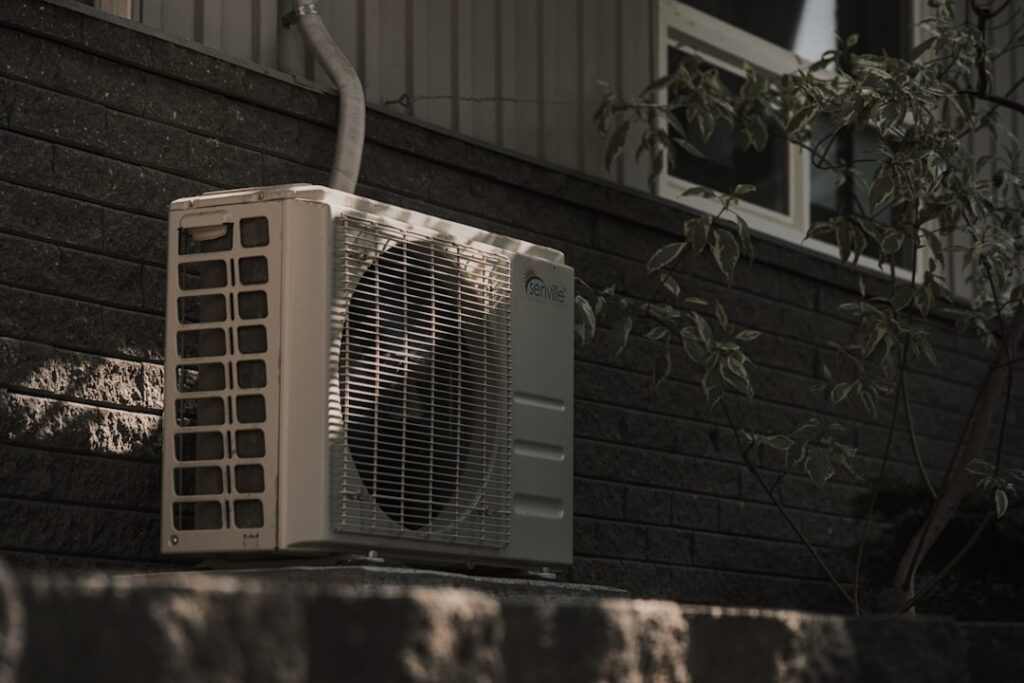
A mini split is a heat pump, meaning it moves heat rather than generating it. In summer it pulls heat out of your indoor air and dumps it outside; in winter it reverses, extracting heat from outdoor air, even cold air, and delivering it inside. The outdoor condenser connects to each indoor air handler through a thin conduit carrying refrigerant lines, a power cable, and a condensate drain, all running through a hole about three inches wide in the exterior wall. No bulky ducts, no basement air handler, no attic runs.
Because there are no ducts, you avoid the 20 to 30 percent energy loss that ducted systems suffer through leaks and conduction. That efficiency is a big part of the appeal.
Single-Zone vs. Multi-Zone
A single-zone system pairs one outdoor unit with one indoor head, ideal for a single room, a garage conversion, or a bonus space over a garage. A multi-zone system connects one outdoor unit to two, three, four, or more indoor heads, letting you condition several rooms independently. Each head has its own remote and thermostat, so you can cool the bedroom while leaving an unused guest room off entirely. That zoning is where mini splits save real money compared to conditioning the whole house at once.
Sizing Your System
Sizing is measured in BTUs, and getting it right matters more than with many appliances. Undersize and the unit runs constantly without ever catching up; oversize and it short-cycles, cooling the air fast but never running long enough to remove humidity, leaving rooms clammy. A rough rule is 20 BTU per square foot, so a 500-square-foot room needs about a 10,000 to 12,000 BTU head. Ceiling height, insulation quality, window count, sun exposure, and climate all adjust that figure, which is why a professional Manual J load calculation is worth doing for multi-zone installs.
- 9,000 BTU: up to about 400 sq ft
- 12,000 BTU: roughly 400 to 550 sq ft
- 18,000 BTU: roughly 600 to 900 sq ft
- 24,000 BTU: roughly 900 to 1,400 sq ft
Cost to Buy and Install
A single-zone mini split typically costs $2,000 to $5,000 installed, depending on capacity and brand. Multi-zone systems run $4,000 to $10,000 or more as you add heads. The equipment itself is only part of the price; professional installation includes mounting, refrigerant line runs, electrical work, a dedicated circuit, and a vacuum-and-charge of the refrigerant system. Premium brands like Mitsubishi and Daikin command higher prices but deliver excellent cold-climate performance and long warranties; value brands like Pioneer, MRCOOL, and Senville cost less and, in the case of MRCOOL’s DIY line, ship with pre-charged quick-connect lines aimed at handy homeowners.
Efficiency and Operating Cost
Mini splits are among the most efficient HVAC systems available. Look at two ratings: SEER2 for cooling and HSPF2 for heating. Quality units hit 18 to 30+ SEER2, far above the 13 to 15 of older central systems. Higher numbers mean lower bills. Inverter-driven compressors ramp up and down smoothly instead of cycling fully on and off, holding a steadier temperature while sipping electricity. In moderate climates, homeowners commonly cut heating and cooling costs 25 to 50 percent versus electric resistance heat or window units.
Federal and Utility Incentives
Because mini split heat pumps are efficient electric systems, they qualify for meaningful incentives. Federal tax credits under current energy legislation can cover 30 percent of the cost of a qualifying heat pump, up to $2,000 per year, and many utilities and state programs add rebates on top. Always confirm the specific model meets the efficiency thresholds before assuming a credit, and keep your receipts and the manufacturer’s certification statement for tax time. These incentives can shave thousands off a project.
DIY vs. Professional Installation
Most mini splits require a licensed HVAC technician because handling refrigerant is federally regulated and requires EPA certification plus specialized vacuum and gauge equipment. A pro will also ensure the line set is properly flared, evacuated, and charged, which is critical to longevity. The exception is DIY-focused lines like MRCOOL that use pre-charged quick-connect lines, letting a capable homeowner handle mounting and connections while still typically needing an electrician for the dedicated circuit. Even then, permits and inspections usually apply.
Common Mistakes to Avoid
- Oversizing. Bigger is not better; it kills humidity control and comfort.
- Poor placement. Mounting a head above a doorway or aimed at a wall wrecks air distribution.
- Neglecting the filters. Dirty filters cut efficiency and airflow; rinse them every few weeks.
- Skipping cold-climate specs. In northern states, choose a hyper-heat model rated to perform below zero.
- Ignoring the condensate line. A clogged or poorly pitched drain causes leaks and water damage.
Maintenance and Lifespan
Mini splits are low-maintenance but reward attention. Clean the washable filters monthly during heavy use, keep the outdoor unit clear of leaves and snow, and have a technician check refrigerant levels and clean the coils annually. Well-maintained systems last 15 to 20 years, comfortably outlasting most window units and rivaling central systems. The indoor heads run remarkably quietly, often under 25 decibels on low, which is why they are so popular in bedrooms and home offices.
Indoor Unit Styles
The familiar wall-mounted head is not your only option, and choosing the right style improves both comfort and looks. Wall-mounted units are the most common and least expensive, mounting high on a wall and blowing air across the room. Ceiling-cassette units recess into a dropped ceiling and distribute air in four directions, ideal for larger open rooms where a wall unit would look intrusive. Floor-mounted consoles sit low against a wall like a radiator, a good fit for rooms with lots of glass or sloped ceilings where wall mounting is awkward, and they warm cold floors nicely in winter. Short-duct or concealed-duct air handlers tuck into a soffit or closet and feed a couple of small registers, giving a more traditional hidden look for homeowners who dislike the visible box. Mixing styles across zones lets you match each room’s needs.
Placement for Best Performance
Where the installer mounts each indoor head has an outsized effect on comfort. A wall unit should sit high on an interior or exterior wall with clear space in front of it so air can throw across the whole room, not aimed straight into a wall, a bookshelf, or a doorway a few feet away. Avoid placing it directly above a bed or a desk where the constant airflow becomes annoying. The outdoor condenser needs its own consideration: set it on a level pad or wall bracket with clearance around it for airflow, away from bedroom windows since it does make some noise, and where winter snow and falling leaves will not bury it. In snowy climates, raising the outdoor unit on a stand or bracket keeps it above drifts and improves winter heating reliability.
Noise, Air Quality, and Comfort
One of the quiet pleasures of a mini split is how little you notice it running. Indoor heads operate as low as 19 to 25 decibels on their lowest setting, quieter than a whisper, which is why they are so popular in bedrooms and home offices where a window unit’s rattle would be intolerable. Beyond quiet, most units include washable filters that catch dust and pollen, and many offer upgraded filtration or ionizing options that improve indoor air quality. The inverter compressor’s steady, variable output also means no jarring blasts of cold air and no dramatic temperature swings, just a consistent, comfortable room. For allergy sufferers and light sleepers, these comfort and air-quality benefits often matter as much as the energy savings.
Is a Mini Split Right for You?
If you have a room that is always too hot or too cold, a home without ductwork, an addition or garage conversion, or high electric-heat bills, a mini split HVAC system is often the most efficient and least disruptive solution available. The upfront cost is higher than a window unit but far lower and less invasive than adding central ducts, and the zoned control and efficiency pay back over time. Size it correctly, choose a reputable brand suited to your climate, and let a certified installer handle the refrigerant work for years of quiet, efficient comfort.