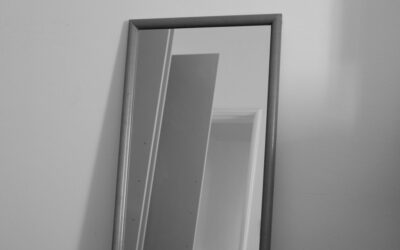
A mirror is the classic mantel centerpiece, but propping one on the shelf instead of bolting it to the wall has become the more relaxed, layered look designers favor. A mirror on mantle that leans against the wall feels casual and collected, and it lets you swap things out without patching holes. The catch is that a leaning mirror has to be sized right, styled with intention, and secured so it can’t slide or tip, especially with kids, pets, or a busy household. Here’s how to get the propped-mirror look without the wobble.
Leaning vs. Hanging: Why Propped Wins for Style
Hanging a mirror flat on the wall above a mantel is clean and traditional, but a leaning mirror brings a softer, more curated feel. The slight backward tilt catches light and reflects the room at a flattering angle, and it reads as effortless, like the mirror was placed rather than installed. Propping also gives you flexibility: you can layer objects in front of it, shift it left or right, and change the whole arrangement in minutes. For renters and anyone who likes to redecorate, leaning avoids commitment to a single nail location. The trade-off is stability, which we’ll address, but for styling, propped almost always looks more interesting than a centered hung mirror.
Getting the Size Right
Scale is what makes or breaks a mantel mirror. As a starting rule, the mirror should span roughly two-thirds to three-quarters of the mantel’s width, wide enough to feel substantial, but not so wide it overhangs the shelf. Height is a judgment call with a leaning mirror: a tall mirror that reaches well up the wall makes a dramatic statement, while a shorter, wider mirror keeps things calm. Avoid a mirror so small it looks lost on a wide mantel, or so large it dominates and crowds anything you set beside it.
- Aim for a mirror about two-thirds to three-quarters of the mantel width.
- Center it, or offset it intentionally and balance the other side with decor.
- Leave room on the shelf for layering pieces in front.
Layering for a Collected Look
The best part of a leaning mirror is that it becomes a backdrop. Layer objects in front of and beside it to build depth, the mirror reflects them and doubles the visual richness. Lean a smaller piece of art partly in front of one edge, set a pair of candlesticks or a vase to one side, and let some items overlap the mirror’s bottom edge. Vary the heights so the arrangement steps up and down rather than sitting in a flat row. The goal is a relaxed, gathered look, not a symmetrical museum display. Odd numbers of objects and a mix of textures, metal, ceramic, greenery, read more naturally than matched pairs everywhere.
Securing a Leaning Mirror So It Can’t Tip
This is the part people skip, and it’s the most important. A leaning mirror is top-heavy and can slide off a smooth mantel or tip forward if bumped, a serious hazard with a heavy glass piece. Anchor it. The simplest method is a safety strap or anti-tip device: attach a small D-ring or eye hook to the back of the mirror frame and tether it to a wall anchor or stud behind the mantel, so even if the base slips, the mirror can’t fall. You can also screw a small cleat or stop along the mantel’s front edge to keep the base from sliding forward. For lighter mirrors on a smooth shelf, a strip of non-slip rubber or museum gel under the base adds grip. Never rely on weight alone, especially in a home with children or pets.
Managing the Tilt and Reflection
A leaning mirror angles slightly downward, so it reflects whatever sits across from it, sometimes the ceiling, a light fixture, or a cluttered corner. Before you settle the mirror in place, sit where you usually do and check what it reflects. Aim the angle so it bounces something pleasant, a window, a chandelier, an opposite piece of art, rather than the underside of the mantel or a blank ceiling. Adjusting the prop angle even slightly changes the reflection, so take a minute to fine-tune it.
Choosing a Frame That Fits the Room
The frame sets the tone. A heavy carved or gilded frame suits traditional and formal rooms; a thin black metal or simple wood frame leans modern and farmhouse; a frameless or beveled mirror feels clean and contemporary. Match the frame finish to nearby metals and the mantel material so the mirror belongs to the room rather than floating as an unrelated object. A weathered or antiqued mirror surface can add character, but make sure it still reads as a mirror and not just a dark panel.
Mantel Depth and Weight Considerations
Before you commit to leaning, check whether your mantel can physically support the lean. A shallow mantel shelf, anything under about five or six inches deep, gives a large mirror very little base to rest on, which makes it both unstable and prone to sliding forward. A deeper mantel, or one with a slight back ledge, holds a propped mirror far more securely. If your shelf is narrow, a smaller, lighter mirror is safer than a large heavy one that overhangs the front edge.
Weight is the other factor. A big framed mirror can weigh a surprising amount, and that mass concentrated on a thin shelf edge is exactly what causes tipping. For anything heavy, the wall tether described earlier isn’t optional, it’s the difference between decor and a hazard. Confirm the mantel itself is solidly mounted too; an old or loose mantel shelf is not a safe base for a heavy leaning mirror. When in doubt, hang the mirror conventionally on the wall and lean a smaller decorative piece on the shelf for the layered effect.
Pulling the Look Together
A leaning mantel mirror works best when it feels like part of a considered vignette: correctly scaled to the shelf, layered with a few well-chosen objects, angled to reflect something nice, and, above all, securely anchored so it stays put. Get those pieces right and the propped mirror delivers that easy, designer-collected look while staying safe. It’s a small change from hanging that makes a mantel feel far more personal, just don’t let “casual” mean “unsecured.”