In my 20+ years of flooring experience, I’ve never seen tile design evolve as rapidly as it has in the last five years. Modern flooring tiles have moved far beyond the basic 12×12 ceramic squares that dominated homes for decades. Today’s options include stunning large-format slabs, intricate geometric patterns, and materials that mimic everything from poured concrete to reclaimed wood with startling accuracy.
- Trending Modern Tile Styles
- Concrete-Look Tiles
- Terrazzo-Look Tiles
- Marble-Look Porcelain
- Wood-Look Planks
- Zellige and Handmade-Look Tiles
- Geometric and Patterned Tiles
- Natural Stone-Effect Tiles
- Modern Tile Materials
- Popular Formats and Sizes
- Large Format (24×24, 24×48, 36×36)
- Plank Format (6×36, 8×48, 12×72)
- Hexagonal
- Chevron and Herringbone Shapes
- Mixed Format and Modular
- Modern Tile Color Trends
- Warm Neutrals
- Whites and Off-Whites
- Deep, Moody Tones
- Earth Tones and Organic Colors
- Black and White Graphic
- Modern Pattern and Layout Ideas
- Room-by-Room Design Guide
- Cost Guide for Modern Tiles
- Installation Considerations
- Frequently Asked Questions
If you’re planning a renovation and want flooring that feels current without being trendy (there’s a difference), this guide covers every modern tile style, material, and design approach worth considering right now.
Trending Modern Tile Styles
Concrete-Look Tiles
Concrete-look porcelain tiles are arguably the biggest trend in modern flooring right now. They capture the raw, industrial aesthetic of poured concrete with all the practical benefits of porcelain — water resistance, easy maintenance, and consistent quality. The best concrete-look tiles feature subtle color variation, realistic surface textures, and even simulated hairline cracks that make them remarkably convincing.
I’ve been installing these in lofts, modern kitchens, and open-plan living spaces with excellent results. They’re particularly effective in large formats (24×48 or larger) with minimal grout lines, which enhances the seamless concrete appearance.
Terrazzo-Look Tiles
Terrazzo has made a massive comeback, but instead of the traditional poured-in-place method (which is extremely expensive), modern terrazzo-look porcelain tiles deliver the speckled, aggregate-rich aesthetic at a fraction of the cost. You can find options ranging from classic small-chip designs to bold large-aggregate patterns with colorful fragments.
What I love about modern terrazzo tiles is the color range — from traditional neutral whites and grays to vibrant pinks, greens, and blues that would be difficult or impossible with real terrazzo. They work beautifully in bathrooms, kitchens, and retail spaces.
Marble-Look Porcelain
Marble-look porcelain has been trending for years, and the technology keeps getting better. Current-generation marble-look tiles feature full-body color (the pattern goes through the tile, not just on the surface), veining that continues across multiple tiles for a realistic slab effect, and polished finishes that rival real marble’s luminosity.
The practical advantage is huge — you get the look of Carrara, Calacatta, or Statuario marble without the etching, staining, and sealing maintenance that real marble demands. For bathroom floors and kitchen backsplashes, it’s a no-brainer.
Wood-Look Planks
Wood-look porcelain planks continue to evolve in realism. The latest generation features longer plank formats (up to 12×72 inches), more realistic grain textures, and matte finishes that closely mimic real hardwood. These are my go-to recommendation for clients who want the warmth of wood in kitchens, bathrooms, and basements where real wood is impractical.
Zellige and Handmade-Look Tiles
Zellige tiles — those beautifully imperfect, hand-glazed Moroccan tiles — have become hugely popular in modern interiors. While traditionally used on walls, glazed zellige-style floor tiles are now available in slip-resistant versions. The handmade quality, with its slight color variations and subtle undulations, adds warmth and character that mass-produced tiles simply can’t match.
Geometric and Patterned Tiles
Bold geometric patterns are having a moment. Hexagonal tiles, encaustic cement tiles with intricate patterns, and graphic black-and-white designs create stunning focal floors in entryways, bathrooms, and kitchen areas. The key to using geometric tiles successfully in a modern context is restraint — let the floor be the statement and keep surrounding finishes simple.
Natural Stone-Effect Tiles
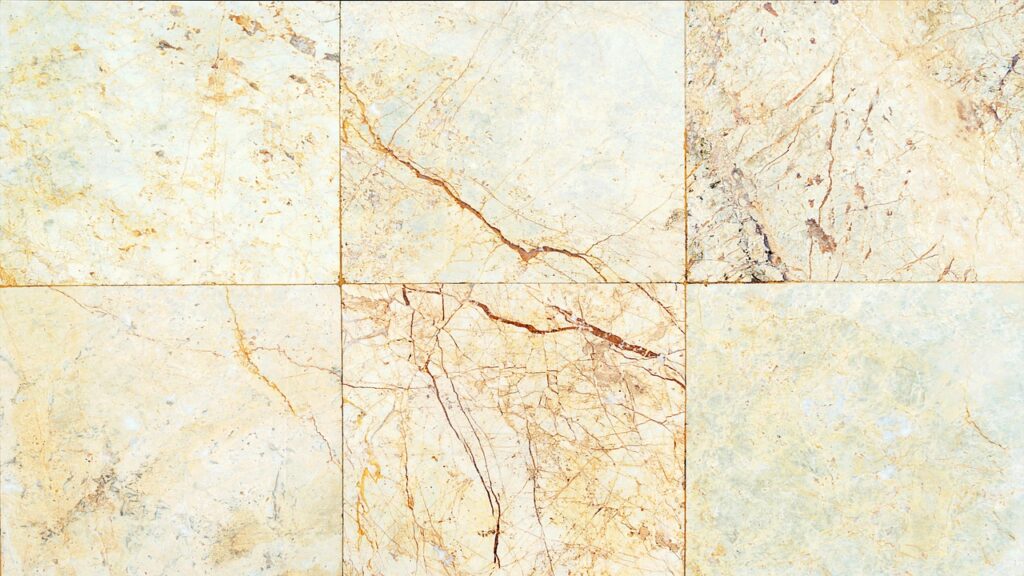
Beyond marble, modern porcelain tiles now convincingly replicate slate, limestone, travertine, and quartzite. These offer the organic beauty of natural stone with the uniform thickness, consistent quality, and lower maintenance of porcelain. Stone-effect tiles in muted earth tones are particularly popular in contemporary organic and biophilic design schemes.
Modern Tile Materials
Porcelain
Porcelain dominates the modern tile market, and for good reason. Fired at higher temperatures than ceramic (above 2,200°F), porcelain is denser, harder, and more moisture-resistant. Modern porcelain tiles are available in virtually any look — wood, stone, concrete, metal, fabric — with remarkable realism. Water absorption rates below 0.5% make porcelain suitable for any indoor or outdoor application.
Large-Format Porcelain Slabs
Porcelain slabs (also called gauged porcelain panels) represent the cutting edge of tile technology. Available in sizes up to 5×10 feet and as thin as 6mm, these massive slabs create nearly seamless surfaces with minimal grout lines. Brands like Neolith, Dekton, and Florim produce stunning slab options that can be used on floors, walls, countertops, and even furniture.
Cement (Encaustic) Tiles
Handmade cement tiles feature pigmented designs that go through the full thickness of the tile. Popular in Mediterranean and bohemian design styles, modern cement tiles come in geometric patterns, floral motifs, and graphic designs. They require sealing and more maintenance than porcelain, but the handcrafted quality and unique character make them worth the effort for accent areas.
Advanced Ceramic
Don’t write off ceramic — modern ceramic tiles have improved dramatically in quality and design options. While not as hard or dense as porcelain, high-quality ceramic tiles offer excellent value for interior floors with moderate traffic. Many stunning modern designs are available in ceramic at significantly lower price points than porcelain.
Natural Stone
Natural stone tiles — marble, granite, slate, limestone, travertine — remain relevant in modern design, particularly in luxury applications. The current trend favors honed or leathered finishes over high-polish, which gives stone a more contemporary, understated look. Large-format natural stone tiles (18×36 and larger) are particularly popular.
Popular Formats and Sizes
Large Format (24×24, 24×48, 36×36)
Large-format tiles are the defining feature of modern floor design. Fewer grout lines create a cleaner, more expansive look that makes rooms feel larger. The 24×48 format has become the sweet spot for modern residential floors — large enough to make a visual impact but manageable for installation. For open-plan spaces, I often recommend 36×36 or even larger formats.
Plank Format (6×36, 8×48, 12×72)
Plank-format tiles are essential for wood-look applications. Longer, narrower dimensions mimic the proportions of real hardwood planks. The trend is moving toward longer planks — 8×48 and 12×72 formats create the most realistic wood floor effect. Just be aware that longer planks require a flatter subfloor to prevent lippage (tile edges sticking up).
Hexagonal
Hexagonal tiles add modern geometric interest while maintaining an organic, honeycomb feel. Available in sizes from tiny 1-inch mosaics to large 10-inch hexagons, they’re incredibly versatile. Large hexagonal tiles in concrete or marble looks create stunning modern floors, while small hex mosaics add texture and visual interest to bathroom floors.
Chevron and Herringbone Shapes
Pre-cut chevron and herringbone tiles (rather than installing rectangular tiles in a herringbone pattern) create perfectly aligned geometric patterns with minimal installation fuss. These work beautifully in marble-look and wood-look porcelain for a sophisticated, contemporary floor design.
Mixed Format and Modular
Some modern tile collections offer multiple coordinating sizes and shapes that can be mixed for dynamic floor designs. Combining large-format tiles with mosaic accents or mixing rectangular tiles in different sizes creates visual interest while maintaining a cohesive modern aesthetic.
Modern Tile Color Trends
Warm Neutrals
The dominance of cool grays is fading as warm neutrals take center stage. Greige (gray-beige), warm taupe, sand, and honey tones create inviting spaces that feel both modern and comfortable. This shift reflects a broader design movement toward softer, more livable interiors.
Whites and Off-Whites
Clean white tiles remain a modern staple, particularly in marble-look applications. The trend has shifted from bright, stark whites to softer off-whites, warm whites, and creamy tones that feel more natural and less clinical. White floors paired with warm wood accents and natural materials create that coveted contemporary Scandinavian look.
Deep, Moody Tones
Dark tiles in charcoal, deep navy, forest green, and rich black are making a statement in modern interiors. They’re dramatic, sophisticated, and create a sense of depth and luxury. The key is balancing dark floors with lighter walls and adequate lighting to prevent the space from feeling cave-like.
Earth Tones and Organic Colors
Terracotta, olive green, warm brown, and clay-inspired colors reflect the biophilic design movement — bringing natural elements into interior spaces. These earthy tones pair beautifully with natural materials like wood, rattan, and linen for a modern organic aesthetic.
Black and White Graphic
Bold black-and-white patterned tiles — checkered, geometric, or encaustic designs — create eye-catching modern floors with timeless appeal. This classic combination works in entryways, powder rooms, and kitchen floors where you want a strong design statement.
Modern Pattern and Layout Ideas
Stacked Bond (Grid)
Running tiles in a simple grid pattern with aligned joints creates the cleanest, most contemporary look. This works best with large-format tiles and minimal grout lines (1/16″ grout joints). The precision of aligned joints emphasizes the modern aesthetic and lets the tile itself be the focus.
Staggered (Brick) Layout
The classic brick layout with 50% offset remains popular for plank-format tiles and rectangular formats. For a more modern take, try a 33% offset instead of the traditional 50% — it creates a subtler pattern that feels more contemporary.
Herringbone Layout
Herringbone is having a major moment in modern tile design. Whether in wood-look planks, marble-look rectangles, or solid colors, the herringbone pattern adds dynamic movement and visual interest. It’s particularly effective in hallways, entryways, and elongated spaces.
Chevron Layout
Similar to herringbone but with angled-cut tiles that create clean V-shaped joints, chevron feels slightly more refined and contemporary. It’s a popular choice for modern marble-look and wood-look floors.
Transition Patterns
One of my favorite modern design techniques is transitioning between different tile patterns or materials within the same space. For example, a hexagonal tile field in the kitchen transitioning to wood-look planks in the living area, with an organic, flowing border between the two. These transitions create visual zones in open-plan spaces without physical barriers.
Room-by-Room Design Guide
Kitchen
For modern kitchens, large-format concrete-look or marble-look porcelain tiles are the top choice. Choose matte or soft-matte finishes for slip resistance and a contemporary feel. Grout color should match or closely complement the tile to minimize grout line visibility. Consider extending the same tile from the kitchen floor up a portion of the wall for a sleek, unified look.
Bathroom
Modern bathrooms offer the most opportunity for creative tile design. Large-format tiles on the floor with coordinating wall tiles create a spa-like atmosphere. Smaller mosaic tiles (1×1 or 2×2) are better for shower floors where slope-to-drain is needed. Consider a curbless shower design with continuous floor tile for the most modern, accessible look.
Living Room
Large-format porcelain (24×48 or larger) in warm neutrals or concrete looks creates a stunning modern living room floor. The key is choosing a comfortable finish — textured surfaces feel better underfoot than slick polished finishes. Pair with area rugs for warmth and acoustic absorption. Radiant floor heating under tile makes these living spaces incredibly comfortable.
Entryway
The entryway is the place to make a bold tile statement. Geometric patterns, encaustic designs, or dramatic marble-look tiles create an immediate impression. Choose durable, slip-resistant options that can handle dirt, moisture, and heavy foot traffic. A distinct tile design in the entryway can define the space in an otherwise open floor plan.
Cost Guide for Modern Tiles
Material Price Ranges
- Budget ceramic ($1-$3/sq ft): Basic modern looks, suitable for low-traffic areas
- Mid-range porcelain ($3-$8/sq ft): Good selection of modern styles, decent quality
- Premium porcelain ($8-$15/sq ft): Top-quality designs, advanced printing technology, best realism
- Porcelain slabs ($15-$30/sq ft): Ultra-large format, luxury applications
- Cement/encaustic tiles ($8-$20/sq ft): Handmade character, unique patterns
- Natural stone ($5-$25/sq ft): Varies widely by stone type and origin
Installation Costs
Modern tile installation costs vary significantly based on format and complexity:
- Standard format (12×24, 24×24): $5-$10/sq ft installed
- Large format (24×48+): $8-$15/sq ft installed (requires skilled installers)
- Porcelain slabs: $15-$25/sq ft installed (specialized equipment needed)
- Mosaic and pattern work: $10-$20/sq ft installed
- Herringbone/chevron: $8-$15/sq ft installed
Don’t try to save money by hiring an inexperienced installer for large-format or slab tiles. These formats require specialized skills, tools (large-format suction cups, leveling systems), and experience. A poorly installed modern tile floor looks worse than a well-installed basic one.
Installation Considerations
Subfloor Requirements
Modern large-format tiles are less forgiving of subfloor imperfections than smaller tiles. The subfloor must be flat within 1/8″ over 10 feet (and even flatter for very large formats). Use self-leveling compound to achieve the necessary flatness. An uncoupling membrane like Schluter DITRA is recommended to prevent cracked tiles caused by substrate movement.
Lippage Control
Lippage — when tile edges are higher or lower than adjacent tiles — is the enemy of modern tile installations. Large-format tiles and minimal grout joints make lippage extremely noticeable. A tile leveling system (clips and wedges) is essential for professional-looking results. I use leveling systems on every large-format installation without exception.
Grout Selection
For modern tile floors, grout selection can make or break the look. Use matching or closely coordinating grout colors to minimize visible grout lines. Epoxy grout is more expensive but virtually maintenance-free and won’t stain or crack. For minimal grout joints (1/16″), rectified tiles (precision-cut with perfectly straight edges) are required.
Rectified vs. Pressed Edge Tiles
Modern, clean-line installations require rectified tiles. These are cut to precise dimensions after firing, resulting in perfectly straight, sharp edges that allow for very narrow grout joints. Pressed-edge tiles have slightly rounded edges from the manufacturing process and require wider grout joints (3/16″+), which looks less modern.
Frequently Asked Questions
What size tile makes a room look bigger?
Larger tiles with minimal grout lines create the illusion of a bigger space. For small rooms like bathrooms, I recommend at least 12×24 tiles and prefer 24×24 or 24×48 when the layout allows. The fewer grout lines breaking up the floor surface, the more expansive the room appears. Light-colored tiles enhance this effect further. A continuous tile floor that flows from one room to the next without transitions also makes the overall space feel much larger than using different flooring in each room.
Are large-format tiles harder to install?
Yes, significantly. Large-format tiles require a flatter subfloor, more precise layout planning, specialized handling tools (suction cups, large-format cutting equipment), and the use of tile leveling systems to prevent lippage. They’re also heavier and more prone to breakage during handling. I strongly recommend professional installation for tiles larger than 24×24 inches. The cost difference for professional installation is well worth it compared to the risk of a DIY installation that looks uneven or results in cracked tiles.
What is the most popular modern floor tile right now?
As of 2026, large-format concrete-look porcelain tiles in warm neutral tones are the single most popular modern floor tile choice. The typical specification is a 24×48 inch rectified porcelain tile in greige or warm gray, installed with 1/16″ grout joints in a matching grout color. This creates a clean, seamless look that works in virtually any modern design style. Close runners-up include white marble-look porcelain and warm-toned wood-look plank tiles. The overall trend is moving toward warmer tones and away from the cool gray palette that dominated for the past decade.
Can modern tiles be used with radiant floor heating?
Absolutely — tile is actually the ideal surface for radiant floor heating systems. Porcelain and ceramic tiles conduct and distribute heat efficiently, creating even warmth across the entire floor surface. Modern tiles in any style — large format, wood look, marble look, or geometric — work perfectly with both electric mat and hydronic radiant systems. The only consideration is using a flexible modified thin-set mortar rated for radiant heat installations to accommodate thermal expansion. I install radiant heat under tile floors regularly, and clients consistently report it as one of their favorite home features.
How do I choose between porcelain and ceramic for modern floors?
For high-traffic areas, wet areas (bathrooms, kitchens, entryways), and outdoor applications, choose porcelain. Its lower water absorption rate (below 0.5%) makes it more durable, frost-resistant, and suitable for demanding environments. Ceramic is a good choice for bedrooms, home offices, and other moderate-traffic interior spaces where the lower cost (typically 30-50% less than comparable porcelain) makes sense. The visual quality of modern ceramic tiles has improved dramatically, so you won’t sacrifice style by choosing ceramic for appropriate applications. Check the PEI (Porcelain Enamel Institute) rating — PEI 3 or higher is suitable for residential floors.
Prefer to explore on your own?
See how new flooring looks in your actual room in seconds — free, no signup.
Try the free Floor Studio →