After three decades of installing showers in every style imaginable, I can tell you that the right shower tiles ideas make or break a bathroom renovation. The shower is the visual anchor of most bathrooms, and tile choices influence everything from daily maintenance to long-term home value. Whether you want a spa-like retreat or a bold statement space, this guide walks you through the designs, materials, and layouts that actually work once the grout dries.
Shower Tile Ideas by Style
Your shower tile should match the broader design language of your bathroom. Here are the most popular styles I install today and the tile choices that bring them to life.
Modern and minimalist. Large-format porcelain tiles in matte white, warm gray, or greige dominate this look. Think 24×48-inch rectified panels with razor-thin grout lines. The fewer seams, the cleaner the aesthetic. Frameless glass enclosures amplify the effect.
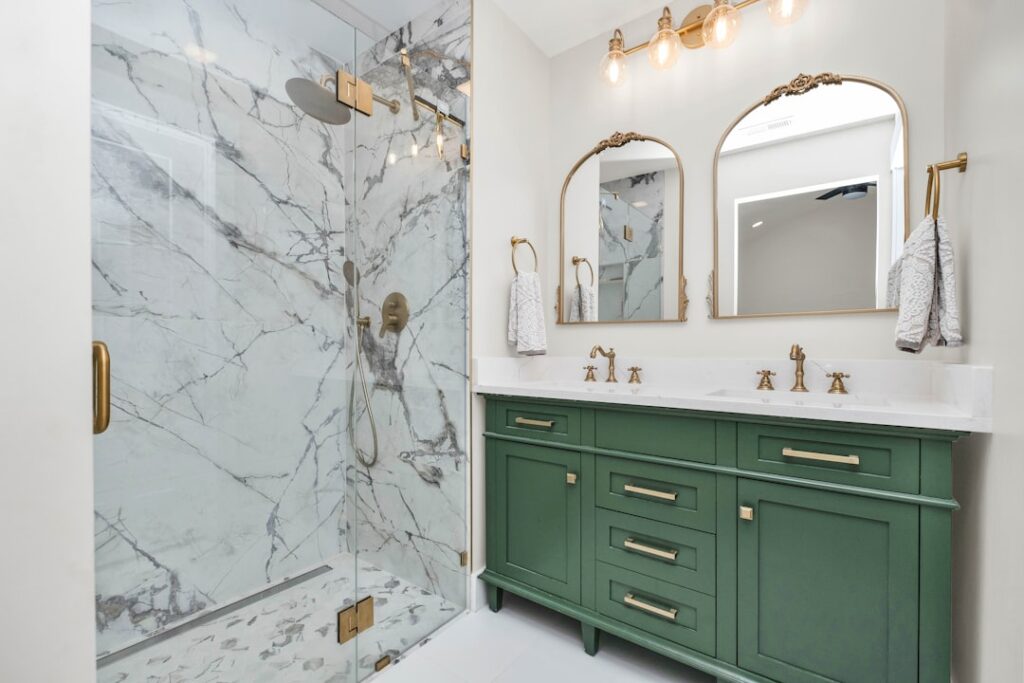
Traditional and classic. Subway tiles remain the go-to, typically in a 3×6 or 4×8 format with a glossy or crackle glaze. Pair them with a mosaic floor in a basketweave or penny-round pattern. Marble-look porcelain adds elegance without the maintenance burden of real stone.
Farmhouse and cottage. Handmade-look tiles with slightly irregular edges, shiplap-style horizontal layouts, and soft whites or sage greens define this category. Hexagonal floor tiles and oil-rubbed bronze fixtures complete the look.
Mediterranean and Moroccan. Zellige tiles, encaustic-look patterns, and rich jewel tones bring warmth and character. These tiles work best as accent features rather than floor-to-ceiling coverage.
Industrial and urban. Concrete-look porcelain, dark metal-effect tiles, and large textured panels suit loft-style bathrooms. Combine with matte black fixtures and open shelving for the full effect.
Best Tile Types for Showers
Not every tile belongs in a shower. Moisture, temperature changes, and constant foot traffic demand specific materials.
Porcelain tile. The top choice for showers. Porcelain absorbs less than 0.5% moisture, resists stains, and comes in virtually any look, from marble to wood to concrete. It handles both walls and floors with ease.
Ceramic tile. More affordable than porcelain and perfectly adequate for shower walls. For shower floors, choose ceramic rated for wet areas with adequate slip resistance (look for a COF of 0.60 or higher).
Natural stone. Marble, travertine, and slate bring unmatched beauty but require sealing every 6-12 months. Stone is porous, so it demands more maintenance than porcelain. I recommend it for accent features rather than full-shower coverage unless you commit to regular upkeep.
Glass tile. Stunning on accent walls and niches. Glass reflects light beautifully but shows water spots and soap residue more than other materials. It also requires a skilled installer because cutting is less forgiving.
Cement tile. Handmade and full of character, cement tiles are porous and must be sealed before grouting and again after installation. They work best on shower walls rather than floors.
Patterns and Layout Options
The same tile looks completely different depending on how you lay it. These are the patterns I recommend most often.
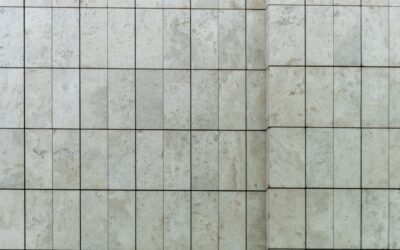
Straight stack (grid). Tiles aligned in a perfect grid. Clean and modern, especially with rectified tiles and minimal grout lines. Works well with square and large-format rectangular tiles.
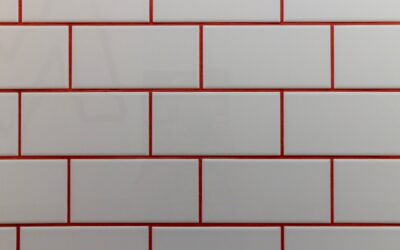
Brick offset (running bond). Each row is offset by half a tile. This is the classic subway pattern and remains the most popular layout for shower walls. It adds subtle visual interest without being busy.
Herringbone. Tiles set at 45-degree angles in a V pattern. Dramatic and elegant, herringbone works beautifully with subway tiles and slim rectangular formats. It increases labor cost by 15-25% due to the extra cuts.
Vertical stack. Subway tiles installed vertically instead of horizontally draw the eye upward and make showers feel taller. This is one of the fastest-growing trends I am seeing in 2026 projects.
Chevron. Similar to herringbone but with tiles cut at angles so the points align. It creates a sharper, more geometric look that suits modern spaces.
Basketweave and mosaic. Best reserved for shower floors or niches where smaller tiles provide extra grip and visual detail without overwhelming the space.
Accent Wall Designs
An accent wall focuses your budget and design energy on one high-impact surface, usually the wall facing the shower entry or behind the fixture wall.
The most effective accent walls I install use a different material, color, or pattern from the surrounding tiles while staying in the same color family. For example, a shower lined in matte white subway tile with a back wall of blue zellige creates a focal point without visual chaos.
Popular accent wall approaches include floor-to-ceiling mosaic strips, vertical waterfall panels in book-matched porcelain, geometric patterned tiles in a single bold color, and natural stone feature walls framed by simpler porcelain on the sides.
Budget tip: an accent wall lets you splurge on a premium tile for one surface (typically 20-30 square feet) while using a basic tile on the remaining 60-80 square feet. This can cut your overall tile budget by 30-40% compared to using the premium tile everywhere.
Shower Niche Tile Ideas
The shower niche is a small space with outsized design impact. I always encourage clients to treat the niche as a built-in display case.
Contrasting tile. Line the niche interior with a different tile than the surrounding wall. Penny rounds, hexagons, or metallic mosaics turn a simple storage shelf into a design moment.
Natural stone slab. A single piece of marble or quartzite inside the niche eliminates grout lines and creates a luxurious look. The cost is minimal since you only need a small offcut, often $30-60 for the material.
Matching tile, different orientation. Rotate the same tile 90 degrees inside the niche. Subtle but effective, and it costs nothing extra.
LED-lit niches. Combine a light-colored tile interior with recessed LED strip lighting along the top of the niche. Waterproof LED strips rated IP67 or higher are safe for shower use and add a spa-like ambiance.
Standard niche dimensions are 12 inches wide by 24 inches tall, but I recommend sizing to match your tile so you minimize cuts. A niche that fits three full tiles across looks cleaner than one that requires slivers.
Color Trends for 2026
Shower tile color trends are shifting in interesting directions this year. Here is what I am installing most frequently.
Warm whites and creams. Pure bright white is giving way to softer, warmer tones. Think alabaster, ivory, and warm gray-white. These feel less clinical and pair better with wood and brass tones.
Sage and olive green. Green tiles continue their surge in popularity. Sage green subway tiles and olive-toned zellige are the most requested colors in my recent projects.
Terracotta and clay. Warm earth tones are entering showers through handmade-look tiles and matte finishes. These work best as accents paired with neutral surrounds.
Deep blue and navy. Bold blue showers make a statement, especially in guest bathrooms and primary suites. Glossy finishes in deep blue reflect light beautifully in a shower setting.
Black and charcoal. Matte black showers are dramatic but demand careful planning. Water spots and soap residue are more visible on dark tiles, so maintenance is higher. I recommend matte over glossy black for slightly easier upkeep.
Choosing the Right Tile Size
Tile size affects both the look and the practicality of your shower.
Small tiles (1-3 inches). Mosaics, penny rounds, and small hexagons. Best for shower floors where extra grout lines improve traction. Also excellent for curved surfaces like barrel-vaulted showers.
Medium tiles (4-8 inches). Subway tiles, squares, and small rectangles. The most versatile size range for shower walls. Easy to install, widely available, and forgiving on slightly imperfect walls.
Large tiles (12-24 inches). Fewer grout lines mean less maintenance and a more contemporary look. Large tiles work well on flat walls but require a perfectly level substrate. They are harder to install on the shower floor because you need to create a slope to the drain.
Extra-large panels (24+ inches). Porcelain slab panels minimize grout almost entirely. They require professional installation and specialized tools but create a seamless, luxury appearance.
For shower floors specifically, I recommend tiles no larger than 4×4 inches, or mosaics on a mesh backing. The shower floor must slope toward the drain at roughly 1/4 inch per foot, and smaller tiles conform to this slope better than large ones.
Cost Breakdown
Shower tile costs vary significantly based on material, size, and installation complexity.
Tile material costs (per square foot):
- Basic ceramic: $1-4
- Standard porcelain: $3-8
- Glass mosaic: $8-25
- Natural stone: $5-30
- Zellige and handmade: $12-35
- Porcelain slab panels: $8-20
Installation labor (per square foot):
- Standard wall tile: $6-12
- Shower floor mosaic: $10-18
- Herringbone or chevron pattern: $10-16
- Large-format panels: $12-20
A typical shower enclosure covers 80-120 square feet of wall and floor area. Total cost for materials and labor ranges from $800 for a basic ceramic installation to $5,000 or more for premium natural stone or large-format porcelain with complex patterns.
Waterproofing adds $300-600 to the project but is absolutely non-negotiable. I have torn out showers that failed within two years because someone skipped proper waterproofing. A quality membrane system like Schluter DITRA or a liquid-applied membrane protects your investment.
Pro Installation Tips
After 30+ years of shower installations, these are the tips I wish every homeowner knew before starting a project.
Always dry-lay your tile pattern before committing. Tape tiles to the wall temporarily to see how the pattern, color, and grout lines look at full scale. Photos and samples never tell the whole story.
Center your layout on the most visible wall so cut tiles end up in corners and less visible areas. A row of tiny slivers along one edge looks amateur and can crack over time.
Use unsanded grout for joints 1/8 inch or smaller and sanded grout for larger joints. For showers, I strongly recommend epoxy grout. It costs more and is harder to work with, but it resists mold, staining, and moisture far better than cement-based grout.
Seal all natural stone tiles before grouting, not just after. The sealant prevents grout from staining the stone surface during installation, which is nearly impossible to fix later.
Frequently Asked Questions
What is the best tile material for a shower?
Porcelain tile is the best all-around choice for showers. It absorbs virtually no water, resists stains and mold, comes in thousands of designs, and lasts decades with minimal maintenance. For shower floors specifically, choose porcelain with a textured or matte finish for better traction.
How much does it cost to tile a shower?
A standard shower tiling project costs between $1,200 and $4,500 including materials, labor, and waterproofing. Budget-friendly ceramic installations start around $800, while premium projects with natural stone or complex patterns can reach $6,000 or more.
Can you mix different tiles in a shower?
Yes, mixing tiles is one of the most effective design strategies. The key is maintaining a cohesive color palette and limiting yourself to two or three different tiles maximum. A common approach uses one tile for the walls, a different tile for the accent wall or niche, and a mosaic for the shower floor.
Are large tiles good for showers?
Large tiles work well on shower walls because they reduce grout lines and create a sleek look. However, they are not ideal for shower floors because the floor must slope toward the drain, and large tiles cannot conform to this slope without lippage. Use smaller tiles or mosaics on the shower floor.
How do I prevent mold on shower tiles?
Prevent mold by using epoxy grout, sealing cement-based grout every 12 months, running your bathroom exhaust fan during and 20 minutes after showering, and squeegeeing tile walls after each use. Proper waterproofing behind the tile also prevents moisture from reaching the wall cavity where hidden mold can develop.
Prefer to explore on your own?
See how new flooring looks in your actual room in seconds — free, no signup.
Try the free Floor Studio →