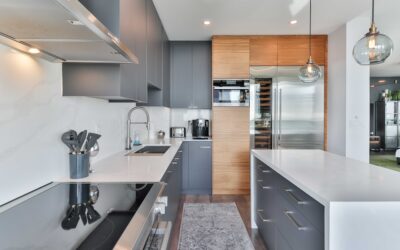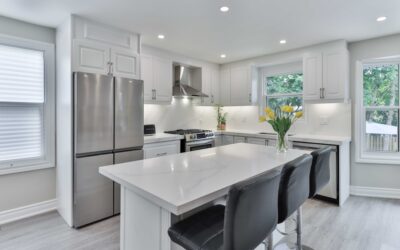
Japandi has become one of the most enduring kitchen styles because it solves a real tension — it is minimal without feeling cold, and warm without feeling cluttered. A modern Japandi kitchen blends Japanese wabi-sabi (beauty in simplicity and natural imperfection) with Scandinavian hygge and functionality. The result is a calm, uncluttered space built around natural materials, neutral tones, clean lines, and quiet craftsmanship. Here is how the style works and how to bring it into your own kitchen.
- The Two Traditions Behind the Look
- A Warm, Neutral Color Palette
- Natural Materials Are Everything
- Clean Lines and Handleless Cabinetry
- Function and Smart Storage
- Light, Space, and Negative Space
- Decor and Finishing Touches
- Making It Your Own
- Flooring and Backsplash Choices
- Common Japandi Mistakes to Avoid
- Budget-Friendly Ways to Get the Look
- The Essence of the Style
The Two Traditions Behind the Look
Understanding Japandi starts with its roots. Japanese design values minimalism, natural materials, and an appreciation for imperfection and handcraft. Scandinavian design prizes functionality, light, comfort, and clean, practical forms. They overlap remarkably well — both favor simplicity, natural wood, neutral palettes, and a clutter-free environment. Japandi takes the warmth and coziness of Scandi style and grounds it with the restraint and quiet elegance of Japanese design.
A Warm, Neutral Color Palette
Color in a Japandi kitchen stays muted and earthy, creating a serene backdrop. Think:
- Warm whites, oatmeal, and soft beige as the base.
- Natural wood tones — light oak and ash, or deeper walnut for contrast.
- Muted, grounded accents: charcoal, black, sage green, clay, and soft taupe.
The Scandinavian side brings the lighter neutrals and brightness; the Japanese side contributes deeper, grounding tones and the occasional matte black. Keep contrast gentle and cohesive rather than stark.
Natural Materials Are Everything
Japandi lives and dies by authentic, tactile materials. Synthetic, glossy finishes break the spell. Lean into:
- Wood: Cabinetry, open shelving, butcher-block or wood-toned counters, and wood flooring carry the style.
- Stone: Honed or matte natural stone and quartz countertops in soft, neutral patterns.
- Ceramic and clay: Handmade pottery, stoneware, and tile add the wabi-sabi touch.
- Natural fibers: Linen, rattan, and woven textures in seating and accessories.
Matte and natural finishes are preferred over high gloss, reinforcing the understated, handcrafted feel.
Clean Lines and Handleless Cabinetry
Form follows function in Japandi, and the cabinetry shows it. Flat-front, slab-style doors with simple profiles dominate, often handleless with push-to-open mechanisms or subtle integrated grooves for a seamless look. Where hardware appears, it is minimal and understated — slim bars, small knobs, or finishes in black or natural metal. The overall effect is uninterrupted, calm surfaces with nothing extra.
Function and Smart Storage
This is the Scandinavian heart of the style: a Japandi kitchen must work beautifully, not just look beautiful. Clutter is the enemy of the whole aesthetic, so storage is generous and largely concealed.
- Maximize closed cabinetry and pantry storage to keep countertops clear.
- Use a few well-styled open shelves for curated, everyday-beautiful items — not for hiding clutter.
- Organize drawers and cabinets so everything has a place.
- Keep small appliances tucked away in an appliance garage or pantry.
The clear, uncluttered countertop is non-negotiable. It is what lets the natural materials and clean lines speak.
Light, Space, and Negative Space
Japandi celebrates empty space as much as the objects in it. Let in natural light, keep window treatments simple (linen shades or bare windows), and resist over-decorating. Lighting fixtures should be sculptural but understated — think simple pendants in paper, wood, ceramic, or matte metal. Warm, soft lighting reinforces the calm, cozy atmosphere rather than a clinical brightness.
Decor and Finishing Touches
Accessorize sparingly and intentionally. A few well-chosen pieces carry the wabi-sabi spirit:
- Handmade ceramic bowls and stoneware on display.
- A single plant or a simple branch in a clay vase.
- Natural-fiber textiles — a linen runner, woven seat cushions.
- A wooden cutting board or two left out as both tool and decor.
Quality over quantity is the rule. Each item should feel deliberate and tactile, and imperfect, handcrafted pieces are not just allowed but celebrated.
Making It Your Own
You do not need a full renovation to move toward Japandi. Even a few changes shift the feel: swap busy decor for a clear counter, add wood and ceramic accents, repaint walls in a warm neutral, replace ornate hardware with simple pulls, and edit out clutter. Each step nudges the kitchen toward that calm, balanced look.
Flooring and Backsplash Choices
The surfaces underfoot and behind the counter reinforce the Japandi feel. For flooring, natural or natural-look wood in a light-to-medium tone is the classic choice — wide-plank engineered wood, or a warm wood-look luxury vinyl or tile for durability in a busy kitchen. Avoid high-gloss, busy, or cool-gray floors that fight the warm, organic palette.
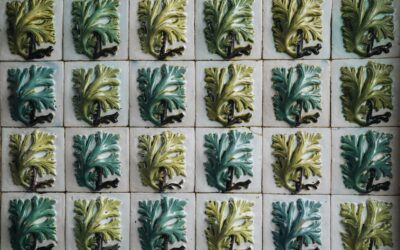
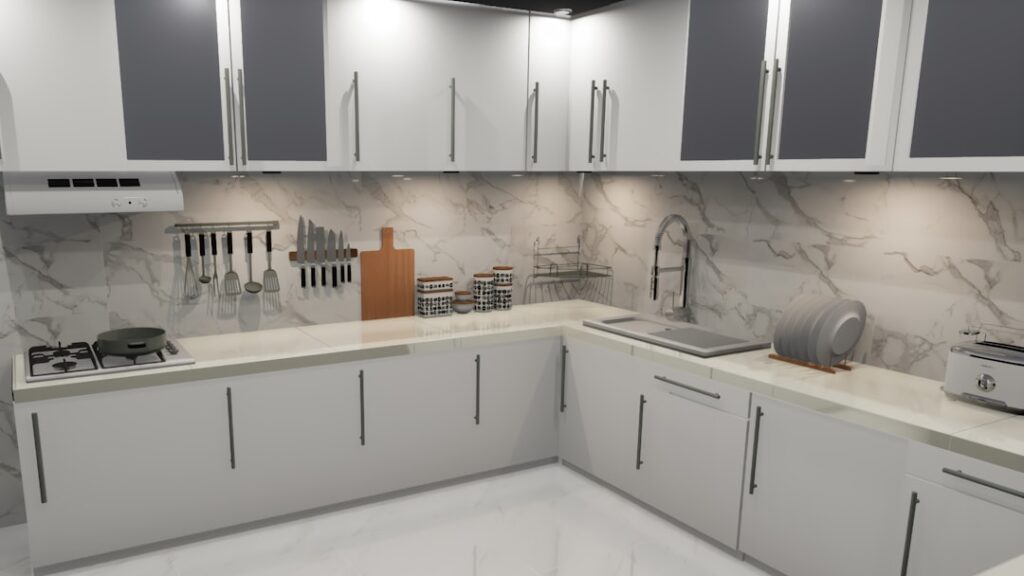
For the backsplash, keep it understated and tactile. Handmade-look zellige tile, simple matte subway tile, or a continuous slab in a soft neutral all suit the style. Steer away from glossy, high-contrast, or heavily patterned backsplashes. The goal is a quiet, cohesive backdrop that lets the wood, stone, and craftsmanship stand out.
Common Japandi Mistakes to Avoid
A few missteps pull a kitchen out of true Japandi territory:
- Going too cold: All white and gray with no warm wood reads as stark Scandinavian, not balanced Japandi.
- Too much clutter: Open shelves crammed full break the calm; curate ruthlessly.
- Glossy, synthetic finishes: High-shine surfaces undercut the natural, matte aesthetic.
- Over-decorating: Too many accessories crowd out the negative space the style depends on.
Keep checking the work against the core principles — natural materials, muted tones, clean lines, function, and breathing room — and the kitchen stays true to the style.
Budget-Friendly Ways to Get the Look
A full Japandi renovation is one path, but the style is achievable in stages without gutting the kitchen. Start with the cheapest, highest-impact moves: clear and declutter the counters, swap ornate cabinet hardware for simple slim pulls or knobs in black or natural metal, and repaint cabinets or walls in a warm neutral. Add a few authentic natural touches — a wood cutting board left out, handmade ceramic bowls on an open shelf, a linen runner, and one plant or branch in a clay vessel. Replace a builder-grade light fixture with a simple wood, paper, or matte-metal pendant. Each of these is modest on its own, but together they shift a generic kitchen convincingly toward the calm, balanced Japandi feel for a fraction of a remodel’s cost.
The Essence of the Style
A modern Japandi kitchen is the meeting point of Japanese restraint and Scandinavian warmth — natural wood and stone, a muted neutral palette, clean handleless lines, abundant concealed storage, and breathing room around everything. Keep it minimal but warm, functional but beautiful, and let authentic materials and empty space do the talking. That balance is what gives Japandi its quiet, timeless appeal.