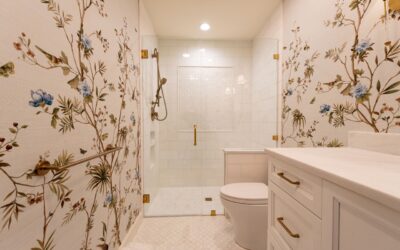
Wayfair has quietly become one of the largest sellers of removable wallpaper in the US, with thousands of patterns available under house brands and licensed designers. The catch is quality varies wildly between options. Some wayfair peel and stick wallpaper rolls are gorgeous and forgiving; others peel from corners within weeks. Here is how to pick the good ones and install them so they actually stay up.
Part of our Paint & Walls guide — explore the full guide →
Why Peel and Stick Has Taken Off
Traditional pasted wallpaper is intimidating. It requires booking time, careful pattern matching, and a willingness to live with a permanent commitment. Peel and stick removes most of that risk. You can apply it without water, paste, or special tools; reposition during installation; and remove it cleanly within 5-10 years without damaging walls.
For renters, this is the single most impactful design upgrade short of painting. For homeowners, it lets you experiment with bold patterns in powder rooms or accent walls without lifetime commitment.
Wayfair’s Top Peel and Stick Brands
Not all rolls are equal. These brands consistently get the best reviews on Wayfair:
- RoomMates: the original peel-and-stick brand, $30-60 per roll, easy to apply
- Tempaper: premium quality, $80-200 per roll, designer collaborations
- NuWallpaper: mid-range, $40-80, broad pattern selection
- York Wallcoverings: traditional patterns adapted for peel and stick, $50-100
- Etta Avenue and Mercer41: Wayfair house brands, $25-50, hit or miss quality
Read recent reviews carefully; the same pattern from different print runs sometimes has different adhesive quality. Anything below 4.0 stars is a gamble.
Measuring Correctly Before Buying
The most common error is buying too few rolls. Each Wayfair roll covers about 28-30 square feet, but pattern repeats can waste 10-25% per roll depending on design.
To estimate, multiply wall width by height in feet, then add 15% for waste on small patterns or 25% for large repeats. A 10×8 foot wall (80 square feet) needs three rolls of small-pattern paper or four rolls of bold large-repeat designs. Buy from the same lot number when possible to avoid color variation.
Wall Prep Makes or Breaks the Job
Peel and stick adhesive needs a smooth, clean, semi-glossy surface. Skip prep and the paper will lift within weeks. Take 30 minutes to do this right:
- Remove outlet and switch covers
- Patch any holes or dings with spackle, then sand smooth
- Wipe walls with a damp microfiber cloth and mild soap
- Let dry for 24 hours after cleaning
- If walls are very textured or freshly painted with flat paint, prime with a product like XIM UMA or skim-coat with joint compound first
Flat paint is the biggest enemy. Adhesive bonds poorly to flat finishes. If your walls are flat, plan to repaint with eggshell or satin first or expect adhesion issues.
Installation Step by Step
You need: a level, sharp utility knife with extra blades, a smoothing tool (plastic credit card works), a step ladder, painter’s tape, and pencil. For most rooms, plan 2-4 hours.
- Use a level to draw a vertical pencil line where the first strip goes
- Peel back the top 12 inches of backing and align with the line
- Smooth from center outward to remove air bubbles
- Continue peeling backing as you go down the wall
- Trim excess at top, bottom, and around outlets with the utility knife
- Match the next strip’s pattern carefully and butt seams without overlap
- Repeat across the wall, checking plumb every 2-3 strips
Do not stretch the paper. Tension causes seams to pull apart days later as the adhesive settles.
Working Around Outlets and Corners
Outlets are easier than they look. Apply the paper over the outlet, then cut an X over the box and trim flush with the opening. Reinstall the cover plate and the paper edge stays hidden.
For corners, never try to fold a single strip around an inside corner. Cut at the corner, leaving 1/8-inch wrap, then start the next strip on the new wall, overlapping that 1/8-inch flap. Outside corners can be wrapped with a single strip if you smooth carefully.
Removal When You Are Done
Quality peel and stick removes cleanly if it has been on the wall less than 5 years. Lift a corner with a fingernail and pull slowly at a 30-45 degree angle. Faster pulling tears the paper and may take paint with it.
Older installations or cheap brands may leave adhesive residue. A warm soapy water rinse usually removes it; for stubborn spots, use Goo Gone or rubbing alcohol on a microfiber cloth.
Honest Pros and Cons
Pros: affordable design impact, renter-friendly, easy to swap when tastes change, no professional installation required. Cons: inconsistent quality across brands, limited durability in humid bathrooms, requires textured walls to be skimmed first, and large patterns waste material.
For powder rooms, accent walls, and rental updates, wayfair peel and stick wallpaper is hard to beat. For high-traffic kitchens or steamy primary bathrooms, traditional pasted wallpaper or tile remain better long-term choices.