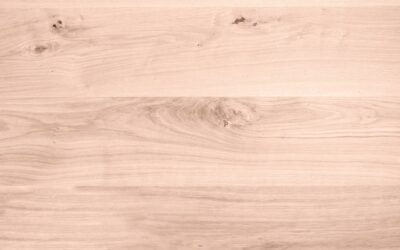
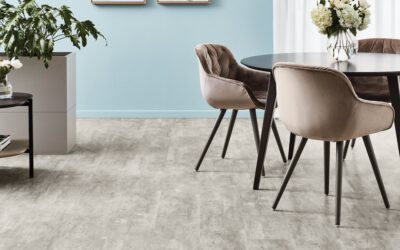
Walk into almost any flooring showroom and you will find a wall of samples from one of the largest flooring makers in the country. Mohawk engineered hardwood sits in the middle of the market for a reason: it offers real wood veneers over a stable plywood or HDF core at prices that undercut solid hardwood, with finishes that hold up to dogs, kids, and the occasional dropped pan. But “engineered hardwood” is a broad label, and Mohawk’s lineup spans budget collections to wide-plank, wire-brushed planks that rival custom flooring. Knowing how the lines differ keeps you from overpaying or, worse, buying a thin wear layer that cannot be refinished.
What Engineered Hardwood Is
Engineered hardwood is a sandwich. The top is a slice of genuine hardwood, called the wear layer or veneer, usually between 0.6 mm and 4 mm thick. Beneath it sits a core of cross-layered plywood or high-density fiberboard that resists the seasonal swelling and shrinking that plagues solid wood. That stability is the whole point: engineered planks can go over concrete slabs, in basements, and over radiant heat where solid oak would cup and gap.
Because the surface is real wood, an engineered floor looks identical to solid hardwood underfoot. The difference is what you cannot see, and how many times you can sand it down before you hit the core.
Mohawk’s Engineered Collections
Mohawk organizes its engineered wood under several brand families, and the names shift year to year, but the tiers stay consistent:
- Entry collections: Thinner veneers around 0.6 mm to 1 mm, often in oak and hickory, sold as click-lock floating floors. Best for bedrooms and light-traffic rooms.
- Mid-tier collections: Wider planks, longer boards, and 2 mm to 3 mm wear layers with wire-brushed and hand-scraped textures. These can usually take one light sanding.
- Premium and TecWood lines: Thicker veneers, sawn or sliced cuts that show richer grain, and more sophisticated stains. Some carry enhanced surface treatments for scratch and dent resistance.
When you shop, ignore the marketing name on the box and read the spec sheet for two numbers: wear-layer thickness and total plank thickness. Those two figures tell you how the floor will install and how long it will last.
Wear Layers and Refinishing
The single most important spec is the wear layer. A 0.6 mm veneer is essentially a finish-for-life floor; you cannot sand it without cutting through to the core, so when it wears out, you replace it. A 2 mm to 3 mm wear layer can take one, sometimes two, light professional sandings over its life, which can stretch a floor to 20 or 30 years.
If refinishing matters to you, spend up for the thicker veneer. If you would rather replace the floor in a decade to update the style anyway, a thinner wear layer saves money up front without much downside.
Finishes and Surface Texture
Mohawk uses factory-applied finishes, typically aluminum-oxide or UV-cured urethane systems, that are harder than anything you can apply on site. These resist scratching and never need the disruptive on-site staining and sealing that solid wood demands.
Texture is where the look lives:
- Smooth: Clean and contemporary, but shows scratches more readily.
- Wire-brushed: The most popular today. Mechanical brushing pulls out the soft grain, creating a textured surface that hides scuffs and pet scratches.
- Hand-scraped: A rustic, undulating surface that reads as reclaimed or character-grade wood.
For households with dogs or heavy traffic, wire-brushed oak or hickory is the practical choice because the texture and grain camouflage daily wear.
Installation Methods
One advantage of engineered hardwood is flexibility in how it goes down. Mohawk planks support several methods depending on the product:
- Floating (click-lock): Planks snap together and rest on an underlayment without fasteners. Fastest install, works over concrete and existing floors, and the most DIY-friendly.
- Glue-down: Adhesive bonds planks to a concrete slab. Solid underfoot and ideal over radiant heat, but messier and slower.
- Staple or nail-down: Used over plywood subfloors with thicker planks. Best left to a pro with a flooring nailer.
Let the boxes acclimate in the room for at least 48 to 72 hours before installing, and always leave a 1/4 to 3/8 inch expansion gap around the perimeter, hidden by baseboard or quarter round. Engineered wood moves less than solid, but it still moves.
Cost Expectations
Mohawk engineered hardwood generally runs about $3 to $9 per square foot for materials, with premium wide-plank lines reaching higher. Professional installation typically adds $2 to $5 per square foot depending on method and subfloor prep. A floating click floor installs cheaper than a glue-down over concrete because of the labor and adhesive involved.
Budget for transitions, underlayment, and trim. Order 7 to 10 percent extra to cover cuts and to keep spare boards from the same batch on hand for future repairs.
Warranty and What It Covers
Engineered hardwood from a major manufacturer usually carries two separate warranties worth reading. A finish warranty covers wear-through and fade of the surface coating, while a structural warranty covers the integrity of the plank itself, things like delamination or manufacturing defects. The length and terms vary by collection, with premium lines generally backed longer than entry products.
The fine print matters more than the headline number. Most warranties apply only to residential interior use, require the floor to be installed over an approved subfloor with proper acclimation, and exclude damage from water, improper cleaning, or pet accidents left to sit. Keep your purchase receipt and a record of the collection name and lot number, since a warranty claim will ask for them. Following the manufacturer’s installation and care instructions to the letter is what keeps the coverage valid.
Is It the Right Floor for You
Engineered hardwood from a major manufacturer hits a sweet spot for most homes: real wood looks, slab-friendly stability, and a warranty backed by a large company. If you want a floor you can refinish multiple times over decades, solid hardwood or a thick-veneer premium line makes more sense. If you want genuine wood that installs over concrete, stands up to a busy household, and costs less than solid oak, a mid-tier engineered collection is hard to beat. Match the wear layer to how long you plan to keep the floor, pick a wire-brushed texture if pets and traffic are in the picture, and the rest comes down to choosing a stain you will still love in ten years.
Prefer to explore on your own?
See how new flooring looks in your actual room in seconds — free, no signup.
Try the free Floor Studio →