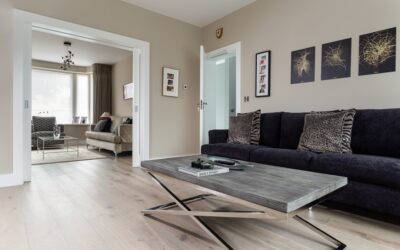
Marketed as wood without compromise, mohawk revwood laminate flooring blurs the line between traditional laminate and engineered hardwood, offering realistic wood looks with a wear layer rated to withstand years of foot traffic. For homeowners weighing durability, water resistance, and budget, RevWood deserves a careful look. This guide breaks down what the product actually is, where it shines, where it falls short, and how to decide whether it fits your home.
What Is RevWood
RevWood is Mohawk’s branded line of laminate flooring built on a high-density fiberboard (HDF) core topped with a high-resolution printed image layer and a tough, scratch-resistant wear layer. Mohawk positions it as a wood-equivalent product, and it comes in several tiers. The standard RevWood line offers everyday durability, RevWood Plus adds enhanced moisture protection, and RevWood Select sits at the premium end with longer, wider planks and more authentic visuals. All tiers click together as a floating floor without glue or nails.
The Pros of RevWood
RevWood earns its popularity for several concrete reasons that matter in daily life.
- Realistic appearance: High-definition printing and embossed, textured surfaces mimic the grain and feel of real hardwood convincingly, even up close.
- Scratch and dent resistance: The aluminum-oxide wear layer resists scratches from pets, furniture, and traffic better than most solid hardwood finishes.
- Moisture protection on select tiers: RevWood Plus and Select use a proprietary coating and tight joints that resist surface spills and topical moisture far better than older laminates.
- Easy floating installation: The click-lock system makes it a viable do-it-yourself project, and the floor can go over many existing subfloors.
- Strong value: You get a hardwood look at a fraction of the cost of genuine wood.
- Solid warranties: Mohawk backs the higher tiers with extended residential warranties, including water-related coverage on the Plus and Select lines.
The Cons to Consider
No flooring is perfect, and RevWood has trade-offs you should weigh honestly.
- HDF core vulnerability: Standard RevWood without the enhanced moisture tier can swell if water penetrates the seams and sits, which makes it less forgiving than a fully waterproof vinyl product.
- Not refinishable: Like all laminate, RevWood cannot be sanded and refinished. When the wear layer is damaged, planks must be replaced.
- Sound and feel: Without a quality underlayment, laminate can sound hollow or hard underfoot compared to engineered wood.
- Resale perception: Some buyers still value genuine hardwood over even premium laminate, which can matter at sale time.
- Tier confusion: The performance gap between standard RevWood and RevWood Plus is significant, so buying the wrong tier for a wet area leads to disappointment.
How Water Resistant Is It Really
This is the question that trips up the most shoppers. Water resistance varies meaningfully across the line. Standard RevWood resists everyday spills if you wipe them promptly, but it is not designed for standing water. RevWood Plus and RevWood Select carry stronger moisture protection and water-related warranties, making them suitable for kitchens, entryways, and other splash-prone areas. None of the line should be treated as fully waterproof in the way that some rigid-core luxury vinyl is. For bathrooms with frequent standing water, vinyl is often the safer pick.
Durability and Daily Living
RevWood performs well in busy households. The aluminum-oxide wear layer shrugs off the scuffs and scratches that dull real wood, and it resists fading from sunlight better than many natural finishes. Pet claws, dropped toys, and dragged chairs are far less likely to leave permanent marks. For families with kids and animals, this resilience is a major draw and often the deciding factor over softer hardwood.
Installation Overview
RevWood installs as a floating floor using a tongue-and-groove click system. The planks lock to each other rather than fastening to the subfloor, which allows the floor to expand and contract with humidity.
- Acclimate the planks in the room for the manufacturer’s recommended period, typically a couple of days.
- Ensure the subfloor is clean, flat, and dry, addressing any high spots or dips.
- Install the recommended underlayment, or use planks with attached padding where available.
- Leave an expansion gap around the perimeter, usually around a quarter to a half inch, hidden later by baseboards or quarter round.
- Click planks together row by row, staggering the end joints for strength and a natural look.
A capable do-it-yourselfer can install RevWood over a weekend, though professional installation ensures the expansion gaps and moisture barriers are handled correctly.
Maintenance Made Simple
Caring for RevWood is easy. Sweep or vacuum regularly to remove grit that could dull the surface over time. Clean with a damp, not wet, mop and a laminate-safe cleaner, avoiding excessive water and harsh abrasives. Wipe spills promptly, especially on standard tiers. Felt pads under furniture legs and entry mats at doorways dramatically reduce wear. With minimal effort, the floor keeps its fresh appearance for many years.
What It Costs
RevWood is competitively priced for the look it delivers. Material costs generally fall in the range of $2 to $5 per square foot depending on the tier, with the Select line at the upper end. Professional installation typically adds in the range of $2 to $4 per square foot. For a 200-square-foot room, a homeowner might budget in the range of $800 to $1,800 installed, varying with tier and regional labor rates. Doing the installation yourself can cut that figure substantially.
Who Should Choose RevWood
RevWood suits homeowners who want the warmth and look of hardwood with better scratch resistance and a friendlier price. It is an excellent fit for living rooms, bedrooms, hallways, and, in the Plus or Select tiers, kitchens and entryways. Shoppers who need a fully waterproof floor for bathrooms or basements with moisture concerns may be better served by rigid-core vinyl, while those committed to refinishable natural wood will prefer engineered hardwood.
Final Thoughts
RevWood is a strong choice when you match the right tier to the right room. Its realistic looks, impressive scratch resistance, and approachable cost make it one of the more compelling laminate options on the market, provided you respect its moisture limits and buy the moisture-protected tiers for damp areas. At D and G Flooring, we guide homeowners toward the flooring that fits how they actually live, and RevWood earns a place on that list for many busy, style-conscious households.
Prefer to explore on your own?
See how new flooring looks in your actual room in seconds — free, no signup.
Try the free Floor Studio →