
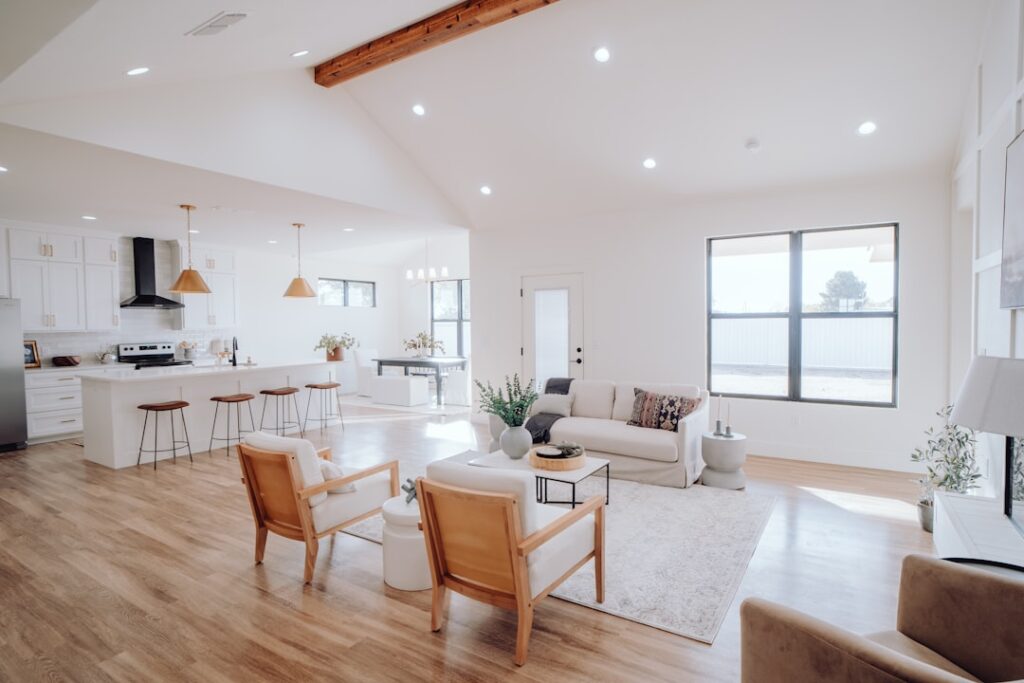
Walk into a flooring showroom and you’ll find a product that looks like hardwood, claims to shrug off spills, and costs a fraction of the real thing. That product is often Rev Wood floors, Mohawk’s line of waterproof, wood-look laminate flooring. Despite the name, RevWood is not solid or engineered hardwood; it’s an advanced laminate engineered to mimic wood while solving laminate’s traditional weakness, water. Understanding what it actually is, and isn’t, will help you decide whether it belongs in your home.
What RevWood Actually Is
RevWood is Mohawk’s brand name for its premium laminate flooring. Laminate is built from a high-density fiberboard (HDF) core topped with a photographic image layer of wood grain and protected by a clear, tough wear layer. Because it uses a printed image rather than real wood veneer, it isn’t hardwood, but modern printing and embossing make the planks remarkably convincing, with realistic grain texture and beveled edges. Always confirm current specifications and warranty terms with an authorized Mohawk dealer, since product lines and features change over time.
The RevWood Collections
Mohawk has marketed RevWood in tiers, generally including a standard RevWood line and more water-resistant tiers branded around enhanced moisture protection. Higher tiers add features like coated edges and tighter joints designed to keep water from reaching the HDF core. Because exact collection names, performance ratings, and warranties vary by region and change over time, verify which specific product and water-resistance rating you’re buying directly with the retailer rather than relying on the general brand name alone.
Why Waterproofing Matters for Laminate
Traditional laminate’s Achilles’ heel is its fiberboard core. When water seeps into seams, the HDF swells, the edges peel, and the planks are ruined. Mohawk addresses this with tighter locking joints and protective edge coatings designed to keep moisture out of the seams. This is what allows the brand to market certain RevWood products for kitchens, bathrooms, and other spill-prone areas where older laminate would have failed. Even so, read the warranty carefully, since water-resistance claims often come with conditions about standing water and prompt cleanup.
Key Features Homeowners Notice
RevWood’s appeal comes down to a handful of practical strengths:
- Scratch and dent resistance: The hard wear layer stands up to pets, kids, and furniture far better than real wood, which makes it popular in busy households.
- Realistic looks: Embossed textures and varied plank visuals closely imitate species like oak and hickory.
- Floating installation: The planks click together and float over the subfloor without glue or nails, which makes DIY installation feasible.
- Lower cost than hardwood: You get a wood look without the price of solid or engineered hardwood.
Honest Pros and Cons
No floor is perfect, and being clear-eyed prevents disappointment. On the plus side, RevWood is durable, affordable, easier to install than hardwood, and the water resistance is a genuine improvement over old laminate. On the downside, it cannot be sanded and refinished the way real wood can; once the wear layer is damaged, you replace planks rather than restore them. It can also feel and sound harder underfoot than wood, and the resale appeal is generally lower than genuine hardwood. Cheaper laminate underfoot can sound hollow, though a quality underlayment helps.
Where RevWood Works Best
RevWood shines in active living areas, hallways, kitchens, and family rooms where scratch resistance and easy cleanup matter most. The water-resistant tiers expand the options into spaces that traditionally ruled out laminate. For full bathrooms, mudrooms, or anywhere standing water is likely, confirm the specific product’s rating and follow the manufacturer’s guidance on sealing perimeter gaps and wet-area transitions. Below-grade basements can work with proper moisture testing and the right underlayment.
Installation and Care Basics
RevWood installs as a floating floor over a clean, flat, dry subfloor, usually with an underlayment for cushioning and sound. Leave the recommended expansion gap around the room’s perimeter so the floor can move with temperature and humidity. For cleaning, sweep or dust-mop regularly and damp-mop with a laminate-safe cleaner. Avoid soaking the floor, steam mops, and harsh abrasives, all of which can compromise the wear layer or force moisture into the seams. Wipe spills promptly even on water-resistant tiers.
RevWood vs. Other Wood-Look Floors
It helps to see where RevWood sits among the alternatives. Compared to luxury vinyl plank (LVP), RevWood typically feels and sounds more like a hard floor and offers strong scratch resistance, while LVP often wins on full waterproofing and flexibility in very wet areas. Compared to engineered hardwood, RevWood costs less and resists dents and scratches better, but engineered wood uses a real wood veneer that can sometimes be lightly refinished and generally carries more resale appeal. Against solid hardwood, RevWood trades refinishability and long-term value for a lower price and tougher day-to-day durability.
None of these is universally best. The right pick depends on your rooms, your budget, and whether scratch resistance or refinishability matters more to you. RevWood occupies a practical middle ground: more durable and affordable than wood, with a more authentic hard-floor feel than many vinyls.
What to Ask Your Dealer
Because brand collections and specifications change over time, a short list of questions protects you at the showroom. Confirm the exact product name and its specific water-resistance rating, not just the RevWood label. Ask what the warranty covers, what conditions void it (standing water, steam mops, wet installations), and how long it runs. Check the recommended underlayment and whether one is built in. Verify the locking system and the required expansion gap, and ask about the manufacturer’s approved cleaning products. Finally, request a sample plank so you can judge the texture, color, and underfoot feel in your own home before ordering enough for the whole room.
Is RevWood Right for You?
If you want the warmth of a wood look with strong durability and a friendlier price than hardwood, and you’re comfortable with a floor that can’t be refinished, RevWood is a sensible choice, especially in homes with pets and heavy traffic. If you’re set on real wood you can sand and recoat for decades, or you need a fully submersible material for a wet area, look at engineered hardwood or luxury vinyl instead. Before committing, get current specs, the exact water-resistance rating, and warranty details for the specific Rev Wood floors product from an authorized dealer, and request a sample to see the texture and color in your own light.
Prefer to explore on your own?
See how new flooring looks in your actual room in seconds — free, no signup.
Try the free Floor Studio →

