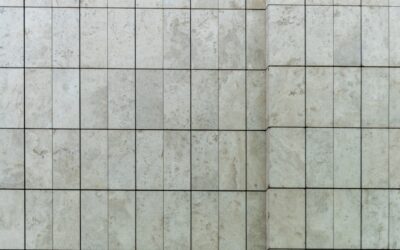
When you walk into a flooring showroom in the United States, odds are good that at least one wall of tile carries a Mohawk label. Mohawk tile flooring comes from one of the largest flooring manufacturers in the world, a company that produces ceramic, porcelain, and a broad range of other floor coverings under several brand names. That scale means wide availability and consistent quality, but it also means a lot of product lines to sort through. This guide explains what Mohawk offers in tile, how it performs, and what you can expect to pay.
Part of our Tile & Grout guide — explore the full guide →
Who Mohawk Is in the Flooring World
Mohawk Industries is a major American flooring producer headquartered in Georgia, with a portfolio spanning carpet, hardwood, laminate, vinyl, and tile. The company owns and distributes products under several names, including its Daltile and American Olean ceramic brands, which are widely recognized in the tile category.
For shoppers, the practical upshot is broad distribution and dependable manufacturing standards. You can find Mohawk and its associated tile lines through home centers, independent flooring dealers, and specialty tile showrooms across the country.
Ceramic and Porcelain Tile Options
Mohawk’s tile offerings center on ceramic and porcelain, the two workhorses of hard-surface flooring. Both are fired clay products, but porcelain is denser and absorbs less water, which makes it the tougher choice for high-traffic and wet areas.
- Glazed ceramic: Affordable, available in many colors and patterns, well suited to walls and lower-traffic floors.
- Porcelain tile: Denser and more durable, rated for heavy foot traffic, bathrooms, and entryways.
- Wood-look porcelain planks: Mimic hardwood with full water resistance, popular for kitchens and basements.
- Stone-look and concrete-look tile: Deliver natural appearances without the maintenance of real stone.
How to Read Durability Ratings
Tile durability is not guesswork; it is measured. The PEI rating scale from 1 to 5 indicates how much abrasion a tile can withstand. For floors, you generally want PEI 3 or higher, while busy entryways and commercial spaces call for PEI 4 or 5.
Water absorption matters too. Porcelain typically absorbs less than 0.5 percent water, earning it the technical “porcelain” designation and making it appropriate for wet rooms. Always check the spec sheet for the specific tile rather than assuming all tiles in a line perform identically.
Typical Costs for Mohawk Tile
Tile pricing depends on the line, size, and finish, but Mohawk and its associated brands span budget to premium tiers. Material costs commonly fall in these ranges.
- Basic glazed ceramic: roughly $1.50 to $4 per sq ft for materials.
- Standard porcelain: roughly $3 to $7 per sq ft.
- Wood-look and large-format porcelain: roughly $4 to $9 per sq ft.
- Installation labor: typically $5 to $12 per sq ft depending on layout complexity.
Intricate patterns, large-format tiles, and uneven subfloors all push labor costs toward the higher end, so factor installation into your budget from the start.
Where Mohawk Tile Works Best
Porcelain and ceramic shine in spaces that punish softer flooring. Kitchens, bathrooms, laundry rooms, mudrooms, and entryways all benefit from tile’s water resistance and scratch resistance. Wood-look porcelain in particular gives homeowners the warmth of wood in rooms where real hardwood would warp.
One consideration is comfort: tile is hard and cold underfoot. Pairing it with in-floor radiant heat or area rugs offsets that, especially in bedrooms or living spaces where you stand for long stretches.
Mohawk Tile Versus Other Brands
Mohawk competes with brands like Shaw, Florida Tile, and MSI, and at comparable price points the quality differences are often modest. What Mohawk offers is scale, consistent availability, and the backing of a large manufacturer with established warranties.
When comparing options, match the PEI rating, water absorption, and finish rather than the logo. A correctly chosen tile from any reputable maker will outlast most other flooring types, so focus on getting the right spec for your room.
Installation Considerations for Tile
Tile installation is more involved than click-together flooring, and the prep work largely determines the result. The subfloor must be flat, rigid, and properly prepared, often with a cement backer board or an uncoupling membrane that prevents cracks in the slab from telegraphing up into the tile.
Large-format and wood-look plank tiles are less forgiving of an uneven subfloor and require careful leveling to avoid lippage, where one tile edge sits higher than its neighbor. Grout choice matters too: a quality grout, properly sealed, keeps moisture out and is far easier to keep clean over the years.
Maintaining Ceramic and Porcelain Floors
One reason tile remains so popular is how little upkeep it demands. Routine care is as simple as sweeping or vacuuming to remove grit, then mopping with a pH-neutral cleaner. Porcelain in particular resists stains and shrugs off spills that would mark softer flooring.
Grout lines are the main maintenance point. Sealing the grout after installation, and resealing periodically, keeps them from absorbing dirt and moisture. With that small bit of attention, a well-installed Mohawk tile floor can look new for decades, easily outlasting most carpet, laminate, and vinyl options.
Making the Right Tile Choice
Mohawk tile flooring gives homeowners a reliable, widely available option across ceramic and porcelain lines, with styles ranging from classic stone looks to convincing wood-look planks. Choose porcelain for wet or high-traffic areas, confirm a PEI rating suited to the room, and budget realistically for professional installation. Get those fundamentals right and a tile floor becomes one of the longest-lasting surfaces in your home.
When you visit a showroom, bring a few practical details with you to make the selection easier. Note the square footage of the room, whether it sees heavy traffic or moisture, and what flooring is in the adjoining spaces so transitions look intentional. Ask the dealer for the PEI rating, the water absorption figure, and the tile’s slip-resistance rating if it is going somewhere that gets wet. Take samples home and view them under your own lighting, since showroom lights can shift how a color reads. A little homework at the showroom stage prevents the disappointment of a tile that looked perfect on display but feels wrong once it covers your floor.
Prefer to explore on your own?
See how new flooring looks in your actual room in seconds — free, no signup.
Try the free Floor Studio →