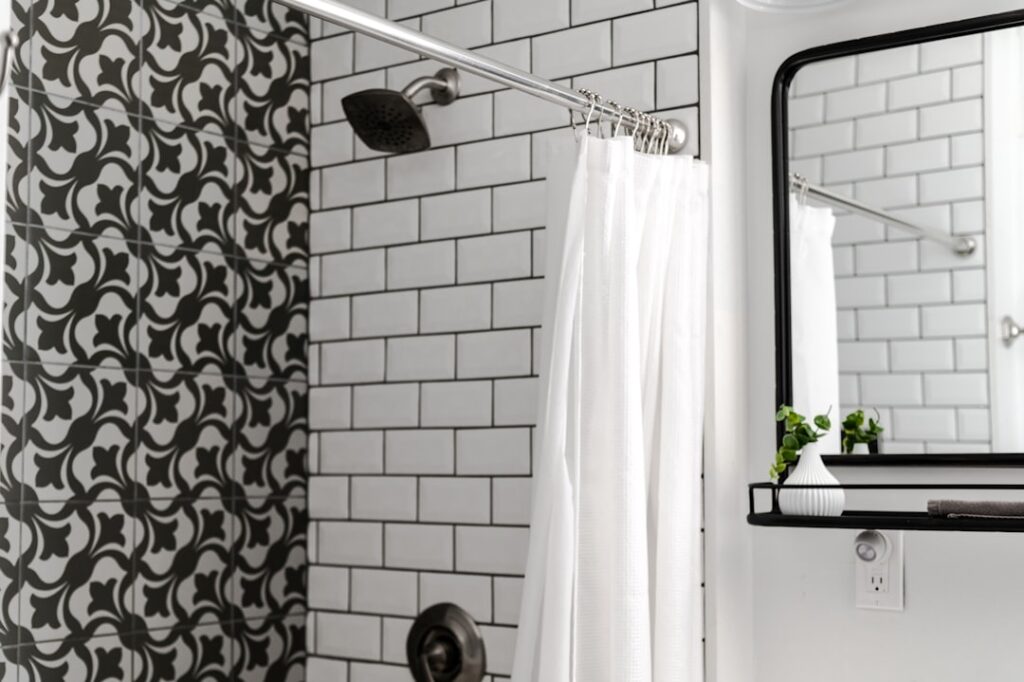
If you are tired of watching pink slime and black spots creep along the bottom hem, the fix usually is not more bleach. A mold resistant shower curtain is engineered from materials that mildew struggles to colonize, which means less scrubbing and a cleaner-looking bathroom with far less effort. The trick is knowing which materials actually resist mold and which just claim to. This guide breaks down the real options so you buy once and stop replacing curtains every few months.
Part of our Bathroom Remodeling & Flooring guide — explore the full guide →
Why Standard Curtains Grow Mold So Fast
Mold needs three things: moisture, warmth, and something organic to eat. Your shower supplies the first two on a daily basis. The third comes from soap scum, body oils, and, in some cheap curtains, the plastic softeners and cotton fibers themselves. A curtain that stays damp in a warm bathroom with poor ventilation is basically a greenhouse for mildew.
The best defense combines a non-porous material that dries quickly with a surface that gives spores nothing to feed on. That is what separates a genuinely mold resistant curtain from a bargain liner that looks fuzzy within weeks.
PEVA: The Plastic Upgrade
PEVA (polyethylene vinyl acetate) is a non-chlorinated plastic that has largely replaced PVC in quality liners. Its smooth, non-porous surface sheds water and gives mold very little grip. PEVA is also free of the chloride off-gassing that gives cheap vinyl its harsh chemical smell.
Expect to pay a few dollars more than for a basic PVC liner, but you get a curtain that wipes clean in seconds and resists the waterline mildew that plagues traditional plastic. EVA, a close cousin, offers the same benefits and is often marketed as a more eco-friendly, PVC-free choice.
Polyester and Treated Fabric
Fabric curtains feel more upscale and drape better, but not all fabrics resist mold equally. Polyester is the standout because it is synthetic and hydrophobic, meaning it does not absorb and hold water the way cotton does. A tightly woven polyester curtain dries quickly and can go straight into the washing machine when it needs a refresh.
- 100% polyester: Machine washable, quick drying, and naturally more mold resistant than cotton or linen.
- Nylon: Lightweight and water repellent, though less common in curtains than in liners.
- Treated fabric blends: Many performance curtains add a water-repellent or antimicrobial finish for extra protection.
Avoid pure cotton or hemp in a high-moisture bathroom unless you have excellent ventilation. Those natural fibers wick and store water, which is exactly what mold wants.
Antimicrobial Liners
An antimicrobial liner is the single most cost-effective upgrade you can make. These liners are treated with agents that inhibit the growth of mold, mildew, and odor-causing bacteria right on the surface of the material. Paired behind a decorative fabric curtain, an antimicrobial liner takes the brunt of the water so your nicer curtain stays dry and clean.
Look for liners specifically labeled antimicrobial or mildew resistant, often made from PEVA or treated polyester. They typically cost between $10 and $20 and pay for themselves by lasting far longer than an untreated liner. Replace or wash them on a regular schedule and the protective treatment keeps performing.
What to Look For When Buying
Marketing language gets loose in this category, so focus on the specifics that actually predict performance:
- Material first. PEVA, EVA, or 100% polyester beats PVC and natural fibers for mold resistance.
- Weighted or magnetic hem. A hem that clings to the tub reduces the wet folds and gaps where mildew starts.
- Machine washable. The ability to toss a curtain in the wash makes long-term maintenance realistic.
- Reinforced grommets. Rustproof metal or heat-sealed holes prevent tears that let water pool.
- Clear antimicrobial labeling. If it claims to be treated, the packaging should say so plainly.
Keeping It Mold Free
Even the best mold resistant shower curtain benefits from good habits. Spread the curtain fully closed after each shower so it dries evenly instead of bunching into damp folds. Run the exhaust fan for at least 15 minutes after bathing to pull humidity out of the room. Once a week, wipe the bottom hem where soap scum collects, since that residue is the food source mold relies on.
When a washable curtain does start to look dingy, launder it on a warm cycle with a cup of white vinegar to strip buildup and knock back any early mildew. This simple routine, combined with the right material, keeps your bathroom looking fresh year-round.
Fabric vs. Plastic: Which Should You Choose?
This is the decision most homeowners wrestle with, and the honest answer depends on your bathroom and your habits. Plastic liners in PEVA or EVA are the most affordable and the easiest to wipe clean, and they are genuinely non-porous, which is the single biggest advantage against mold. Their downside is that they look utilitarian and eventually need replacing rather than a deep cleaning.
Fabric curtains in polyester look far nicer, drape elegantly, and can be washed and reused for years, which makes them the better long-term value if you stay on top of laundering. The most reliable approach combines both: a decorative polyester curtain on the outside for looks, backed by an antimicrobial plastic or polyester liner on the inside that takes the direct water. That way the liner does the hard work while the curtain stays dry and attractive.
How Often to Replace or Wash
Even a mold-resistant product needs a maintenance rhythm. A washable polyester curtain or liner should go through the machine roughly once a month, or sooner if you see soap scum building along the bottom. A plastic PEVA liner that is not machine washable can be wiped down weekly and should be replaced when the antimicrobial performance fades and mildew starts to take hold, typically every several months to a year depending on your ventilation.
Ventilation is the hidden variable in all of this. A bathroom with a working exhaust fan and a window will keep any curtain cleaner far longer than a sealed, humid room. If mildew keeps returning despite a quality curtain, the real fix may be improving airflow rather than buying yet another liner.
The Bottom Line
The most reliable setup is a PEVA or antimicrobial liner behind a washable polyester curtain, hung with rustproof rings and dried fully after every use. Spend a little more up front on the right materials and you spend far less time scrubbing and replacing curtains over the following years. That combination attacks mold at every angle: it denies moisture, resists organic buildup, and lets you clean up in minutes. Choose your materials wisely and a mold resistant shower curtain will keep your bathroom cleaner while cutting your scrubbing time to almost nothing.