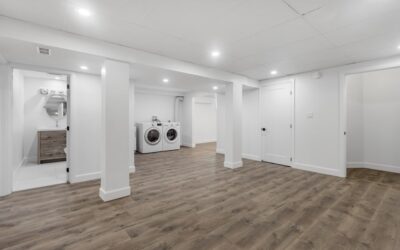
That earthy, damp basement odor that hits you the moment you walk through the door is the chemical signature of microbial volatile organic compounds, and it never appears without a moisture problem behind the drywall. A persistent moldy smell in house indicates active fungal growth somewhere, and air fresheners will only mask it for a few hours before it returns stronger. After fifteen years of remediation work in homes across humid climates, I can tell you the smell almost always traces back to one of five locations, and most homeowners look in the wrong places first.
What the Smell Actually Is
Mold colonies produce gases called MVOCs as they digest organic material like paper-faced drywall, framing lumber, and carpet backing. Geosmin and 1-octen-3-ol are the two compounds your nose detects most easily; they smell like wet socks, old books, or damp dirt. The EPA classifies indoor mold as a Group 2B environmental hazard, and the CDC links extended exposure to asthma flare-ups, sinus infections, and chronic fatigue.
If the odor lingers after you have vacuumed, opened windows, and run a dehumidifier for 48 hours, the source is structural, not surface. You need to find it.
The Five Places Mold Usually Hides
Start with the HVAC system. Pull the air handler cover and look at the evaporator coil; black streaks on the aluminum fins or in the condensate pan are textbook mold. A clogged condensate line costs $15 to flush with a wet-dry vac and bleach, while a coil cleaning runs $200 to $400 from an HVAC tech.
Next, the bathroom exhaust fans. A Broan or Panasonic fan rated below 80 CFM cannot clear a typical bathroom in three minutes, and the residual humidity condenses behind the wall above the shower. Pull off the grille and shine a flashlight up the duct; if you see black or green growth, the duct needs replacement.
Third, washing machine drains and the rubber gaskets on front-load washers. Whirlpool and LG models with door gaskets accumulate biofilm in the folds, which produces a sour mildew smell that travels through the whole laundry area. Wipe the gasket weekly with a 1:4 bleach and water solution.
Fourth, the crawl space. Pull back the vapor barrier and look for water staining on the joists. A poorly sealed crawl space contributes 40 percent of the air your upstairs HVAC pulls in.
Fifth, behind kitchen and bathroom cabinets where supply lines slowly weep. A dishwasher inlet drip of one tablespoon a day will saturate the subfloor in six months without any visible puddle.
Tools You Need to Track the Source
A moisture meter like the General Tools MMD4E at $30 gives you pin readings up to 99.9 percent moisture content in wood and drywall. Anything above 17 percent in framing lumber or 1 percent in drywall is wet enough to grow mold. Sweep the meter along baseboards, around windows, and under sinks systematically.
An infrared thermometer like the Etekcity Lasergrip 1080 at $20 reveals cold spots that indicate moisture or air leaks. Drywall that reads 5 to 10 degrees cooler than the surrounding wall is usually wet behind the paint.
For air quality verification, the EMSL Analytical home mold test kit at $40 sends samples to a certified lab and returns spore counts within five business days. Levels above 1,500 spores per cubic meter indicate active indoor growth.
Cleaning Surface Mold Safely
The EPA recommends mixing one cup of household bleach with one gallon of water for hard surfaces only. Wear an N95 respirator, nitrile gloves, and safety glasses. Spray, let dwell for 10 minutes, then wipe with a microfiber cloth. Concrobium Mold Control at $15 a quart kills spores without bleach fumes and is safer indoors.
For porous materials like drywall, ceiling tile, and carpet backing, cleaning alone never works. The EPA mandates removal of any porous material with mold coverage greater than 10 square feet. Cut out the contaminated drywall back to the nearest stud, double-bag it in 6-mil plastic, and dispose at the curb.
When to Hire a Remediator
Any visible mold patch larger than three feet by three feet should go to an IICRC-certified remediation contractor under the S520 standard. Expect to pay $1,500 to $9,000 depending on contamination class and square footage. Class 3 contamination, which involves extensive growth on ceilings or above ten square feet, runs $15 to $30 per square foot to remediate properly.
Get three written estimates and verify each contractor carries pollution liability insurance. Ask for the post-remediation verification report; without that document you cannot prove the work was completed if a future buyer’s inspector flags the area.
Stopping It from Coming Back
Mold needs three things: moisture, organic material, and temperatures between 41 and 100 degrees Fahrenheit. You can eliminate the first one. Run a dehumidifier sized for your square footage; a 50-pint Frigidaire FGAC5044W1 handles 1,200 square feet and costs $230. Hold indoor relative humidity below 50 percent year-round; below 40 percent in winter to prevent condensation on cold surfaces.
Repair exterior leaks within 48 hours. The 2018 International Residential Code section R703 requires water-resistive barriers behind exterior cladding for a reason. A failed Tyvek wrap or missing kick-out flashing dumps gallons into wall cavities every storm.
Replace bathroom fans below 90 CFM with Panasonic WhisperGreen units rated 110 CFM at 0.5 sones. Vent them through the roof or exterior wall, never into the attic; attic-dumped moisture causes the moldy smell in house that travels back down through ceiling fixtures.
Testing Air Quality After Remediation
Once visible mold is gone and moisture sources are repaired, retest the air after 30 days. Indoor spore counts should fall to or below outdoor levels measured the same day. If they remain elevated, you missed a source. Hidden mold inside wall cavities or ductwork is common, and a fiber-optic borescope at $80 lets you inspect inside walls through a quarter-inch hole.
The smell disappears within a week of removing the colony and drying the substrate. If it persists, you have not found the full source yet.