Dark spots on a floor joist or basement stud do not automatically mean a demolition project. About 80 percent of the time, moldy wood is a surface problem that cleans off with the right chemistry and some elbow grease. The other 20 percent is structural rot hiding behind a cosmetic stain, and that is where most homeowners get into trouble guessing.
Surface Mold vs Structural Rot
Surface mold feeds on dust, paper, or finish residue sitting on top of wood. Scrape a small test area with a screwdriver and the wood underneath should still feel solid. Rot, on the other hand, has actually digested the lignin in the wood fibers. When you probe rotted wood, the screwdriver sinks in like it was punched through cardboard and the fibers crumble when squeezed. Rotted framing has to come out regardless of how little mold is visible.
Color is a poor indicator. Black staining can be harmless mildew, harmful Stachybotrys, or iron tannate from water contact with nails. The probe test is more reliable than any color chart.
Gear Up Before You Touch It
Before cleaning any moldy surface, put on an N95 or P100 respirator, safety glasses, and nitrile gloves. Seal off the work area with plastic sheeting and tape if it is inside a finished space. Run a HEPA air scrubber if you own one or rent one for $45 a day. Mold spores become airborne fast once disturbed, and breathing them in can trigger asthma, sinus infections, or worse for sensitized people.
Do not use a standard shop vac. A HEPA-rated vacuum is the only one that actually captures spores instead of blowing them back into the room through the filter.
Hydrogen Peroxide Method
For surface mold on bare framing or subfloor, 3 percent hydrogen peroxide (the brown-bottle drugstore product) works as well as anything more expensive. Spray it generously on the affected wood, let it sit 10 minutes while the foaming action lifts the spores, then scrub with a stiff bristle brush. Wipe the surface with clean rags, spray again, and let it air dry.
Peroxide is safer than bleach for porous wood because it breaks down into water and oxygen rather than leaving a salty residue that feeds future growth. It also lightens the stain without damaging the wood fibers.
Borax Solution for Bigger Areas
For larger cleanups, mix 1 cup of 20 Mule Team Borax into a gallon of warm water. Borax is a natural fungicide, dissolves into a spray, and leaves a residual that discourages regrowth. Apply with a pump sprayer, scrub, and leave the solution on the wood (do not rinse). As the water evaporates, the borax crystallizes in the wood pores and keeps working for months.
Borax is non-toxic to humans and pets once dry, which is why many pros prefer it over harsher chemistries for attic and crawl space jobs where ventilation is limited.
Bleach Is Usually the Wrong Choice
Household bleach is often the first product homeowners reach for, but chlorine bleach was formulated for nonporous surfaces like tile and glass. On porous wood, the water carrier soaks in while the chlorine stays on the surface, evaporates, and actually feeds residual mold spores with extra moisture. EPA and OSHA guidance both move bleach down the list for wood mold remediation.
If you still want to use bleach, limit it to painted or sealed wood surfaces where the surface is effectively nonporous.
Encapsulation After Cleaning
Once the wood is cleaned, dry, and the moisture source is fixed, apply an encapsulant. Products like Fiberlock IAQ 6000 or Foster 40-80 are white or clear coatings that seal remaining spores and prevent regrowth. Two coats with a roller on accessible framing runs about $0.25 per square foot for materials.
Encapsulation also makes future inspections easier. A clean white coating on joists is immediately distinguishable from a fresh stain if a leak ever develops upstream.
When to Replace the Wood
Replacement is the right call when the wood is structurally compromised, when mold penetrates more than a quarter inch deep, or when the affected area covers a meaningful span of a load-bearing member. For a floor joist, any rot in the middle third is a replacement situation. For a stud in a non-load-bearing partition, sister a new stud next to the old one if the damage is localized.
Always pair replacement with a moisture fix. Cutting out a rotten sill plate and replacing it with fresh lumber is pointless if the foundation leak that caused the rot is still active.
Prevent Future Growth
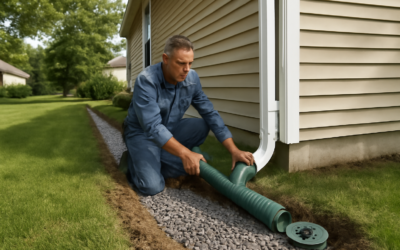
Mold needs four things: spores, food, oxygen, and water. You cannot eliminate the first three, but you can control water. Keep crawl spaces at less than 60 percent relative humidity with a dehumidifier. Vent bathroom fans to the exterior, not the attic. Slope the grade around the foundation to move water away. Keep gutters clean and extend downspouts at least 6 feet from the wall.
- Dehumidify basements and crawl spaces to 45-55% RH
- Fix plumbing leaks within 24-48 hours
- Insulate cold water pipes to stop condensation drips
- Install a vapor barrier on crawl space dirt floors
- Check for attic leaks after every major storm
When to Call a Pro
Call an IICRC-certified mold remediation contractor if the affected area exceeds 10 square feet, if anyone in the home has compromised immunity or severe asthma, if the mold is black and fuzzy (possibly Stachybotrys), or if the source of moisture is not obvious. Professional remediation costs $500 to $6,000 depending on scope, and most homeowner’s insurance covers it when the moisture source is sudden and accidental.
Caught early and cleaned properly, a moldy floor joist is a Saturday afternoon project. Ignored for years, it becomes a structural repair that costs thousands.