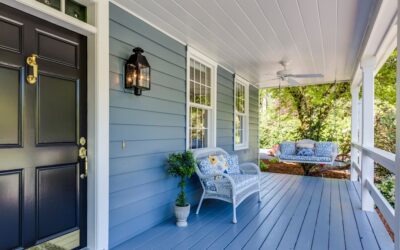
Repainting your home’s exterior is one of the highest-return projects you can take on, and the color you choose will greet you and every visitor for the next ten to fifteen years. That is why the most popular exterior paint colors tend to be timeless neutrals and confident, nature-based hues rather than trendy shades that date quickly. The winning colors share three traits: they flatter a range of architectural styles, they hold up against sun and weather, and they still look right to a future buyer. Below is a practical tour of the shades homeowners keep coming back to, and how to choose the one that fits your house.
Part of our Paint & Walls guide — explore the full guide →
- Why Neutrals Still Dominate
- The Most Popular Exterior Paint Colors Right Now
- Choosing the Right Undertone
- Getting Trim and Accent Colors Right
- How Light and Climate Affect Your Choice
- Matching Color to Architectural Style
- Sheen and Finish Choices
- Testing Before You Commit
- How Long Exterior Paint Lasts
- Final Thoughts
Why Neutrals Still Dominate
Year after year, whites, grays, greiges, and soft blacks lead the sales charts. The reason is simple: neutrals are safe, flexible, and universally appealing. A warm white farmhouse, a mid-gray craftsman, and a charcoal modern all read as intentional and current. Neutrals also let your landscaping, front door, and roof do the talking, and they rarely clash with brick, stone, or existing fixed materials.
Resale plays a role too. If you might sell within a decade, a broadly liked neutral protects your investment far better than a bold personal favorite that some buyers will want to repaint immediately.
The Most Popular Exterior Paint Colors Right Now
Warm and Creamy Whites
White remains the number-one exterior color, but the crisp, cool whites of a decade ago have given way to warmer, softer versions. These creamy whites feel inviting rather than clinical, hide dust better, and pair beautifully with black windows and natural wood accents. They suit farmhouses, cottages, and traditional colonials equally.
Greige and Warm Gray
Greige, the blend of gray and beige, is arguably the most versatile exterior color available. It shifts subtly with the light, works with both cool and warm fixed elements, and reads as sophisticated without being cold. Warm mid-grays remain hugely popular for the same reason, especially on craftsman and transitional homes.
Soft Black and Charcoal
Dark, dramatic exteriors have moved from bold experiment to mainstream favorite. A soft black or deep charcoal body, often paired with white or wood trim, gives a home a modern, high-contrast look that photographs beautifully. Keep in mind that very dark colors absorb heat and may fade faster on sun-blasted walls, so choose a quality fade-resistant paint.
Moody Blues and Blue-Grays
Blue is the most popular color that is not technically a neutral. Deep navy, slate blue, and blue-gray bring personality while still feeling classic and calm. These shades look especially at home on cottages, coastal houses, and shingled exteriors, and they pair naturally with white trim and warm brass or black hardware.
Earthy Greens
Sage, olive, and deep forest greens have surged as homeowners lean into nature-inspired palettes. Green blends into wooded lots, feels grounded and organic, and offers a fresh alternative to gray without straying into risky territory. Muted, grayed-down greens are the safest and most enduring.
Choosing the Right Undertone
Undertone is where most exterior paint choices go wrong. A gray that looks perfect on the chip can turn blue, purple, or green once it covers an entire sunlit wall. Always test large samples on multiple sides of the house, because the same color shifts dramatically between the shaded north face and the sun-baked south face.
Match your undertone to the fixed materials you cannot change: the roof shingles, brick, stone, and any permanent hardscape. A warm brown roof fights a cool blue-gray body but flatters a warm greige. Pull an undertone from those existing elements and the whole exterior feels cohesive rather than pieced together.
Getting Trim and Accent Colors Right
The body color is only part of the equation. Trim and the front door complete the scheme and can make an ordinary body color look custom.
- Classic contrast: Light body with darker trim, or a dark body with crisp white trim, delivers timeless curb appeal.
- Tonal and modern: Trim just a shade or two off the body color creates a soft, sophisticated, low-contrast look.
- The front door as accent: This is where you can be bold. A red, teal, black, or sunny yellow door adds personality without committing the whole house to a strong color.
As a rule, limit an exterior scheme to three colors: body, trim, and accent. More than that starts to look busy and unbalanced.
How Light and Climate Affect Your Choice
Bright, direct sunlight washes colors out, so a shade often looks one to two steps lighter on the wall than on the chip. In those conditions, choosing slightly deeper than you think you want keeps the color from looking washed out. In shaded or northern-exposure settings, colors read darker and cooler, so err lighter and warmer.
Climate matters for durability too. Dark colors on a hot, sunny elevation fade faster and can stress siding with heat absorption. In intense-sun regions, lighter and mid-tone colors last longer and stay truer.
Matching Color to Architectural Style
Certain colors simply belong on certain houses. A traditional colonial wears crisp white or soft gray with black shutters more naturally than it wears a moody navy. A craftsman bungalow comes alive in earthy greens, warm browns, and deep reds that echo its arts-and-crafts roots. A modern or contemporary home carries bold monochrome schemes, soft black bodies, and high-contrast trim beautifully. A coastal cottage suits breezy blues, weathered grays, and warm whites. Choosing a color that flatters your home’s architecture, rather than fighting it, is the surest path to curb appeal that feels effortless and correct.
When in doubt, look at well-kept homes of the same style in your neighborhood. The color combinations that repeat are the ones that have proven themselves against that architecture and the local light.
Sheen and Finish Choices
Color is only part of the decision; the sheen you choose affects both appearance and durability. Most exterior bodies use a flat or low-sheen finish, which hides surface imperfections and reads as classic and understated. Trim and doors often step up to a satin or semi-gloss sheen, which resists moisture and dirt, wipes clean more easily, and subtly highlights architectural details. The higher the sheen, the more it draws attention and the more it shows flaws, so reserve gloss for accents rather than broad walls. Matching the right sheen to each surface makes the whole exterior look professionally finished and helps the paint hold up longer against weather.
Testing Before You Commit
Never choose an exterior color from a one-inch chip. Buy sample quarts of your top two or three contenders and paint large swatches, at least two feet square, on different walls. Live with them for several days, observing them in morning light, harsh midday sun, and evening shade. This inexpensive step is the difference between loving your house for a decade and regretting it every time you pull into the driveway.
How Long Exterior Paint Lasts
Color choice is a long-term commitment because a quality exterior paint job typically lasts 10 to 15 years before it needs redoing, and some premium paints stretch even longer. That lifespan is exactly why homeowners gravitate toward enduring colors rather than fleeting trends; you will live with your choice for over a decade. Durability also depends on preparation and paint quality. Proper surface prep, cleaning, scraping, priming, and using a high-grade exterior paint rated for your climate extends the life considerably. Darker and more saturated colors tend to fade faster under intense sun, so if you choose a deep hue on a sun-exposed elevation, invest in a premium fade-resistant formula to keep it looking rich for years. Spending a little more on paint and prep almost always pays off in a finish that stays attractive longer.
Final Thoughts
The most popular exterior paint colors endure because they balance broad appeal with lasting good looks: warm whites, versatile greiges, dramatic soft blacks, calming blues, and earthy greens. Anchor your choice to your home’s fixed materials, respect the way sun and shade shift undertones, and keep your trim and accent choices disciplined. Test large samples in real light before you commit, and the color you land on will look right the day the painters leave and for many years after.