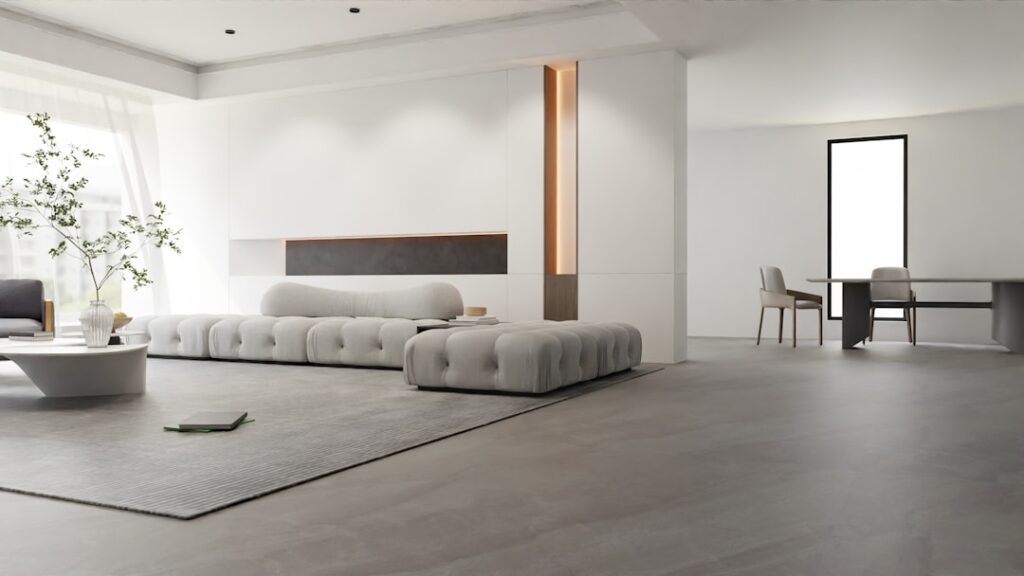
Luxury vinyl plank has gone from budget alternative to the default floor in millions of American homes, and certain styles consistently outsell the rest. The most popular LVP flooring shares a recognizable formula: wide planks with realistic wood-look texture, a waterproof rigid core, and on-trend neutral colors that work in almost any room. Rather than chase a fabricated brand ranking, it is more useful to understand the features and looks that make some LVP fly off the shelves. This guide breaks down what drives popularity, the trade-offs, and how to choose well.
Why LVP Became So Popular
LVP solved problems that plagued older flooring. It looks like hardwood or stone but costs a fraction of the price, installs as a floating click floor without glue or nails, and is fully waterproof in its modern rigid-core forms. That combination, real-wood looks, low cost, DIY-friendly installation, and waterproofing, made it the obvious choice for kitchens, basements, baths, and busy family homes alike.
Durability sealed the deal. A quality wear layer resists scratches from pets and furniture, and the rigid core handles dropped objects and rolling chairs without denting. For most households, LVP simply does more jobs than any other affordable floor.
The Looks That Sell Best
Popularity clusters around a few consistent styles. These are the looks you will see most often in showrooms and finished homes.
- Wide wood-look planks: 7-inch and wider boards mimicking oak, hickory, and walnut, which feel current and make rooms look larger.
- Light to mid-tone neutrals: warm honey oaks, greige, and soft natural browns that pair with any decor and hide dirt.
- Long planks: extended lengths that create fewer seams and a more authentic hardwood appearance.
- Embossed-in-register texture: surface grain that aligns with the printed image for convincing realism.
- Matte and low-sheen finishes: the natural, non-glossy look that dominates current taste.
Stone and tile-look LVT is also strong in bathrooms and entries, but wood-look wide plank is the runaway favorite overall.
What Makes LVP “Rigid Core”
The biggest leap in LVP popularity came with rigid-core construction. Older flexible LVP could telegraph subfloor imperfections and dent more easily. Rigid cores changed that, and they come in two main types.
- SPC (stone plastic composite): a dense limestone-based core that is highly stable, dent-resistant, and thin, with a firmer feel underfoot.
- WPC (wood plastic composite): a slightly thicker, softer, warmer core with more cushion and sound absorption.
Both are waterproof. SPC dominates for its durability and stability over imperfect subfloors, while WPC appeals to buyers who want a softer, quieter step. Knowing the difference helps you match the product to your priorities.
The Pros of Popular LVP
The features that make these floors popular are genuine advantages. LVP is waterproof, so it goes anywhere in the home. It is durable, with wear layers that withstand years of traffic, pets, and kids. It installs quickly as a floating floor, saving on labor or enabling a weekend DIY project. And it delivers convincing wood and stone looks at a price well below the real thing.
Maintenance is minimal too: sweep and damp mop, with no waxing, sealing, or refinishing required. For the way most families actually live, LVP is hard to beat.
The Cons to Keep in Mind
Popularity does not make LVP flawless. It cannot be refinished; once the wear layer is worn through, the plank is replaced rather than sanded. It is a synthetic, petroleum-based product, so buyers concerned about indoor air should look for low-VOC, FloorScore-certified options. Cheap LVP with a thin wear layer scratches and fades, undermining the durability the category is known for.
Heavy direct sunlight can fade some products, and very inexpensive planks may have weak click joints that separate over time. As with any category, the lowest tier rarely delivers the experience that made LVP popular in the first place.
How to Choose Quality LVP
Focus on the specs that predict performance rather than marketing. The wear layer is the most important number: 12 mil suits typical residential use, while 20 mil handles heavy traffic and pets. Confirm the product is rigid-core and waterproof if you need it in wet areas. Check the warranty length as a rough proxy for manufacturer confidence.
Always order samples and view them under your home’s lighting next to your cabinets and walls. Buy 10 percent extra for cuts, waste, and future repairs, and verify all boxes come from the same batch for color consistency.
Installation: Why It Drives Popularity
A big reason LVP took over is how approachable installation has become. Most popular LVP uses a floating click-lock system that requires no glue or nails, so planks snap together and rest over the subfloor with a small expansion gap around the perimeter. A confident DIYer can floor a room in a day with little more than a utility knife, a tapping block, and a measuring tape.
Subfloor prep still matters, the surface must be clean, dry, and reasonably flat, but rigid-core LVP tolerates minor imperfections better than tile or hardwood. Some products include an attached underlayment pad for sound and comfort, while others call for a separate one. This ease of installation lowers the total project cost dramatically and is a major reason wide-plank click LVP became the default floor in so many homes.
Caring for Your LVP
Keeping popular LVP looking new takes very little effort, which is part of its appeal. Sweep or vacuum regularly to remove grit that can scratch the wear layer, and damp mop with a manufacturer-approved cleaner. Avoid abrasive scrubbers, wax, and oil-based products that can dull or damage the finish, and skip steam mops unless the manufacturer specifically allows them.
Protect the surface with felt pads under furniture and mats at entries to trap grit and moisture. In rooms with strong direct sunlight, consider blinds or UV-filtering window film to limit fading on susceptible products. With this simple routine, a quality LVP floor with a thick wear layer stays attractive and functional for well over a decade.
The Bottom Line
The most popular LVP flooring earns its standing through a clear set of strengths: wide, realistic wood-look planks, waterproof rigid cores, on-trend neutral colors, and easy DIY installation, all at an affordable price. Rather than fixate on which brand tops a list, choose by wear-layer thickness, core type, and finish, then sample it in your own space. Match those proven features to your rooms and budget, and you will end up with the same versatile, durable floor that made LVP the most popular flooring in America.
Prefer to explore on your own?
See how new flooring looks in your actual room in seconds — free, no signup.
Try the free Floor Studio →