
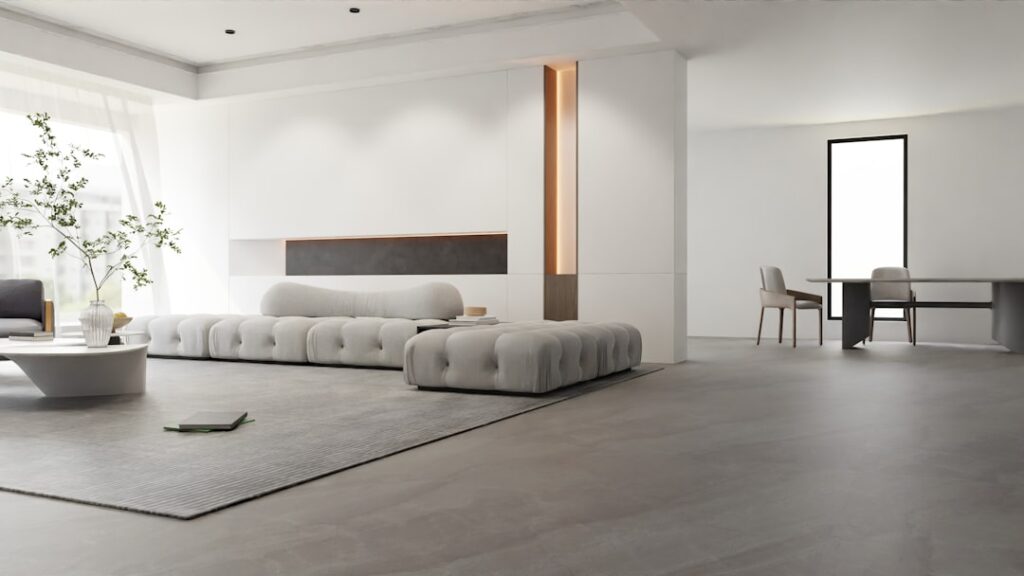
The single biggest regret in flooring projects is buying based on a website photo or a tiny showroom chip. Ordering LVP flooring samples before you commit is the cheap insurance that prevents thousands of dollars in mistakes, because luxury vinyl plank looks dramatically different under your own lighting, next to your cabinets, and beneath your actual furniture. Samples let you judge color, texture, plank thickness, and build quality with your own hands. This guide explains how to get samples, exactly what to evaluate, and how to compare them so the floor you order matches the one you imagined.
- Why Samples Matter So Much With LVP
- How to Order LVP Flooring Samples
- What to Check on Every Sample
- Testing Samples in Your Home
- Pros of Ordering Samples First
- Cons and Limitations to Keep in Mind
- How Many Samples to Order
- Comparing Samples Against Your Fixed Elements
- Turning Samples Into a Confident Order
Why Samples Matter So Much With LVP
Vinyl plank relies on a printed image layer to mimic wood or stone, and the realism varies enormously between products. A plank that looks rich and natural on a glowing monitor can look flat and repetitive in person. Lighting changes everything: north-facing rooms read cooler, warm bulbs pull out yellows and reds, and big windows reveal sheen and surface texture that photos hide. Holding a real sample against your trim, walls, and cabinets is the only reliable way to know how the floor will actually feel in your space.
How to Order LVP Flooring Samples
You have several easy avenues, and most cost little or nothing.
- Online retailers: Most major LVP sellers ship small plank samples for free or a few dollars, often refunding the cost when you order the full floor.
- Big-box stores: Home centers carry sample chips and sometimes full planks you can take home.
- Local flooring stores: Showrooms will usually loan or give you samples, and staff can pull coordinating options.
- Manufacturer websites: Ordering directly from the maker ensures you see the current production color and texture.
Order three to five options rather than one. Comparing several side by side tells you far more than judging a single sample in isolation.
What to Check on Every Sample
A sample is your chance to inspect the things that determine durability and looks. Run through this checklist with each one.
Wear Layer Thickness
The clear top layer, measured in mils, is the most important durability spec. Aim for 12 mil for typical family homes and 20 mil or more for busy households, pets, or light commercial use. Thin 6 to 8 mil products are best left to low-traffic rooms.
Core Type
Most quality LVP uses a rigid core, either SPC (stone polymer composite) for hardness and dent resistance or WPC (wood polymer composite) for a softer, warmer feel. Flex the sample; a rigid core barely bends, which is what you want over imperfect subfloors.
Surface Texture and Sheen
Run your fingers across the plank. Embossed-in-register (EIR) texture, where the grain you feel lines up with the grain you see, looks far more convincing than smooth printing. Check the sheen in bright light; a lower satin finish hides scuffs and footprints better than high gloss.
Click Joint Quality
If you receive full planks, snap two together. A crisp, tight click that leaves no visible gap signals a well-milled product that will install cleanly and stay tight.
Testing Samples in Your Home
Once the samples arrive, treat them like a mini experiment.
- Lay them on the floor in the actual room, not on a table.
- View them at different times of day, since morning, midday, and evening light shift the color noticeably.
- Set them next to your cabinets, trim, and largest furniture to check undertones.
- Walk on them in socks and bare feet to gauge warmth and slip.
- Try a quick scratch and stain test on a corner: drag a key, drop a bit of coffee, then wipe it up to see how the surface holds up.
Pros of Ordering Samples First
- Avoids costly mistakes: A $0 to $10 sample can prevent a four-figure mistake on the wrong color or quality.
- Reveals true color: You see how the plank reads in your specific lighting.
- Lets you feel quality: Wear layer, texture, and click fit are obvious in hand and invisible online.
- Helps coordinate the room: Matching against cabinets and trim avoids clashing undertones.
Cons and Limitations to Keep in Mind
- Dye-lot variation: A sample may come from a different production run than your order, so confirm consistency and inspect the delivered boxes.
- Small piece, big floor: A single plank cannot show how a repeating pattern looks across a whole room; ask how many unique plank faces the product has.
- Shipping delays: Free samples can take a week or two, so order early in your planning.
How Many Samples to Order
There is a sweet spot. Order one or two and you have nothing to compare against; order fifteen and you will be paralyzed by choice. Three to five well-chosen options is ideal. Pick samples that differ meaningfully in tone, such as a light oak, a mid-brown, and a gray, rather than five near-identical browns. This way each sample teaches you something about which direction suits your space. Once you narrow to a top two, you can always order a second, larger sample of each finalist to confirm the decision before committing to a full order.
Comparing Samples Against Your Fixed Elements
Your floor has to live with things you are not replacing, so test against them directly. Hold each sample next to your kitchen cabinets, your stair treads, your largest sofa, and your wall color. Pay attention to undertones: a floor with cool gray undertones can clash with warm honey cabinets, while a warm plank can fight cool gray walls. Look at the contrast level too. A very dark floor against very light trim creates a bold, high-contrast look that shows dust, while a mid-tone floor hides debris and feels more relaxed. These pairings are impossible to judge from a website thumbnail.
Turning Samples Into a Confident Order
After narrowing to a favorite, calculate your square footage and add 7 to 10 percent for cutting waste and future repairs. Confirm the product’s wear layer, core type, and warranty one more time against the official spec sheet, and ask the retailer to verify current stock and dye lot. If possible, order all your flooring from a single batch to keep color consistent. Ordering LVP flooring samples first turns a nerve-wracking guess into a confident decision, and it is the simplest, cheapest step you can take to make sure the floor you install is the floor you actually wanted.
Prefer to explore on your own?
See how new flooring looks in your actual room in seconds — free, no signup.
Try the free Floor Studio →

