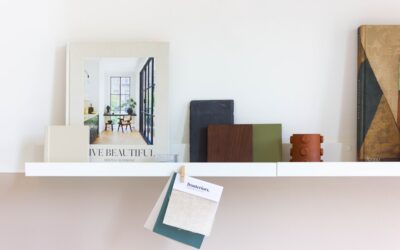
Choosing tile from a screen or a tiny showroom chip is one of the fastest ways to end up disappointed once it covers your wall. Ordering backsplash tile samples before you commit is the single cheapest insurance policy in a kitchen remodel, often costing nothing and saving you hundreds in returns or regret.
Part of our Kitchen Remodeling guide — explore the full guide →
This guide explains why physical samples matter so much, where to find them, and exactly how to judge a tile once it is sitting in your own kitchen under your own lights. Spend a week on this step and you will buy your full order with confidence.
- Why Physical Samples Beat Photos Every Time
- Where to Order Backsplash Tile Samples
- How Much Samples Typically Cost
- How Many Samples Should You Order
- Evaluating Samples Under Your Own Lighting
- What to Look For Beyond Color
- Matching Samples to Your Whole Kitchen
- Common Mistakes to Avoid
- Turning Samples Into a Confident Order
Why Physical Samples Beat Photos Every Time
A backsplash is seen up close and in a narrow band of light between your counter and cabinets. Photos flatten texture, distort color, and never capture the way a glossy glaze bounces light or a matte finish absorbs it. Two screens will render the same tile differently, and a showroom’s bright overhead fixtures rarely match the warm bulbs over your sink.
Holding the real thing lets you check three things a photo hides: true color against your countertop and cabinets, actual surface texture, and how the finish reacts to your specific lighting. Those three factors decide whether a backsplash looks custom or looks like a compromise.
Where to Order Backsplash Tile Samples
You have more sources than most homeowners realize, and many are free:
- Big-box home improvement stores: Home Depot and Lowe’s stock loose sample chips in-store and ship full-size samples for many online-only lines.
- Online tile retailers: companies like Wayfair, Tilebar, Bedrosians, and The Tile Shop run dedicated sample programs, usually mailing a single tile or a 4-by-4-inch cut.
- Local tile showrooms: often the best option for premium or handmade lines, and staff can loan larger boards.
- Manufacturer websites: brands such as Daltile and Fireclay ship samples directly, sometimes with a small deposit refunded on purchase.
Online sample programs have made this step effortless. You can request a dozen options in an evening and have them on your counter within a week.
How Much Samples Typically Cost
Cost rarely stands in your way. Many retailers send single-tile samples free, especially when they expect a full order to follow. Others charge a token $1 to $5 per sample to cover shipping, and a few premium or handmade brands ask $10 to $15 for a larger board. Several programs credit that fee back toward your final purchase.
Compare that to the price of guessing wrong. A full backsplash runs anywhere from $10 to $40 per square foot installed, and a typical kitchen uses 25 to 40 square feet. Spending a few dollars on samples to avoid a $600 mistake is not a decision that requires much thought.
How Many Samples Should You Order
Order more than you think you need, then narrow down. A practical approach looks like this:
- First round: request 6 to 10 samples spanning different colors, finishes, and shapes to see what actually appeals in your space.
- Second round: narrow to 2 or 3 favorites and, if possible, order a larger quantity or a full sheet of each to judge grout lines and repeat patterns.
- Final check: live with your top pick for several days before placing the full order.
A single 4-by-4-inch chip tells you the color but not the rhythm of a pattern. For mosaics and subway layouts, seeing at least a square foot reveals how the grout joints and tile edges will read across a wall.
Evaluating Samples Under Your Own Lighting
This is where samples earn their keep. Tape or prop each tile directly against your countertop and up near the cabinets where the backsplash will actually sit. Then study it under every lighting condition your kitchen sees:
- Morning and afternoon daylight, which can swing a warm cream toward yellow or a cool gray toward blue.
- Evening with your overhead and under-cabinet lights on, the way you will see it most nights.
- Against your real counter and cabinet colors, never against a bare white wall that fools your eye.
Under-cabinet LED strips are especially revealing because they graze the tile at a sharp angle and exaggerate texture and sheen. A glossy tile that looked calm in the store can throw glare here, while a matte or handmade tile gains depth. Watch the sample for a full day before you trust your first impression.
What to Look For Beyond Color
Color grabs your attention first, but a good backsplash choice depends on several practical traits. Run your fingers across the surface: a heavily textured or handmade tile with irregular edges looks beautiful but traps grease and takes more effort to wipe clean behind a stove. Check the finish, since glossy glazes hide water spots better than matte in a busy kitchen.
Look at the edges too. Pressed-edge tiles butt together tightly for a seamless modern look, while cushioned or rounded edges leave wider grout lines that read more traditional. Hold the sample next to a chip of your intended grout color, because grout can shift the entire feel of a backsplash from crisp to soft.
Matching Samples to Your Whole Kitchen
A backsplash never lives in isolation, so judge every sample as part of a full set of finishes rather than on its own. Gather your other decision materials in one place: a cabinet door sample, a countertop remnant or photo, your flooring, and even the metal finish of your faucet and cabinet hardware. Lay them out together on the counter and study how the tile behaves in that company.
Pay attention to undertones, the quiet warm or cool bias hiding beneath the obvious color. A white tile with a gray undertone can look dirty next to a cream quartz, while a warm ivory tile can clash with a crisp, cool marble-look counter. These mismatches rarely show up in a catalog photo but jump out the moment the real materials sit side by side. Balancing undertones across every surface is what separates a kitchen that feels designed from one that feels assembled piece by piece.
Common Mistakes to Avoid
Even careful homeowners stumble on a few predictable errors. Steer clear of these:
- Judging a sample flat on the counter instead of upright where the backsplash will actually sit, which changes how light hits it.
- Deciding under store lighting only, then being surprised when the tile shifts color at home.
- Ordering the full quantity from a different dye lot than the sample you approved, risking a subtle color mismatch.
- Rushing the decision after a single glance rather than living with the sample for a few days.
- Ignoring grout color, which can swing the whole look from crisp and modern to soft and traditional.
Each of these mistakes is easy to avoid once you know to watch for it, and every one of them is far cheaper to catch at the sample stage than after installation.
Turning Samples Into a Confident Order
Once a favorite emerges, do a few final checks before ordering the full quantity. Confirm the tile is from a single dye lot for your entire order, since color can vary batch to batch. Measure your backsplash area, add 10 to 15 percent for cuts and waste, and verify the sample matches the box you eventually receive.
Handled this way, ordering backsplash tile samples transforms a nerve-wracking guess into a calm, informed decision. A few dollars and a week of patience buy you a backsplash you will still love long after the remodel dust settles, and that peace of mind is worth far more than the samples themselves.
Prefer to explore on your own?
See how new flooring looks in your actual room in seconds — free, no signup.
Try the free Floor Studio →