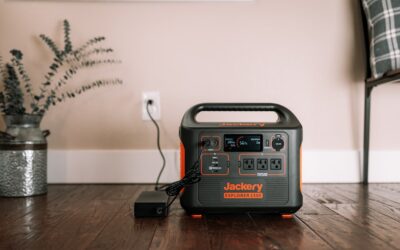
The biggest advantage of a natural gas generator for home backup has nothing to do with the engine: it is the fuel supply. If your house already has a utility gas line, a standby unit tied into it can run for days without anyone hauling gas cans or scheduling a propane delivery in the middle of an ice storm. The trade-offs are real, though. Natural gas carries less energy per cubic foot than propane, so the same engine produces less power, and your gas meter has to be big enough to feed the generator and your furnace, water heater, and range at the same time.
In short, natural gas makes the most sense when you already have a gas service, you want hands-off standby power for long outages, and you are willing to size the generator and the meter correctly. If you only need to keep a refrigerator, sump pump, and a few circuits alive, a tri-fuel portable that can run on natural gas, propane, or gasoline is a cheaper, flexible middle ground.
- When a Natural Gas Generator for Home Makes Sense
- How Natural Gas Home Generators Work
- Derating: Natural Gas vs Propane Output
- Sizing the Generator and the Gas Meter
- Tri-Fuel Portables vs Standby Units
- Carbon Monoxide and Placement Safety
- Installation Steps and Who Does What
- Troubleshooting Common Problems
- Cost Ranges to Expect
- When to Call a Licensed Professional
- Frequently Asked Questions
This guide walks through how a natural gas powered home generator works, how to size one, what derating means, how tri-fuel portables compare, typical cost ranges, and which parts of the job belong to licensed professionals.
When a Natural Gas Generator for Home Makes Sense
A natural gas generator for home use shines in a handful of specific situations. Consider it seriously if several of these describe your house:
- You already have utility gas. Running a new gas service just for a generator is expensive, and many rural areas have no main to tap. Homes on propane tanks or all-electric homes usually lean toward propane or diesel instead.
- Outages last longer than a day. Hurricanes, ice storms, and wildfire-related shutoffs can stretch to a week. A whole home generator on natural gas keeps running as long as the gas utility keeps pressure in the lines, which it usually does even when the power grid is down.
- Someone in the house depends on power. Medical equipment, well pumps, sump pumps, and heating systems are strong reasons to want automatic, unattended backup.
- You want low maintenance fuel. Gasoline goes stale in months, and propane requires tank monitoring. Natural gas never needs to be stored, stabilized, or refilled.
It makes less sense in earthquake-prone areas where gas service may be shut off after a quake, in homes with an undersized meter the utility will not upgrade, or on a tight budget where a portable unit would cover the essentials.
How Natural Gas Home Generators Work
Most full house gas generators are permanently installed standby units. They sit on a pad outside, typically a few feet from the house, and connect to three things: your gas supply through a dedicated line and shutoff valve, your electrical system through an automatic transfer switch, and a small battery that starts the engine.
When utility power fails, the transfer switch senses the loss, waits a few seconds to confirm it is not a brief flicker, signals the generator to start, and then moves your house loads from the utility to the generator. When the grid returns, it switches back and lets the engine run a cool-down cycle before shutting off. Most units also run a short weekly or monthly exercise cycle so you know they will start when needed.
Air-cooled standby models are common in the roughly 10 to 26 kW range for homes, while liquid-cooled engines handle larger houses and heavier, longer runtimes. A gas powered generator for home use in this class is designed to run for days, but it still needs oil changes, filter replacements, and spark plug service on a schedule, especially during extended outages.
Derating: Natural Gas vs Propane Output
Natural gas contains roughly 1,000 BTU per cubic foot, while propane vapor carries about 2,500 BTU per cubic foot. Engines are tuned for each fuel, but the energy gap still shows up in the rating plate. Many dual-rated generators list a lower kilowatt figure on natural gas than on propane, often around 10 percent less, and portable tri-fuel units can lose more than that.
Temperature and altitude reduce output further. As a rough rule, engine-driven generators lose a few percent of capacity for every 1,000 feet of elevation above sea level and for high ambient temperatures. If you live at altitude, ask the dealer or installer for the derated figure at your elevation, not just the sea-level number printed on the brochure.
The practical takeaway: when you compare models, always compare the natural gas rating, and leave headroom above your calculated load.
Sizing the Generator and the Gas Meter
Sizing happens in two parallel tracks: electrical load and gas supply. Skipping either one is the most common reason a new standby system disappoints.
Electrical sizing
- List what must run. Refrigerator, freezer, furnace blower, sump pump, well pump, lights, internet, and medical devices are the usual core.
- Add the big motor loads. Central air conditioners and heat pumps pull a large surge when the compressor starts. Many installers add soft-start kits to reduce that surge so a smaller generator can handle it.
- Decide whole-house or managed. A true whole home generator natural gas setup covers everything at once. A smaller unit paired with load management modules can shed non-essential loads, such as a dryer or second AC, when the generator nears capacity.
- Leave margin. Aim to run the generator at no more than about 70 to 80 percent of its natural gas rating under normal conditions.
Gas supply sizing
A standby generator can consume a large volume of gas at full load, often a couple hundred cubic feet per hour or more for mid-size units. Add your furnace, water heater, range, and any fireplace, and the total can exceed what a standard residential meter delivers. Your installer should total the BTU demand of every gas appliance plus the generator and confirm the meter and service pressure can support it. If not, the gas utility may need to upgrade the meter or regulator, which can add weeks to the timeline.
Pipe size matters just as much. A long run of undersized pipe starves the engine, causing it to bog down or shut off under load. The licensed gas fitter sizes the line based on length, fittings, and pressure, and a dedicated shutoff valve and sediment trap are installed at the generator.
Tri-Fuel Portables vs Standby Units
A tri-fuel portable generator is worth a close look if you want some of the benefits of natural gas without committing to a permanent installation. These portables run on gasoline, propane, or natural gas, so you can connect to a natural gas quick-connect outlet during a long outage and switch to propane or gasoline if needed.
| Factor | Standby (natural gas) | Tri-fuel portable |
|---|---|---|
| Start-up | Automatic in seconds | Manual, you roll it out and start it |
| Coverage | Whole house or managed loads | Selected circuits |
| Natural gas output | Modest derate | Larger derate on gas |
| Installation | Pad, gas line, ATS, permits | Inlet, interlock or transfer switch, gas quick-connect |
| Typical cost | Higher | Much lower |
A tri-fuel unit still needs a safe connection to your house wiring, meaning a transfer switch or a code-approved interlock with a power inlet box, installed by a licensed electrician. It also needs a licensed gas fitter to install a proper natural gas outlet with a shutoff valve. Never improvise a gas hookup with hardware store fittings.
Carbon Monoxide and Placement Safety
Every engine-driven generator produces carbon monoxide, and natural gas does not change that. Poor placement is behind many generator-related CO poisonings each year.
- Never run any generator indoors, including in a garage, basement, crawlspace, or shed, even with doors or windows open.
- Follow the manufacturer’s clearance requirements for standby units, which specify minimum distances from windows, doors, soffit vents, and air intakes, and meet local code. Portables should typically sit at least 20 feet from the house with the exhaust pointed away.
- Install CO alarms on every level of the home and near sleeping areas. Test them monthly and replace them at the end of their rated life.
- Have other combustion appliances checked. Annual inspection of furnace, water heater, and chimney or vent systems catches blocked flues that can add to indoor CO during a storm.
If a CO alarm sounds or anyone feels dizzy, nauseated, or headachy while a generator is running, get everyone outside to fresh air and call 911.
Installation Steps and Who Does What
Homeowners can plan and prepare, but most of this project is licensed work. A typical sequence looks like this:
- Load and fuel assessment. An installer inventories your electrical loads and gas appliances and recommends a size.
- Utility check. The gas utility confirms meter capacity and service pressure, upgrading if necessary.
- Permits. Electrical, gas, and sometimes zoning or HOA approvals are pulled. Setback and noise rules vary by town.
- Site prep. A level composite pad or gravel base is placed where clearances are met. Call 811 before any digging so buried lines are marked.
- Gas line. A licensed gas fitter runs and sizes the line, installs a shutoff valve and sediment trap, and pressure-tests for leaks.
- Electrical. A licensed electrician installs the transfer switch, wires the generator, and configures any load management.
- Inspection and commissioning. Inspectors sign off, and the installer runs a simulated outage to verify automatic transfer.
Troubleshooting Common Problems
- Engine surges or stalls under load: often a gas supply issue, such as undersized pipe, a low-capacity meter, or a regulator that cannot keep up. Have the gas fitter check pressure at the generator while it runs under load.
- Won’t start during an exercise cycle: check the battery, which is the most common failure, and any error codes on the controller. Weak batteries should be replaced every few years.
- Lights dim when the AC starts: the compressor surge is near the generator’s limit. A soft-start kit or load management usually solves it.
- Transfer switch doesn’t return to utility: call the installer. Do not open the transfer switch or panel yourself.
- Smell of gas near the unit: treat it as an emergency. Leave the area, do not operate switches, and call the gas utility from a safe distance.
Cost Ranges to Expect
Prices vary widely by region, generator size, and how far the unit sits from the meter and panel. As general ranges, a natural gas standby generator plus transfer switch and professional installation often runs in the high four figures to well into five figures for larger whole home systems. Gas line runs, meter upgrades, load management modules, and permit fees add to the total. A tri-fuel portable generator usually costs a fraction of that, plus a few hundred to a couple thousand dollars for the inlet box, interlock or transfer switch, and gas quick-connect installation.
Operating cost depends on local gas rates and load, but natural gas is typically less expensive per hour than gasoline for comparable output. Budget for annual maintenance visits as well.
When to Call a Licensed Professional
Treat gas and electrical connections as off-limits for DIY. Gas lines and appliance connections must be installed by a licensed gas fitter or plumber with permits and a leak test, and if you ever smell gas, leave the house and call the gas utility. Transfer switches, interlocks, and generator wiring belong to a licensed electrician, because an improper connection can backfeed utility lines and endanger line workers or damage your equipment. Many jurisdictions also require permits and inspections for the pad, noise compliance, and placement. The homeowner’s job is to plan the loads, choose a qualified installer, keep up maintenance, and keep CO alarms working.
Frequently Asked Questions
How long can a natural gas generator run during an outage?
As long as the utility maintains gas pressure and the engine gets required maintenance, a natural gas standby unit can run for days. During long outages, plan for oil and filter changes at the intervals listed in the owner’s manual.
Is natural gas or propane better for a home generator?
Natural gas is more convenient if you already have service because there is no tank to refill. Propane produces somewhat more power per engine and works where there is no gas main, but it requires tank storage and deliveries.
Can I convert a gasoline portable to natural gas?
Conversion kits exist, but they may void warranties and must be installed and connected safely. A factory tri-fuel portable is usually the simpler choice, and any gas hookup should be installed by a licensed gas fitter.
What size natural gas generator do I need for my whole house?
Many average homes land somewhere between about 14 and 26 kW on natural gas, depending on central air, electric appliances, and well pumps. A professional load calculation is the only reliable way to size one.
Do I need a bigger gas meter for a standby generator?
Often, yes. Add the generator’s full-load gas demand to your other appliances and compare it with your meter’s capacity. The gas utility decides whether an upgrade is required.