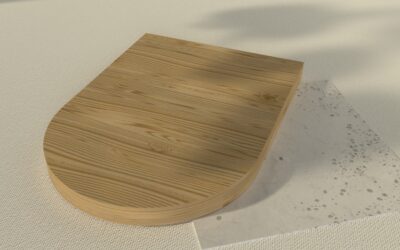
A cracked, stained, or wobbly seat drags down the look of an entire bathroom, yet replacing it is one of the fastest and cheapest upgrades you can make. Installing a new toilet seat takes about 15 minutes with basic tools, and choosing the right one comes down to shape, material, and hinge type. This guide walks you through every step.
Part of our Bathroom Remodeling & Flooring guide — explore the full guide →
- When to Replace Your Toilet Seat
- Round vs. Elongated: Get the Shape Right
- How to Measure Your Toilet
- Choosing a Material
- Hinge Options That Make Life Easier
- Extra Features to Consider
- Tools You Will Need
- Step-by-Step Installation
- Dealing With Stuck Old Bolts
- Cost Expectations
- Matching the Seat Color
- Top-Mount vs. Bottom-Mount Hardware
- Comfort-Height and Accessibility Options
- How Long a New Seat Lasts
- Fixing a Wobbling Seat
- Recycling and Disposal
- Common Mistakes to Avoid
- Final Thoughts
When to Replace Your Toilet Seat
A few clear signs mean it is time for a replacement:
- Cracks or chips that can pinch skin or harbor bacteria.
- Stubborn stains and discoloration that will not clean off.
- Loose mounting that lets the seat shift or slide.
- Broken or worn hinges.
- A dated color or style you simply want to update.
Because seats are inexpensive and easy to swap, there is little reason to live with one that is damaged or unsanitary.
Round vs. Elongated: Get the Shape Right
The first and most important decision is the bowl shape. Seats come in two forms:
- Round — a more circular bowl, common in smaller or older bathrooms; measures about 16.5 inches from bolts to front.
- Elongated (oval) — a longer, egg-shaped bowl standard in newer homes; measures about 18.5 inches.
The two are not interchangeable, so measure before you buy to avoid a mismatched, overhanging, or gapping seat.
How to Measure Your Toilet
- Measure from the center of the two mounting bolts at the back of the seat to the front edge of the bowl.
- Around 16.5 inches means round; around 18.5 inches means elongated.
- Measure the width at the widest point, usually about 14 inches.
- Measure the distance between the bolt holes, typically 5.5 inches, to confirm standard spacing.
These three numbers guarantee the new seat will fit correctly.
Choosing a Material
Seat material affects durability, comfort, and price:
- Molded wood — heavier and warmer to the touch, with a durable enamel finish.
- Plastic (polypropylene) — lightweight, hygienic, and easy to wipe clean.
- Thermoset plastic — a dense, chip- and stain-resistant plastic that holds up well.
- Cushioned — soft and comfortable but wears faster and is harder to sanitize.
For most bathrooms, molded wood or thermoset plastic offers the best mix of longevity and appearance.
Hinge Options That Make Life Easier
Hinges are where modern seats really shine:
- Soft-close — a dampener lowers the lid gently, eliminating slams and pinched fingers.
- Quick-release — the seat pops off for thorough cleaning and snaps back on.
- Standard — basic and cheapest, but the seat can slam and loosen over time.
Spending a few extra dollars on soft-close and quick-release hinges is well worth it for the daily convenience and easier cleaning.
Extra Features to Consider
Today’s seats offer upgrades beyond the basics:
- Antimicrobial finishes — resist bacteria and staining.
- Built-in night lights — a soft LED for nighttime visits.
- Heated seats — electric warming that needs a nearby outlet.
- Bidet seats — add a washing function but require a water line and often power.
Decide which features fit your household and budget before shopping.
Tools You Will Need
Most seat swaps require very little:
- A screwdriver or a small wrench.
- Possibly pliers for stubborn nuts.
- A rag and cleaner for the exposed bowl surface.
- A hacksaw only in the rare case of corroded metal bolts.
Many new seats include plastic bolts you can tighten by hand, making tools almost optional.
Step-by-Step Installation
- Locate the bolt caps at the back of the existing seat and flip them open.
- Unscrew the nuts underneath while holding the bolts steady; use pliers if they are stuck.
- Lift off the old seat and clean the bowl surface around the holes thoroughly.
- Position the new seat so its bolts drop through the mounting holes.
- Thread the nuts on from below and hand-tighten evenly.
- Snug the nuts with a screwdriver or wrench, keeping the seat centered.
- Close the bolt caps and test that the seat is secure and does not shift.
Do not overtighten, since too much force can crack the porcelain. Snug and centered is all you need.
Dealing With Stuck Old Bolts
Corroded metal bolts are the one thing that can slow a swap. If a nut will not budge, apply penetrating oil and wait a few minutes. If it still resists, carefully cut through the bolt with a hacksaw blade or a rotary tool, protecting the porcelain with tape. Many replacement seats now use plastic hardware specifically to avoid this problem next time.
Cost Expectations
- Basic plastic seats: 15 to 30 dollars.
- Soft-close molded wood or thermoset seats: 30 to 70 dollars.
- Heated or bidet seats: 100 to 600 dollars.
Even a quality mid-range seat costs less than a restaurant meal, making it one of the best value upgrades in the home.
Matching the Seat Color
While white dominates, toilets also come in bone, biscuit, almond, gray, and other shades, especially in older homes. Matching the seat to the bowl gives a finished look, but colors vary between brands, so an off-brand almond may not perfectly match your bowl. Whenever possible, buy the seat from the same manufacturer as the toilet, or bring the model number and a photo to compare shades. Even among white toilets, there are bright whites and softer off-whites, so double-check before you buy to avoid a mismatch.
Top-Mount vs. Bottom-Mount Hardware
Seats attach with different fastening systems that affect how easy installation is:
- Top-mount bolts — tighten entirely from above, perfect for toilets in tight corners where you cannot reach underneath.
- Bottom-mount nuts — the traditional design requiring access below the bowl rim.
If your toilet sits close to a wall or vanity, a top-mount seat can make the job dramatically easier. Most seats also now use corrosion-resistant plastic hardware, which loosens easily years later when the next replacement comes around.
Comfort-Height and Accessibility Options
Standard seats are not your only choice. Raised or comfort-height seats add an inch or two to make sitting down and standing up easier, which benefits taller users and anyone with knee, hip, or mobility challenges. There are also seats compatible with grab rails and elevated risers for accessibility. If someone in the household is recovering from surgery or has limited mobility, these options can make the bathroom safer and more comfortable without replacing the entire toilet.
How Long a New Seat Lasts
A quality seat generally lasts several years to well over a decade, depending on material and how heavily the bathroom is used. Molded wood and thermoset plastic hold up best, resisting cracking and staining, while cushioned seats wear fastest. You will know it is time for another replacement when the seat loosens repeatedly, develops cracks, stains permanently, or the hinges fail. Since seats are cheap and quick to install, most people replace one at the first sign of wear rather than nursing it along.
Fixing a Wobbling Seat
If your existing seat rocks or slides, you may not even need a full replacement. The most common cause is loosened mounting nuts, which back off over months of use. Open the bolt caps, hold each bolt steady, and re-snug the nut underneath without overtightening. If the seat still shifts, worn rubber bumpers or slightly oversized bolt holes may be to blame; many new seats include stabilizing washers or adjustable hardware that solves this. Knowing this trick can save a trip to the store, though a badly worn seat is still worth replacing outright.
Recycling and Disposal
When you remove an old seat, dispose of it responsibly. Rigid plastic and molded-wood seats are not typically accepted in curbside recycling, but some facilities take them, so check locally. If the seat is still in good shape and you are simply updating the style, consider donating it. Choosing a durable replacement material extends the time between swaps, which is the simplest way to reduce waste from a fixture that sees daily use.
Common Mistakes to Avoid
- Buying the wrong shape by skipping the measurement.
- Overtightening and cracking the bowl.
- Leaving the seat off-center so it looks crooked.
- Forgetting to clean the bowl surface before installing.
- Choosing a cushioned seat for a heavily used bathroom.
Final Thoughts
Fitting a new toilet seat is one of the easiest and most satisfying home improvements you can do, instantly refreshing a bathroom for very little money or effort. Measure your bowl to confirm round or elongated, choose a durable material with soft-close and quick-release hinges, and install it snug and centered without overtightening. In under 15 minutes you will have a clean, sturdy, comfortable seat that looks and feels brand new.