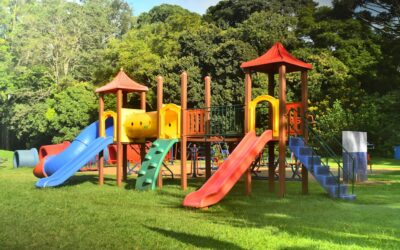
Most parents shopping for a backyard swing set assume wood is the default and everything else is a compromise. That is not always true. Non wood playsets built from powder-coated steel, vinyl-wrapped posts or molded plastic can cost less, last longer in wet climates and skip the yearly staining chore that wooden sets demand. They also come with their own trade-offs: hot slides in July, thinner tubing on bargain models and fewer ways to expand the set as kids grow.
If your budget is tight, a basic metal swing frame is usually the cheapest way to get swings in the yard, while a plastic climber suits toddlers and a vinyl-coated system suits families who want the look of a large fort without the maintenance. Wood still wins for customization and a natural look, and many buyers searching for affordable wooden playsets or cheap wood playsets end up comparing the same price tier as a mid-range metal or vinyl set. The sections that follow break down each material on price, lifespan, heat, upkeep and safety so you can decide with real numbers in mind.
- Non Wood Playsets vs Wooden Sets at a Glance
- Metal Playsets: The Budget Leader
- Vinyl-Coated Playsets: Low Maintenance at a Premium
- Plastic Playsets: Best for Toddlers and Small Yards
- Wooden Playsets: Where They Still Win
- Heat, Weather and Climate Considerations
- How to Choose the Right Playset Material
- Installation and Anchoring Safety
- Troubleshooting Common Problems
- When to Call a Professional Installer
- Frequently Asked Questions
Non Wood Playsets vs Wooden Sets at a Glance
Before getting into details, it helps to see how the four main materials stack up side by side. Ranges are general and vary by region, size and retailer.
| Material | Typical Price Range | Expected Lifespan | Yearly Upkeep |
|---|---|---|---|
| Powder-coated steel | $150 to $900 | 8 to 15 years | Touch up chips, check bolts |
| Vinyl-coated (vinyl over wood or steel) | $2,000 to $10,000+ | 15 to 25 years | Wash, tighten hardware |
| Molded plastic (HDPE or rotomolded) | $100 to $1,500 | 5 to 12 years | Wash, check for UV cracking |
| Cedar or pressure-treated wood | $400 to $5,000+ | 10 to 20 years | Seal or stain every 1 to 2 years |
Price per year of use is the number that matters most. A $300 steel frame that lasts ten years costs about $30 a year. A $1,200 cedar set that lasts fifteen years with proper sealing works out to roughly $80 a year before you count stain and your time. Vinyl sets look expensive up front but often have the lowest cost per year when you plan to keep them for a decade or more.
Metal Playsets: The Budget Leader
Steel swing frames with A-frame legs have been a backyard staple for decades, and they remain the lowest-cost route to swings. A basic metal swing set with two swings, a glider and a small slide often sells for $150 to $400. Heavier commercial-style frames with 2 3/8 inch or larger galvanized tubing run $600 to $1,500 and are built for years of hard use.
Strengths
- Lowest entry price for swings
- No splinters, rot or insect damage
- Powder coating resists rust for years when intact
- Light enough for two adults to move for mowing
Weaknesses
- Thin 1 1/2 inch tubing on bargain sets can flex and rock when older kids swing high
- Bare metal surfaces get hot in direct sun
- Scratched coating leads to rust at joints and cut ends
- Limited add-ons compared with modular wood forts
When shopping, look at tube diameter and wall thickness first. Budget frames rated for a total of 400 to 500 pounds are fine for young kids, but families with children over about age eight should look for heavier gauge steel and a top beam rated for more weight per swing position. Galvanized steel under the powder coat adds another layer of rust protection and is worth paying a little more for in humid or coastal areas.
Vinyl-Coated Playsets: Low Maintenance at a Premium
Vinyl playsets usually have a structural core of wood or steel wrapped in a thick PVC sleeve. The result looks like a painted wooden fort but never needs stain. These sets are typically sold through specialty dealers and installed by crews, which explains the higher price tag.
Expect to pay $2,000 for a modest vinyl swing and slide combination and $6,000 to $10,000 or more for a large fort with a covered deck, rock wall and multiple slides. In exchange, you get a surface that does not splinter, fade quickly or absorb water. Most maintenance comes down to washing off pollen and mildew once or twice a year with mild soap and a soft brush, plus tightening hardware each spring.
The main risks are cost and repairability. If a vinyl sleeve cracks from impact or cold-weather stress, replacement parts usually come from the original dealer. Ask about warranty length on both the vinyl and the internal frame before buying, and confirm whether the core is solid lumber or steel.
Plastic Playsets: Best for Toddlers and Small Yards
Molded plastic climbers, slides and small swing towers are made from high-density polyethylene or rotomolded resin. They are light, rounded and bright, which makes them a natural fit for kids from about 18 months to 6 years old. Prices range from about $100 for a small slide and climber to $1,500 for a larger plastic playhouse and swing combination.
Plastic has no sharp edges, no splinters and no rust. It cleans easily with a hose. On the other hand, cheap plastic becomes brittle after several summers of UV exposure, and faded or chalky surfaces are a sign the material is breaking down. Kids tend to outgrow these sets by age six or seven, so plan on a shorter useful life even if the plastic holds up.
Some mid-range sets combine plastic slides and panels with a steel frame. These hybrids can be a smart middle ground: stronger than all-plastic, cheaper than vinyl and cooler to the touch than bare metal decks.
Wooden Playsets: Where They Still Win
Buyers looking at affordable wooden playsets usually find kits in the $400 to $1,200 range made from pressure-treated pine or cedar. Cedar resists rot and insects naturally, while treated pine relies on chemical preservatives. Both need a water-repellent sealer or stain every one to two years to prevent cracking, graying and splinters.
Wood makes sense when you want to expand over time. Many kits accept add-on towers, monkey bars and swing beams, and a handy parent can build custom features. Wood also stays cooler in the sun than metal and feels more natural in a landscaped yard. The trade-off is ongoing labor and the risk of splinters, loose lag bolts and soft spots at ground contact.
Cheap wood playsets deserve extra scrutiny. Very low-priced kits often use thin 2×4 framing, small hardware and fir or spruce that is not rated for ground contact. If a wood set is priced close to a sturdy metal frame, the metal frame will usually outlast it.
Heat, Weather and Climate Considerations
Heat is the complaint parents raise most often about non wood playsets. Metal slides, steps and handrails in full afternoon sun can reach surface temperatures well above 120°F on an 85°F day. Dark plastic can also get uncomfortably hot. To reduce burn risk:
- Position slides facing north or east so they spend the hottest hours in shade
- Choose light-colored plastic and coated metal over dark or bare surfaces
- Add a canopy or shade sail over decks and seating areas
- Touch-test surfaces with the back of your hand before kids climb on during summer
Climate also affects lifespan. In humid southern states and coastal areas, wood is fighting moisture and termites, while galvanized steel and vinyl hold up better. In northern climates with deep freezes, cheap plastic can crack in cold weather and vinyl can become brittle if struck hard below freezing. Powder-coated steel generally handles freeze-thaw cycles well as long as chips are touched up before rust spreads.
How to Choose the Right Playset Material
Use these questions to narrow the choice quickly:
- How old are your kids? Under five points to plastic or a small hybrid. Ages five to twelve usually need the strength of heavy steel, vinyl or solid wood.
- What is your total budget, including installation? Under $500 favors metal or plastic. Above $2,000 opens up vinyl.
- How long will you use it? A short window of three to five years makes a budget metal or plastic set sensible. Ten years or more favors vinyl or cedar.
- How much maintenance will you really do? If you know staining will not happen, skip wood.
- How much space do you have? Plan for the set footprint plus at least 6 feet of clear use zone on every side, and more in front of and behind swings.
For many families, the sweet spot is a heavy-gauge metal swing set for older kids paired with a small plastic climber for younger siblings. That combination often costs less than a single mid-range wooden fort and needs far less upkeep.
Installation and Anchoring Safety
Every playset, regardless of material, must be anchored securely. Light metal and plastic sets are especially prone to tipping or walking when kids swing hard. Use the ground anchors supplied by the manufacturer at minimum, and in loose or sandy soil consider auger-style anchors or concrete footings. Always call 811 before digging so buried utility lines are marked, and check HOA rules or local permit requirements for larger structures.
Set the frame on level ground, tighten all bolts to the manufacturer’s instructions and recheck them after the first two weeks of use, then at the start of each season. Cap exposed bolt ends and inspect S-hooks on swings; they should be closed so a chain link cannot slip out.
Surfacing under the set matters as much as the structure. Grass and bare dirt do not cushion falls well. Use shock-absorbing material such as wood mulch, rubber mulch or engineered wood fiber at a depth recommended for the fall height, commonly 9 to 12 inches for loose-fill material, or rubber safety tiles rated for the set’s height. Keep loose fill raked level so thin spots and exposed edges do not become a trip hazard. If you use rubber tiles or mats, choose interlocking pieces with flat, beveled edges and check that corners stay down. Extend the protective surface at least 6 feet in all directions from the equipment.
Troubleshooting Common Problems
- Metal frame rocks or lifts: Add or replace ground anchors, and check that legs sit level. Rocking often means one leg is on softer soil.
- Rust spots appear: Sand lightly, clean, and apply a rust-inhibiting touch-up paint matched to the coating.
- Plastic is chalky or cracked: Chalking signals UV breakdown. Cracks on load-bearing parts mean the piece should be replaced, not patched.
- Vinyl has mildew: Wash with mild soap and water; avoid harsh abrasives that dull the finish.
- Swing chains squeak: Apply a silicone spray to swing hangers, and inspect hangers for wear grooves.
When to Call a Professional Installer
Hire a pro when the set is large, heavy or requires concrete footings, when your yard slopes more than a few inches across the footprint, or when the dealer requires professional installation to keep the warranty valid. Most vinyl systems are installed by trained crews for that reason. Installation for a mid-size set typically runs a few hundred dollars up to about $1,000 or more for large forts, depending on grading and anchoring work. A pro can also advise on proper use zones and surfacing depth for the set’s fall height.
Frequently Asked Questions
Are metal swing sets safe for older kids?
Yes, when they are heavy gauge and properly anchored. Look for thicker tubing, a weight rating that suits your children and anchors in every leg, and avoid the thinnest budget frames for kids over about eight.
Do plastic playsets last as long as wood?
Usually not. Plastic sets often last 5 to 12 years before UV exposure makes them brittle, while a well-maintained cedar set can last 15 years or more.
Are vinyl playsets worth the extra cost?
They can be if you plan to keep the set for a decade and want minimal upkeep. Divide the price by the years of use to compare fairly against wood plus stain and labor.
How do I keep a metal slide from getting too hot?
Face it north or east, add a shade canopy and test the surface with the back of your hand on hot days before kids use it.
What is the cheapest way to get a backyard swing set?
A basic powder-coated steel A-frame set is typically the lowest-cost option, often under $400 including swings and a small slide.