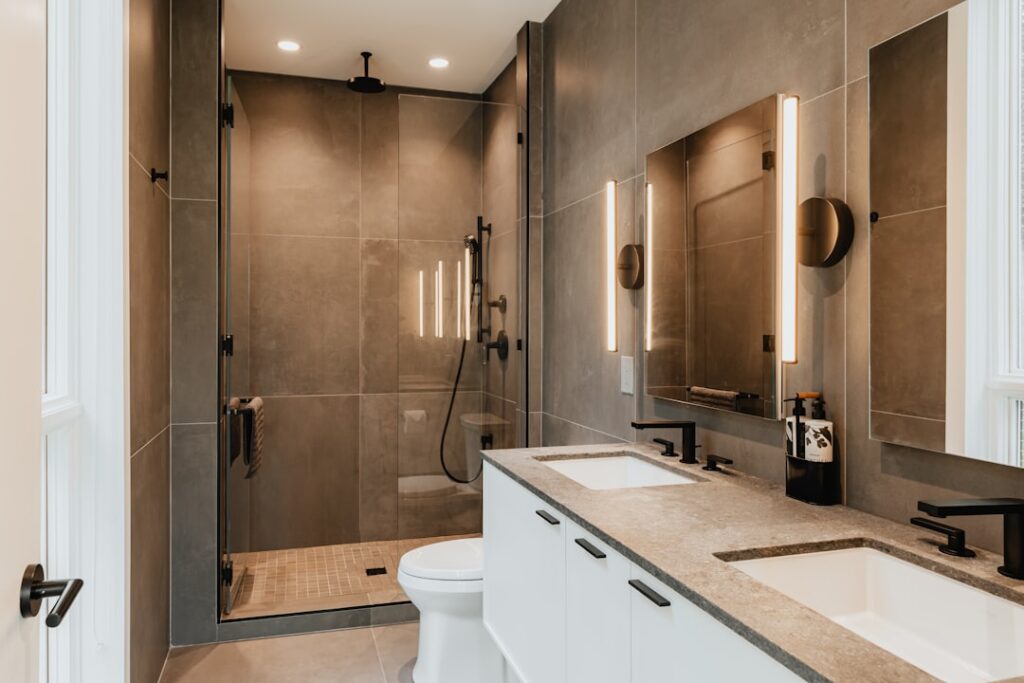
The normal shower curtain size for a standard American bathtub is 72 inches wide by 72 inches long, a near-universal square that fits the overwhelming majority of tub-shower combinations sold in the United States. That single measurement covers most homes, but bathrooms come in many shapes, and choosing a curtain that is too short, too narrow, or the wrong style for your stall leads to water on the floor and a cramped look. This guide walks through every common size, how to measure your own space, and how to pick the right liner so your bathroom stays dry and looks finished.
Part of our Bathroom Remodeling & Flooring guide — explore the full guide →
- The Standard 72 by 72 Inch Size
- Common Shower Curtain Sizes at a Glance
- Curtain Versus Liner Dimensions
- How to Measure Your Shower or Tub
- Choosing the Right Size for Your Bathroom Type
- Tall Ceilings and the Design Trick of Raising the Rod
- Materials and Weight
- Common Sizing Mistakes to Avoid
- The Bottom Line
The Standard 72 by 72 Inch Size
For a typical alcove tub that runs about 60 inches long, the 72 by 72 inch curtain is the default for good reason. The 72 inch width provides enough fabric to gather slightly and overlap the ends of the tub without bunching excessively. The 72 inch height clears a standard rod, which usually sits 75 to 77 inches above the floor, while leaving the bottom hem a few inches above the tub edge so it does not sit in standing water and grow mildew. If you walk into a home-improvement store and grab a curtain off the shelf without checking, it will almost always be this size.
Common Shower Curtain Sizes at a Glance
While 72 by 72 is the workhorse, several other sizes exist to fit different layouts. Knowing the standard options helps you shop with confidence:
- Standard: 72 x 72 inches. The default for most tub-shower combos.
- Stall: 54 x 78 inches. Narrower for compact shower stalls and small enclosures, with extra length to reach a lower rod or floor.
- Extra-long (tall): 72 x 84 inches. For high ceilings, raised rods, or a more dramatic floor-to-rod look.
- Extra-wide: 108 x 72 inches. For double or oversized tubs and walk-in showers that span a long opening.
- Extra-long and wide: 96 x 96 inches. For large custom showers and clawfoot tubs that need wrap-around coverage.
Curtain Versus Liner Dimensions
People often confuse the decorative outer curtain with the waterproof liner that hangs inside the tub. They are usually sold at similar sizes, but the liner does the real work of keeping water contained. A liner is typically the same 72 by 72 inches as a standard curtain, though many liners are cut slightly shorter, around 70 or 71 inches long, so the bottom hem stays just inside the tub and does not pool water on the rim. The outer curtain can hang a touch longer for looks because it lives outside the tub and stays dry. When you buy both, make sure the grommet spacing matches so the hooks line up cleanly.
How to Measure Your Shower or Tub
Before you buy, take three quick measurements so you do not guess wrong:
- Width of the opening. Measure the full length of the rod or the span the curtain must cover, from one end to the other. Add a few inches so the curtain has fabric to gather and seal at the edges rather than stretching flat.
- Height from rod to floor or tub. Measure from where the rod sits down to the tub edge for a liner, and to the floor or just above it for a decorative curtain. Subtract a couple of inches so the hem does not drag.
- Account for the hooks. Remember that rings or hooks add roughly 2 to 4 inches between the rod and the top of the curtain, which effectively lowers the hem. Factor that drop into your height number.
A simple rule: the finished hem should land about 2 to 3 inches below the inside rim of the tub for a liner, which keeps water inside without letting fabric sit in puddles.
Choosing the Right Size for Your Bathroom Type
Match the curtain to your specific setup rather than defaulting to the standard:
- Standard alcove tub. A 72 by 72 inch curtain and a 72 by 70 or 72 inch liner is the safe choice.
- Corner or neo-angle shower. These often need curved or L-shaped rods and sometimes two curtains. Measure each run separately.
- Walk-in or doorless shower. Extra-wide curtains of 108 inches help cover a long opening and reduce splash escape.
- Clawfoot tub. Because these tubs sit in the open, you need a wrap-around oval rod and very wide curtains, sometimes a pair totaling 180 inches or more, to enclose the full perimeter.
- High ceilings. Raising the rod and using an 84 inch tall curtain draws the eye up and makes a small bathroom feel taller.
Tall Ceilings and the Design Trick of Raising the Rod
A popular decorating move is to mount the shower rod higher than standard, sometimes near the ceiling, and pair it with an extra-long 84 inch curtain. Just as raising drapery rods makes windows feel grander, a taller shower curtain elongates the wall and makes a compact bathroom feel more open and luxurious. If you try this, confirm the liner still ends just inside the tub. You may need a separate, shorter liner under a tall decorative curtain so water control is not sacrificed for looks.
Materials and Weight
Size is only part of the decision. The fabric affects how the curtain hangs and seals. Heavier cotton and polyester blends drape better and resist billowing when the shower runs, a phenomenon caused by warm air rising inside the enclosure. Vinyl and PEVA liners are inexpensive and fully waterproof but can cling and sway. A weighted hem or magnets along the bottom of the liner help it stay against the tub. If your liner constantly blows inward, a slightly wider curtain plus a weighted hem usually solves it.
Common Sizing Mistakes to Avoid
A few errors come up again and again:
- Buying a curtain that is too narrow. A flat, stretched curtain leaks at the edges. Always allow extra width to gather.
- Letting the liner pool in the tub. A hem that sits in standing water breeds mildew. Keep it a couple inches above the waterline.
- Ignoring hook drop. Forgetting that hooks lower the curtain leaves the hem too high and lets water escape below.
- Using a standard curtain on a stall. A 72 inch curtain crammed into a 36 inch stall bunches badly. Use a 54 inch stall curtain instead.
The Bottom Line
For most homeowners, the normal shower curtain size of 72 by 72 inches paired with a matching liner is exactly right and requires no special shopping. The moment your bathroom departs from the standard alcove tub, whether you have a stall, a walk-in, high ceilings, or a clawfoot tub, take five minutes to measure the width, the rod height, and the hook drop before you buy. Getting those numbers right means a curtain that hangs cleanly, keeps water where it belongs, and finishes the room. When a bathroom remodel calls for new flooring to match a refreshed shower, D and G Flooring can help you pick water-resistant options that hold up to the splashes a curtain misses.