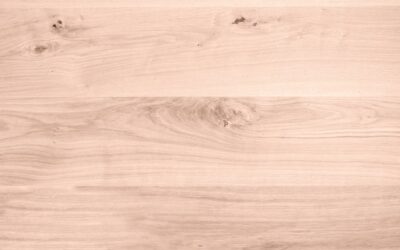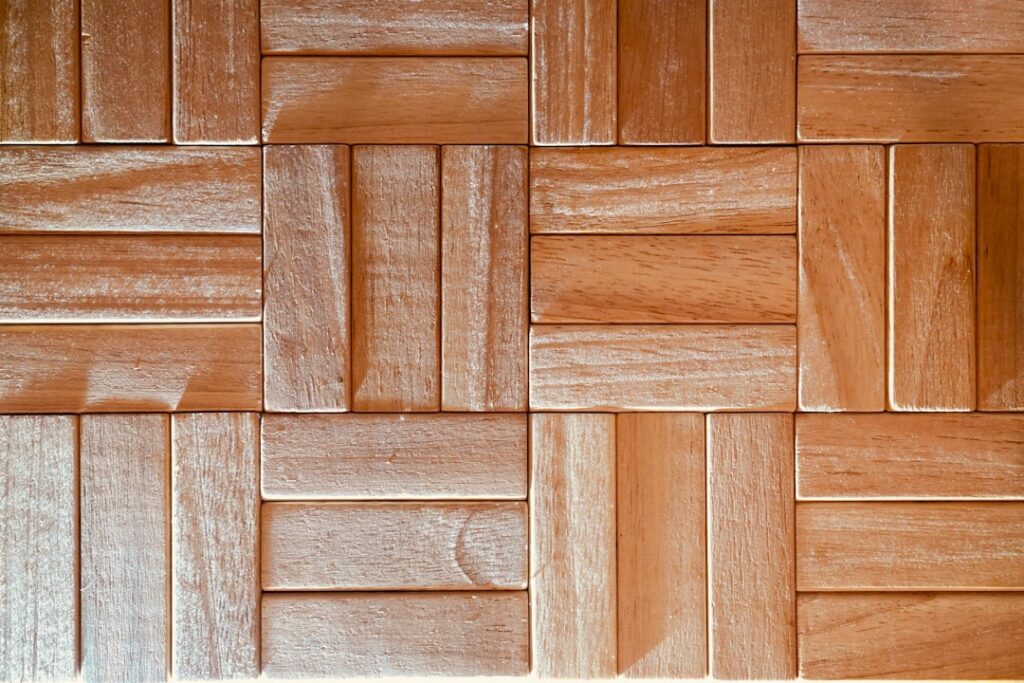
Oak has been the most popular hardwood flooring species in North America for well over a century, and its dominance shows no signs of fading. Its combination of durability, workability, grain character, and wide availability makes it the benchmark against which all other flooring woods are measured.
This guide dives deep into everything you need to know about oak wooden flooring — from the critical differences between red and white oak to grading systems, plank widths, finish options, solid vs engineered construction, and current pricing.
- Why Oak Is the Most Popular Flooring Wood
- Red Oak vs White Oak: The Key Differences
- Understanding Oak Flooring Grades
- Plank Widths and Their Visual Impact
- Finish Options for Oak Flooring
- Solid vs Engineered Oak Flooring
- Pricing Guide
- Maintenance Tips for Oak Flooring
- Frequently Asked Questions
- Final Thoughts
Why Oak Is the Most Popular Flooring Wood
Oak’s popularity isn’t accidental. It earned its position through a combination of practical and aesthetic qualities that few other species can match.
- Hardness: Red oak scores 1290 and white oak scores 1360 on the Janka hardness scale — hard enough for heavy residential and moderate commercial traffic
- Grain character: Oak’s prominent, flowing grain pattern adds visual depth and warmth that smooth-grained species like maple can’t replicate
- Stainability: Oak accepts stains exceptionally well, from light natural finishes to deep espresso tones, giving designers enormous flexibility
- Availability: As the most abundant hardwood in North American forests, oak is widely available and consistently priced
- Proven longevity: Oak floors in historic homes regularly last 100+ years, and homeowners can see that durability in real-world examples everywhere
Red Oak vs White Oak: The Key Differences
Although both species are oak, red and white oak differ in appearance, performance, and suitability for different applications. Understanding these differences is essential for making the right choice.
Appearance
Red oak has a warm, pinkish-red undertone with a prominent, sweeping grain pattern. The grain lines are bold and create strong visual movement across the floor. Ray flecks (the small medullary rays visible in quartersawn cuts) are shorter and less pronounced than in white oak.
White oak has a cooler, more neutral brown tone with subtle green and gray undertones. Its grain pattern is slightly tighter and more uniform than red oak. White oak’s ray flecks are longer and more visible, especially in quartersawn boards, creating the distinctive “tiger stripe” or “flake” figure prized by designers.
Hardness and Durability
White oak is slightly harder than red oak — 1360 vs 1290 on the Janka scale. In practical terms, this 5% difference is barely noticeable in day-to-day use. Both species handle residential foot traffic, pets, and furniture without issue.
Water Resistance
This is where the species diverge significantly. White oak has a closed cellular structure (tyloses) that makes it naturally resistant to water penetration. This is why white oak is used in boat building, wine barrels, and outdoor furniture. Red oak, with its open pores, absorbs water readily and is much more susceptible to moisture damage.
For kitchens, bathrooms, basements, and any area with moisture exposure, white oak is the clearly superior choice. For bedrooms, living rooms, and dry spaces, either species works well.
Staining Characteristics
Red oak’s open pores absorb stain aggressively, which can make achieving a uniform color challenging — especially with dark stains, where the grain pattern becomes exaggerated. White oak’s tighter grain accepts stain more evenly, producing a smoother, more contemporary look.
The current design trend strongly favors white oak for this reason. Gray, matte, and natural finishes look cleaner and more refined on white oak, while red oak’s bold grain can fight against these subtle color treatments.
Comparison Table
| Feature | Red Oak | White Oak |
|---|---|---|
| Janka hardness | 1290 | 1360 |
| Color tone | Warm pink-red | Cool neutral brown |
| Grain pattern | Bold, sweeping | Tighter, more uniform |
| Water resistance | Low (open pores) | High (closed pores) |
| Stain acceptance | Aggressive, uneven on dark stains | Even, smooth |
| Current trend status | Classic/traditional | Modern/in demand |
| Price (relative) | Lower | Higher |
Understanding Oak Flooring Grades
Oak hardwood flooring is sorted into grades based on appearance characteristics — primarily color variation, grain pattern, and the presence of knots, mineral streaks, and other natural features. Grading does not indicate quality or durability — it describes visual appearance only.
Select and Better (First Grade)
The highest appearance grade. Boards have a uniform color with minimal variation, no knots, and few if any mineral streaks. Select-grade oak produces a clean, refined floor with consistent visual tone. It’s the most expensive grade and typically used in formal rooms and upscale installations.
Number 1 Common (#1 Common)
Moderate color variation with small, tight knots and occasional mineral streaks. Number 1 Common is the most popular grade for residential installations because it strikes a balance between visual consistency and natural character. It costs less than Select and adds personality without looking rustic.
Number 2 Common (#2 Common)
Significant color variation, larger knots (some open), mineral streaks, and worm tracks. Number 2 Common — sometimes called “rustic” or “cabin grade” — delivers maximum natural character. It’s popular in farmhouse-style homes, mountain retreats, and spaces where a rugged, authentic look is desired.
Character or Utility Grade
The lowest appearance grade includes boards with large open knots, heavy color variation, sapwood, and other prominent natural features. Some boards may include filled knots or edge defects. Character grade is the most affordable and creates floors with a raw, unfiltered natural aesthetic.
Plank Widths and Their Visual Impact
The width of your oak planks significantly affects the floor’s overall aesthetic.
Strip Flooring (2-1/4 Inches)
The traditional width for American hardwood floors. Strip flooring creates a classic, formal look with many joints and a strong linear pattern. It’s less popular today but remains appropriate for historic homes, traditional interiors, and smaller rooms where narrower boards feel proportional.
Standard Plank (3–5 Inches)
The most popular width range for contemporary oak flooring. Standard planks show more of each board’s grain character than strip flooring while still maintaining a refined, proportional look in most room sizes.
Wide Plank (5–8 Inches)
Wide-plank oak has surged in popularity, driven by the trend toward open, airy interiors. Fewer joints create a calmer visual effect, and the wider surface area showcases more of each board’s unique grain pattern. White oak in 7-inch widths with matte finishes is currently the most sought-after combination in residential flooring.
Extra-Wide Plank (8–12+ Inches)
Historically reserved for Colonial-era farmhouses (milled from old-growth timber), extra-wide planks are now available in engineered wood flooring construction that provides the dimensional stability needed for boards this wide. Solid wood planks wider than 8 inches are prone to significant expansion and contraction and require careful humidity management.
Finish Options for Oak Flooring
The finish you choose affects appearance, maintenance, durability, and feel underfoot.
Polyurethane (Water-Based)
The most popular finish for residential oak flooring. Water-based polyurethane dries clear without adding amber tones, making it ideal for preserving the natural color of white oak or the light tones of unfinished wood. It creates a durable film that protects against scratches and spills. Available in matte, satin, semi-gloss, and gloss sheens.
Polyurethane (Oil-Based)
Oil-based poly adds a warm, amber tone that deepens over time. It produces a thicker film per coat and is slightly more durable than water-based versions. However, it yellows noticeably on light-colored floors and takes much longer to dry (24+ hours between coats vs 2–4 hours for water-based).
Hardwax Oil
European-style hardwax oils (Rubio Monocoat, Osmo, Pallmann) penetrate into the wood rather than sitting on top as a film. This creates a matte, natural look that highlights the wood’s texture and grain. Scratches are less visible because there’s no film to scratch through. Maintenance is done by spot-treating worn areas rather than refinishing the entire floor.
Pre-Finished Factory Coatings
Pre-finished oak flooring arrives with UV-cured aluminum oxide coatings applied in the factory. These finishes are extremely hard and durable — often warranting 25+ years of wear resistance. The trade-off is micro-bevels between boards (necessary because factory-finished boards can’t be sanded flat after installation) that can collect dust and debris.
Wire-Brushed and Distressed Finishes
These textured finishes add a tactile, lived-in quality to oak flooring. Wire-brushing removes the softer grain material, leaving the hard grain ridges raised. Distressing adds dents, scrapes, and character marks. Both techniques are applied before the final finish coat and help hide wear over time — a practical advantage for active households.
Solid vs Engineered Oak Flooring
Solid Oak
Milled from a single piece of oak, solid boards are typically 3/4 inch thick. They can be sanded and refinished 5–10 times over a lifespan of 75–100+ years. Solid oak must be nailed or stapled to a wood subfloor and is not recommended for below-grade installation or over concrete.
Engineered Oak
Engineered oak features a real oak veneer (2–6mm thick) bonded to a plywood or HDF core. It’s dimensionally stable, compatible with glue-down, floating, and nail-down installations, and can be installed over concrete, over radiant heat, and below grade. Engineered oak with a 4mm+ veneer can be refinished 1–2 times.
When to Choose Each
- Choose solid oak for: Above-grade rooms with wood subfloors, historic renovations requiring authenticity, homeowners who value the ability to refinish multiple times over decades
- Choose engineered oak for: Concrete subfloors, basements, kitchens, radiant heat systems, wide-plank installations (7+ inches), and any situation where dimensional stability is important
Pricing Guide
Material Costs Per Square Foot
| Product Type | Price Range |
|---|---|
| Solid red oak (2-1/4″ strip, #1 Common) | $3.50–$5.50 |
| Solid red oak (3-1/4″ plank, Select) | $5.00–$7.50 |
| Solid white oak (3-1/4″–5″ plank) | $5.50–$9.00 |
| Solid white oak (wide plank, 6″–8″) | $7.00–$12.00 |
| Engineered red oak (3″–5″) | $3.00–$6.00 |
| Engineered white oak (5″–7″) | $4.50–$9.00 |
| Engineered white oak (wide plank, 7″+) | $6.00–$12.00 |
| European white oak (premium import) | $8.00–$15.00+ |
Installation Costs Per Square Foot
- Nail-down (solid oak on wood subfloor): $3.00–$5.00
- Glue-down (engineered on concrete): $3.00–$5.00
- Floating (engineered with click-lock): $2.00–$3.50
- Sand and finish (site-finished): $2.50–$4.50
Total Installed Cost
For a typical residential installation, expect total installed costs in these ranges:
- Solid red oak (basic): $7.00–$11.00 per square foot
- Solid white oak (mid-range): $9.00–$14.00 per square foot
- Engineered white oak (premium): $8.00–$16.00 per square foot
- Wide-plank European white oak (luxury): $14.00–$25.00+ per square foot
Maintenance Tips for Oak Flooring
- Sweep or vacuum daily with a soft-bristle attachment to remove grit that can scratch the finish
- Damp mop weekly with a hardwood-specific cleaner — never use excessive water
- Place felt pads under all furniture legs and replace them when they wear down
- Use entry mats at exterior doors to trap grit and moisture before they reach the oak floor
- Maintain humidity between 35–55% to prevent gaps in winter and swelling in summer
- Recoat polyurethane finishes every 3–7 years depending on traffic
- Refinish completely when the finish is worn through to bare wood — typically every 10–20 years
Frequently Asked Questions
Is white oak worth the extra cost over red oak?
For most applications, yes. White oak’s water resistance, smoother staining, neutral color tone, and stronger alignment with current design trends justify the 15–30% price premium. If you’re installing in a moisture-prone area or want a gray or cool-toned finish, white oak is the only logical choice.
Can oak flooring handle dogs?
Oak is reasonably dog-friendly, especially white oak. Regular nail trims help significantly. Matte and wire-brushed finishes hide scratches better than glossy surfaces. For added protection, apply a hardwax oil finish that can be spot-repaired rather than a polyurethane film that shows every scratch.
Does oak flooring increase home value?
Consistently and significantly. Real estate data shows that hardwood floors — particularly oak — increase home sale prices and reduce time on market. Oak flooring is one of the most universally appealing home features among buyers.
How do I tell if my existing floor is red or white oak?
Look at the end grain of a removed board or an exposed edge. Red oak has large, open pores visible to the naked eye. White oak pores are filled with tyloses and appear closed or plugged. Color-wise, red oak has pink/salmon undertones while white oak leans brown/tan.
What is the most popular oak flooring right now?
Wide-plank (6–8 inch) white oak with a matte or natural hardwax oil finish in a light-to-medium brown tone is the dominant trend in residential flooring. Wire-brushed texture and #1 Common grade for moderate character are the most popular specifications.
Final Thoughts
Oak wooden flooring is the gold standard for a reason. It’s beautiful, durable, versatile, and available at every price point from basic strip flooring to luxury wide-plank European imports. Whether you’re choosing between red and white oak, debating solid vs engineered, or selecting the perfect finish, this guide gives you the knowledge to make a confident decision that you’ll enjoy underfoot for decades to come.
Prefer to explore on your own?
See how new flooring looks in your actual room in seconds — free, no signup.
Try the free Floor Studio →