Bare concrete patios get hot, slippery, and uninviting, and exposed boat decks are no kinder underfoot. Outdoor carpet flooring solves both problems with weatherproof synthetic carpet engineered to survive sun, rain, and constant foot traffic without rotting, fading, or growing mold. From porches and patios to pool surrounds and boat decks, it adds comfort, traction, and a finished look to surfaces that would otherwise be cold and bare. Choosing the right type — and installing it so water can escape — is the key to a floor that lasts.
Part of our Windows & Doors guide — explore the full guide →
I have laid outdoor carpet on patios and dock surfaces alike, and the products that succeed all share a few traits. Here is what to look for and what to avoid.
What Makes Carpet “Outdoor” Rated
Indoor carpet uses natural or moisture-sensitive fibers that rot, mildew, and fade outside. Outdoor carpet is built differently. It uses synthetic fibers — typically polypropylene (olefin) — that do not absorb water, paired with UV-stabilized dyes that resist fading and a permeable or solution-dyed backing that lets water drain through rather than pooling. The result is a surface that handles rain, sun, and humidity for years.
Marine-grade carpet takes this further with extra resistance to salt, mildew, and constant moisture, making it the standard for boats and docks.
Once your patio flooring is in place, think about how you’ll use the space. A gazebo adds shade and structure, while a good outdoor furniture set turns it into a spot you’ll actually want to hang out in. A deck box is also worth considering if you need somewhere to stash cushions and outdoor gear.
We may earn a commission when you purchase through our links.
Types of Outdoor Carpet
Marine-Grade Carpet
Built for boats, docks, and pool decks, marine carpet resists salt water, mildew, and intense UV exposure. It usually has a smooth, low pile and a permeable backing that dries fast. Expect $2 to $6 per square foot.
Outdoor Patio Carpet
Designed for porches, patios, and balconies, this looped or short-pile synthetic carpet adds comfort and a residential feel to hard surfaces. It comes in rolls or peel-and-stick tiles and runs $1 to $4 per square foot.
Artificial Turf
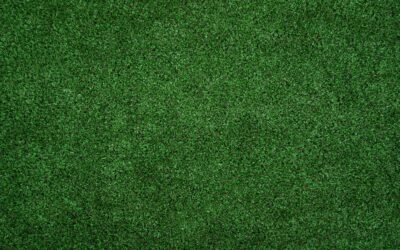
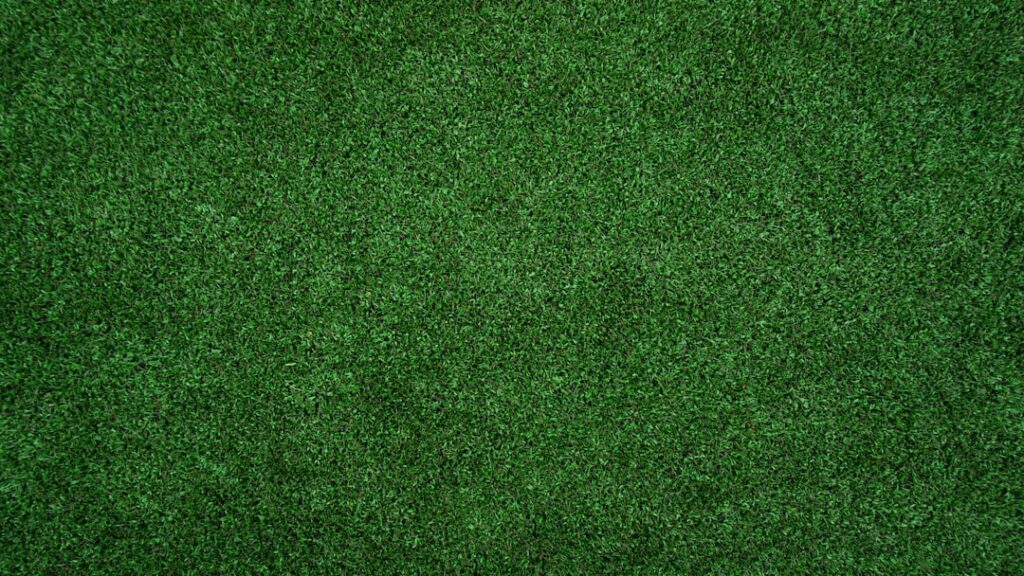
Technically a carpet-style product, synthetic turf brings a soft, grass-like surface to patios, rooftops, and play areas with excellent drainage and UV resistance. It costs more, generally $5 to $15 per square foot.
Pros of Outdoor Carpet Flooring
- Weatherproof — synthetic fibers resist water, rot, mildew, and fading.
- Traction — provides safer footing on wet patios, decks, and pool surrounds.
- Comfort — softer and cooler underfoot than bare concrete or composite decking.
- Affordable — patio-grade options start around $1 per square foot.
- Easy install — rolls, tiles, and peel-and-stick formats suit DIYers.
- Hides flaws — covers cracked, stained, or dated concrete instantly.
The Cons to Consider
Even weatherproof carpet has limits. Trapped moisture is the biggest enemy — if water cannot drain or evaporate from beneath the carpet, mildew and odor develop, so proper drainage and a permeable backing are essential. Over many years, even UV-stabilized fibers can fade in relentless sun, and the carpet will eventually need replacing.
Outdoor carpet also collects dirt, leaves, and debris that must be swept and rinsed regularly, and pet messes can be harder to fully clean than off a hard surface. Cheaper products can feel rough or flat, and glued-down installations are harder to remove later. It is also not a structural surface — it covers a deck or slab but does nothing for the substrate’s condition underneath.
Where It Works Best
Patios, porches, and balconies are the classic residential applications, transforming bare concrete into a comfortable outdoor room. Pool decks benefit from the traction and cooler surface temperature. Boats and docks rely on marine-grade carpet for grip and salt resistance. Rooftop terraces, sunrooms, and even commercial entryways use it for comfort and a clean look. Artificial turf shines on play areas and pet runs where a grass feel is the goal.
Cost Breakdown
Material runs $1 to $6 per square foot for standard outdoor and marine carpet, with artificial turf at $5 to $15. A 200 sq ft patio in mid-grade outdoor carpet costs roughly $200 to $800 in materials, often installed DIY with adhesive or peel-and-stick tiles. Professional installation adds $1 to $3 per square foot. Turf projects cost more because of the infill and base prep they require.
Installation Tips
- Clean and dry the surface thoroughly — adhesive will not bond to dirt or damp concrete.
- Ensure drainage — use a permeable-backed product and confirm water can escape, not pool, beneath it.
- Use outdoor-rated adhesive formulated for moisture and temperature swings.
- Cut with a sharp utility knife and seal cut edges to prevent fraying.
- Lift periodically in shaded or wet areas to let the substrate dry and prevent mildew.
Cleaning and Maintenance
Keeping outdoor carpet looking good is mostly about staying ahead of debris. Sweep or use a leaf blower regularly to remove leaves, dirt, and organic matter that can stain or trap moisture. Hose the carpet down periodically, and for ground-in dirt, scrub with a soft brush and a mild detergent before rinsing thoroughly. Because the fibers do not absorb water, the surface dries quickly once it can drain. For mildew spots, a diluted oxygen-based cleaner or a manufacturer-recommended solution clears them without harming the synthetic fibers.
Pet messes should be rinsed promptly and treated with an enzymatic cleaner to remove odor. In shaded, damp areas, periodically lift the carpet to let the substrate dry fully, which is the single best way to prevent mildew over the long term.
How Long Outdoor Carpet Lasts
Lifespan depends heavily on sun exposure and quality. A mid-grade outdoor carpet in a partly shaded location can last 8 to 15 years, while the same product in relentless full sun may fade and break down sooner. Marine-grade carpet, built for the harshest salt and UV conditions, tends to hold up best. Artificial turf can last 15 to 20 years with proper drainage and infill. The biggest factors in longevity are UV-stabilized fibers, a permeable backing that prevents trapped moisture, and keeping the surface clean so grit and organic matter do not accelerate wear. Buy the best UV resistance you can afford if the area gets strong, direct sun.
Is Outdoor Carpet Flooring Right for You?
Outdoor carpet flooring is an affordable, comfortable way to upgrade patios, porches, pool decks, and boats while adding traction and covering tired concrete. The synthetic, UV- and mildew-resistant construction makes it genuinely weatherproof — as long as you choose a permeable-backed product and install it where water can drain freely. Plan on regular sweeping and occasional rinsing, and expect to replace it eventually as sun and traffic take their toll. For a budget-friendly, foot-friendly outdoor surface, it is a strong choice; for boats and docks specifically, step up to marine-grade carpet for the best longevity in harsh, salty conditions.