A weathered wood or composite deck can look brand new with the right outdoor carpet, often for less than $300 for a typical 12×16 foot space. Outdoor carpet for deck applications has improved enormously in the past decade, with new materials that resist fading, mildew, and water damage far better than the indoor-outdoor carpet your parents bought. The catch is choosing the right material for your specific climate and use pattern, since the wrong choice can trap moisture against your deck and accelerate the rot you were trying to hide. This guide covers what works, what to skip, and how to install outdoor carpet that lasts five years rather than five months.
Part of our Decks & Outdoor guide — explore the full guide →
Outdoor Carpet Material Options
Several materials suit deck applications, each with distinct performance characteristics:
- Polypropylene (olefin): Most common, UV-resistant, mildew-resistant, $1.50 to $4 per sq ft
- Polyester: Soft underfoot, decent UV resistance, moderate price, $2 to $5 per sq ft
- Nylon outdoor: Most durable, highest cost, $4 to $8 per sq ft
- Marine carpet: Built for boat applications, extremely water resistant, $3 to $7 per sq ft
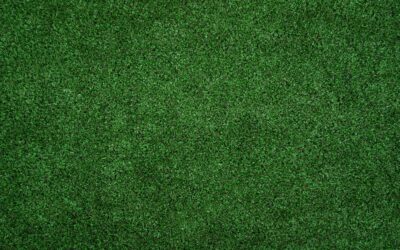
- Artificial turf: Looks like grass, drains well, distinctive appearance, $2 to $5 per sq ft
- Recycled rubber tiles: Interlocking, drains exceptionally, $4 to $10 per sq ft
Polypropylene dominates the residential outdoor carpet market because it balances cost, durability, and appearance. The material does not absorb water, dries quickly, and resists fading from UV exposure. Premium polypropylene products carry warranties of 5 to 7 years.
Once your patio flooring is in place, think about how you’ll use the space. A gazebo adds shade and structure, while a good outdoor furniture set turns it into a spot you’ll actually want to hang out in. A deck box is also worth considering if you need somewhere to stash cushions and outdoor gear.
We may earn a commission when you purchase through our links.
Best Outdoor Carpet Brands
Several brands consistently produce reliable outdoor carpet for deck applications. Marideck Marine Carpet specializes in extreme water resistance and works exceptionally well for decks near pools or hot tubs. The 16-ounce weight handles foot traffic without showing wear for years.
Berber outdoor carpets from Foss Floors offer good value at lower price points. The looped construction hides foot traffic patterns and resists matting better than cut pile alternatives. Foss makes outdoor versions of their popular indoor patterns specifically engineered for deck use.
For high-end installations, Lonseal’s Lonwood Marine series performs exceptionally well in demanding conditions. The closed-cell construction prevents water from penetrating to the substrate. Cost runs higher but the lifespan justifies the investment for permanent installations.
Climate Considerations
The right outdoor carpet for your area depends on local climate conditions. In hot dry climates, UV resistance matters most. Look for products specifically rated for sun exposure with at least a 5-year fade warranty. Polypropylene generally outperforms polyester in heat.
In humid climates, mildew resistance becomes critical. Choose products with antimicrobial treatments built into the fibers. Solution-dyed carpets resist mildew better than topical-dyed alternatives. Avoid any product without explicit mildew-resistance specifications.
In cold climates with freeze-thaw cycles, drainage matters most. Carpet that holds water freezes and damages itself and the deck underneath. Consider modular tile systems that drain through gaps, or marine-grade carpet specifically rated for freeze cycles.
Installation Methods Compared
Three main installation methods work for deck carpeting:
- Loose-lay: Just place the carpet on the deck without adhesive, suitable for small areas
- Glue-down: Use outdoor adhesive to bond carpet to the deck, most permanent option
- Tape installation: Use double-sided outdoor carpet tape, mid-permanence option
- Stretched installation: Anchor edges with hidden tackless strips, like indoor carpet
- Modular tile: Interlocking tiles snap together without adhesive
For most homeowners, glue-down installation produces the best results on permanent decks. The bond prevents wind from lifting edges and water from infiltrating beneath. Use a marine-grade outdoor adhesive like Henry 663 or Roberts 6700 specifically rated for outdoor exposure.
Step-by-Step Installation Process
Successful installation begins with proper preparation. Sweep and pressure-wash the deck thoroughly. Allow at least 48 hours of dry weather before installation. Measure the deck carefully and add 6 inches in each direction for trimming.
Cut the carpet to size using a sharp utility knife. Make cuts on a hard flat surface with the carpet face-up. A straight edge guides the knife for precise cuts. Allow the carpet to relax flat for 24 hours before final placement, especially in cold weather when material can be stiff.
Apply adhesive in sections rather than the entire deck at once. Work in 4 by 6 foot sections, spreading adhesive with a 1/8-inch notched trowel, then placing the carpet immediately. Press firmly across the entire surface to ensure good bonding. A flooring roller weighing 75 to 100 pounds produces the best long-term results.
Trim edges flush to the deck after installation using a sharp utility knife held at a slight angle. Apply a bead of outdoor caulk along edges to prevent water infiltration. The whole installation typically takes 4 to 8 hours for a standard deck.
Drainage Issues and Moisture Problems
Solid carpet on a wood deck can trap moisture against the deck boards, accelerating rot. The risk is highest in shaded, humid areas where the deck stays damp for extended periods. Several strategies address this concern.
Choose carpet with backing designed for outdoor use. Marine carpets and dedicated outdoor products use pervious backing that allows some moisture transmission. Standard indoor carpet backings prevent moisture from escaping and create rot conditions.
Consider modular tile or grid-based products for shaded decks. Products like Greatmats Outdoor Grass Tiles or NewTechWood deck tiles have built-in drainage that prevents moisture buildup. They cost more than rolled carpet but eliminate the moisture concern entirely.
If using rolled carpet on a permanent installation, plan to remove it every 2 to 3 years to inspect the deck underneath. Sand and refinish any spots showing wear. This maintenance preserves both the deck and the investment in carpeting.
Maintenance and Cleaning
Outdoor carpet requires regular maintenance to last its rated lifespan. Sweep weekly to remove debris that abrades fibers. Hose off monthly to remove embedded dirt. Once or twice a year, deep clean with mild outdoor carpet cleaner to remove buildup.
Address spills immediately. Even outdoor carpet can develop stains from spilled food, drinks, or motor oil. Most spills wipe up easily if addressed within an hour. Set-in stains may require specialized cleaners or replacement of the affected section.
For mildew prevention in humid climates, spray monthly with a mild bleach solution (1 cup per gallon of water) or commercial mildew preventer. Apply with a garden sprayer for even coverage. Allow to dry naturally rather than rinsing, since the residual product continues working between treatments.
When to Replace Outdoor Carpet
Outdoor carpet shows several signs when replacement becomes necessary. Visible fading or color loss across most of the surface indicates UV degradation has progressed beyond the warranty period. Brittleness or fiber breakdown means the material has lost its structural integrity.
Persistent mildew odor that returns after cleaning indicates the bacteria have established colonies in the backing or fibers that cleaning cannot eliminate. At this stage, replacement is more practical than continued cleaning attempts.
Visible damage to the deck underneath, such as soft spots or discoloration, requires immediate carpet removal regardless of carpet condition. Address the deck damage and consider modular tile systems for the replacement to prevent future moisture issues.
Frequently Asked Questions
Will outdoor carpet damage my deck?
Solid carpet can trap moisture and accelerate rot if installed incorrectly or in shaded humid areas. Choose products with breathable backing, maintain proper drainage, and inspect the deck periodically. Modular tile systems eliminate the moisture risk entirely.
How long does outdoor carpet last on a deck?
Quality outdoor carpet lasts 5 to 10 years with proper installation and maintenance. Cheap products may need replacement in 1 to 3 years. Premium marine carpets can last 10 to 15 years in moderate conditions.
What is the best outdoor carpet for full sun?
Solution-dyed polypropylene carpet handles UV exposure best. Look for products with explicit fade warranties of 5+ years and UV stabilization treatments. Foss Floors and Marideck both make products specifically rated for sun exposure.
Can I install outdoor carpet myself?
Yes, with basic tools and patience. Loose-lay and modular tile installations are completely DIY-friendly. Glued installations require more care but are within reach of most homeowners. Plan to spend a full weekend on a typical 200 sq ft deck.
How do I clean outdoor carpet on my deck?
Sweep weekly, hose off monthly, and deep clean once or twice a year. For stubborn stains, use mild detergent and a soft brush. For mildew, treat with a 1:9 bleach to water solution. Avoid pressure washing, which can damage the fibers and backing.