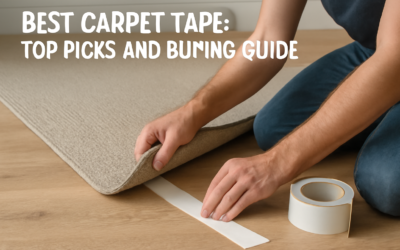
Wind, rain, and 90-degree afternoons are brutal on adhesives, so the right outdoor carpet tape is the difference between a rug that stays put all season and one that curls up after the first thunderstorm. Whether you are securing artificial turf on a deck, anchoring an outdoor rug on a concrete patio, or stopping a runner from sliding on porch steps, weatherproof double-sided tape gives you a fast, screw-free hold that survives UV, moisture, and temperature swings.
Part of our Windows & Doors guide — explore the full guide →
What Makes Outdoor Carpet Tape Different
Indoor tape uses a rubber-based adhesive that softens in heat and fails when it gets damp. Genuine outdoor tape relies on acrylic or modified-acrylic adhesive engineered to bond in a wider temperature range, typically 20°F to 120°F, and to resist water, mildew, and ultraviolet breakdown. The carrier, the material in the middle of the tape, is usually a reinforced cloth or polyethylene film that will not rot or stretch when the surface gets wet.
The result is a bond that holds through sprinkler cycles, pool splash, and monsoon-season humidity without oozing or lifting. Cheap indoor tape used outside will pill into gummy residue within weeks, so read the label and confirm it is rated for exterior use before you buy.
Once your patio flooring is in place, think about how you’ll use the space. A gazebo adds shade and structure, while a good outdoor furniture set turns it into a spot you’ll actually want to hang out in. A deck box is also worth considering if you need somewhere to stash cushions and outdoor gear.
We may earn a commission when you purchase through our links.
Key Specs to Compare Before You Buy
Not all rolls perform alike. When you compare products, weigh these four factors against your specific project rather than grabbing the cheapest option.
- Width: Common sizes are 2, 3, and 4 inches. Wider tape holds turf and large area rugs; 2-inch is fine for rug edges and stair runners.
- Adhesion rating: Look for peel-strength figures around 40 to 70 ounces per inch. Higher numbers grip harder but are tougher to remove.
- Temperature range: Verify the low end matches your winters; some acrylics stop tacking below 15°F.
- Residue profile: “Removable” or “double-coated cloth” tapes lift cleaner; permanent butyl tapes hold longest but leave residue.
Match the Tape to the Surface
Porous concrete, composite decking, and painted wood each behave differently. On rough concrete, a thicker cloth-carrier tape fills surface texture and grips better. On smooth composite or vinyl decking, a thin film tape with aggressive acrylic bonds tightest. Never apply tape to a surface that flexes or expands dramatically, like unsealed pressure-treated lumber still shedding moisture, because the bond will break as the board moves.
Top Picks for Outdoor Carpet Tape
These categories cover the vast majority of homeowner projects. Rather than chase a single brand, choose the type that fits your surface and load.
- Heavy-duty cloth tape (3 inch): The all-rounder for area rugs on patios and decks. Reinforced cloth carrier, acrylic adhesive, holds through rain. Expect $10 to $18 for a 30-foot roll.
- Turf and putting-green seaming tape: Wide 4- to 6-inch polyethylene tape built to join artificial grass sections and anchor perimeters. Runs $15 to $30 per roll.
- Clear double-sided film tape: Low-profile pick for thin outdoor rugs and runners on smooth decking where you want the tape invisible. Around $8 to $14.
- Butyl rubber flashing tape: The nuclear option for permanent installs on rooftop decks and boat carpet. Extreme hold, but plan on residue when you remove it.
If you are still deciding between taping down a rug versus a fully installed outdoor floor, browse our carpet flooring hub for a rundown of weatherproof options like solution-dyed polypropylene that tolerate direct sun and rain.
How to Apply the Tape Correctly
Surface prep drives 80 percent of your success. Adhesive cannot grip dust, pollen, or a damp slab, so slow down on this step.
- Sweep and scrub the surface, then wipe it with isopropyl alcohol to strip oils and residue. Let it dry completely.
- Confirm the surface is above 50°F if possible; warm acrylic tacks far better than cold. Avoid applying in direct rain or before dew forms overnight.
- Lay the tape along the rug perimeter and add an X or grid pattern across the middle for large rugs so the center cannot billow in wind.
- Press the tape down firmly, peel the top liner, then align and lower the carpet slowly to avoid wrinkles.
- Walk or roll the entire surface with firm pressure. Acrylic adhesives build strength over 24 to 72 hours, so avoid heavy traffic on day one.
Pro Tips for a Longer-Lasting Bond
Round the corners of your rug edges slightly, since square corners lift first. On windy sites, upgrade to a wider tape and double the perimeter coverage rather than relying on more center strips. Store leftover tape sealed in a bag out of direct sun, because heat degrades the adhesive on the roll before you ever use it. For general prep and sealing know-how that improves adhesion on decks and patios, our home improvement section walks through cleaning and priming exterior surfaces.
Removing Outdoor Carpet Tape Without Damage
When the season ends or you redecorate, patience prevents a gummy mess. Warm the tape first with a hair dryer or heat gun on low, which softens the acrylic and lets it peel in longer strips. Pull slowly at a low angle. Any residue that stays behind lifts with a citrus-based adhesive remover or plain isopropyl alcohol and a plastic scraper. Test any solvent on an inconspicuous spot of composite decking or paint first, because some removers can dull the finish.
Common Mistakes to Avoid
The most frequent failure is using indoor tape outdoors, which quits within a month. A close second is skipping surface cleaning; even invisible pollen film cuts adhesion in half. Homeowners also tend to under-tape large rugs, running a thin perimeter with no interior grid, which lets the wind get under the middle and peel everything up at once. Finally, applying tape to a cold or damp surface guarantees a weak initial bond that never fully recovers.
Tape Versus Other Anchoring Methods
Double-sided tape is not your only option, and knowing the alternatives helps you decide when tape truly is the best fit. Rug grippers and non-slip pads add friction underneath but do nothing to stop a rug from lifting in a gust, so they suit sheltered porches rather than exposed decks. Landscape stakes or turf spikes anchor artificial grass into soil or sod but cannot be used on a hard slab or wood deck. Perimeter adhesive glue creates the most permanent bond of all, yet it is messy, hard to reverse, and overkill for a seasonal rug.
Tape splits the difference: it holds far better than a gripper pad, installs in minutes without tools, and lifts cleanly when you warm it. For most patios, decks, balconies, and covered entryways, that combination of strength and reversibility is exactly why homeowners reach for it first. Reserve glue and mechanical fasteners for permanent commercial installs where you will never move the surface again.
How Long Does the Bond Last Outdoors
A quality acrylic outdoor tape typically holds a full season, roughly six to nine months, before it needs refreshing. Constant standing water, heavy freeze-thaw cycling, and blistering rooftop heat above 130°F shorten that lifespan. Inspect the edges of your rug every few weeks; if a corner starts to lift, add a fresh strip rather than waiting for the whole rug to peel. Storing rugs indoors over winter and reapplying tape each spring gives you the most reliable long-term hold.
Is Outdoor Carpet Tape the Right Choice
For most homeowners securing rugs, runners, or turf on a deck or patio, quality outdoor carpet tape is the fastest, most reversible solution, no drilling, no fasteners, no permanent marks. Reserve mechanical fasteners or full glue-down installation for large, high-traffic commercial areas or permanent turf where you never plan to lift the surface. Choose a tape rated for exterior temperatures and moisture, prep the surface properly, and reinforce large layouts, and your outdoor carpet tape will keep everything anchored and flat straight through the roughest weather your yard throws at it.